

Imagine the aroma of sizzling meats and vibrant vegetables perfectly charred to a golden brown, all thanks to the humble skewer. In a bustling commercial kitchen, skewers are not just tools; they are secret weapons that can elevate your culinary creations to new heights.
Whether you’re grilling, roasting, or even serving, mastering the art of using skewers can transform your dishes and impress your guests. Are you ready to unlock the potential of skewers in your kitchen? Dive into this guide and discover how these simple sticks can revolutionize your cooking and delight your customers.
Credit: iheartumami.com
Choosing The Right Skewers
Skewers come in different materialsand sizes. The choice depends on the type of food and cooking method.
| Type | Material | Use | Advantages |
|---|---|---|---|
| Metal Skewers | Stainless Steel, Iron | Grilling meats, vegetables | Reusable, heats quickly |
| Bamboo Skewers | Bamboo or Wood | Light grilling, delicate foods | Disposable, cheap |
| Flat Skewers | Metal | Prevents food from spinning | Better control |
| Round Skewers | Metal or Wood | General use | Easy to handle |
- Materialshould match cooking style.
- Metal is best for high heatcooking.
- Bamboo is good for one-time use.
- Choose sizebased on food quantity.
- Longer skewers fit bigger grills.
- Thin skewers cook faster but hold less food.
Preparing Skewers For Use
Wooden skewersneed soaking in water before use. This stops them from burning on the grill or in the oven. Soak skewers for at least 30 minutes. For extra protection, add a bit of salt or lemon juice to the water. This also adds a mild flavor.
Metal skewersare easy to clean and reuse. Use warm soapy water to wash them well. Dry them immediately to avoid rust. Check for any bends or damage before cooking. Bent skewers can cause uneven cooking.
Seasoning skewerscan add flavor to your food. Rub a little oil on metal skewers to prevent sticking. Wooden skewers can be brushed with garlic or herbs before cooking. This gives a tasty aroma to the grilled food.
Skewer Safety Practices
Handling hot skewersrequires using heat-resistant gloves or tools. Always hold skewers by the handle to avoid burns. Let skewers cool on a heat-safe surface before touching them with bare hands. Avoid placing hot skewers near flammable materials or wet areas to prevent accidents.
Avoiding cross-contaminationis key in a commercial kitchen. Use separate skewers for raw and cooked foods. Clean skewers thoroughly after each use with hot water and detergent. Never reuse skewers without washing to keep food safe and healthy.
Proper storagekeeps skewers clean and ready for use. Store dry skewers in a covered container to avoid dust and dirt. Keep metal skewers dry to prevent rust. Wooden skewers should be kept in a cool, dry place to avoid mold and warping.
Effective Skewering Techniques
Balancing ingredients on skewers ensures even cooking and better taste. Use similar-sized pieces for uniform heat exposure. Alternate meat, vegetables, and fruits to keep flavors balanced and colors attractive. Avoid crowding pieces to allow heat circulation.
Ensuring even cooking means turning skewers regularly during grilling or baking. This prevents burning on one side and raw spots on the other. Use a timer to check often and cook all parts evenly.
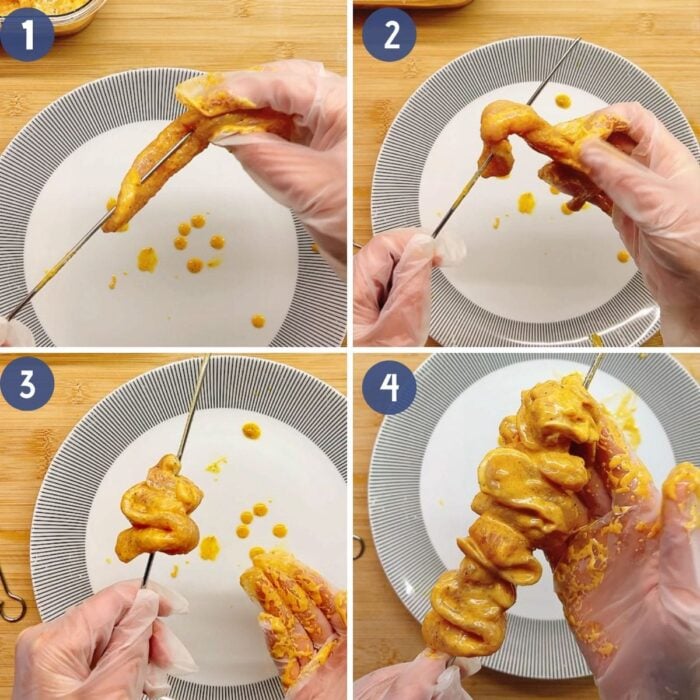
Securing food on skewers stops pieces from falling off during cooking or serving. Push food firmly onto the skewer but avoid squishing it. For small or slippery items, use double skewers or wrap with foil for extra hold.
Cooking Methods Using Skewers
Grilling with skewers is great for quick cooking. Use metal or soaked wooden skewers to avoid burning. Cut food into even pieces for uniform cooking. Turn skewers often to cook all sides well. Keep an eye on flare-ups to prevent charring.
Oven roasting skewers allows gentle cooking. Arrange skewers on a baking sheet with space between each. Set oven temperature between 350°F and 400°F for best results. Roasting keeps food juicy and tender without drying out. Check food often to avoid overcooking.
Broiling skewers uses high heat from above. Place skewers close to the broiler for fast cooking. Watch carefully to prevent burning. Turn skewers once for even browning. Broiling gives a nice crispy outside while keeping inside moist.
Creative Skewer Recipes
Appetizer Ideasinclude small bites like shrimp, cherry tomatoes, and cheese cubes. These are easy to eat and look colorful. Serve with dips like garlic sauce or spicy mayo. Skewers make appetizers neat and fun.
Main Course Variationscan have grilled chicken, beef, or pork pieces. Marinate them for flavor before grilling. Add vegetables like bell peppers and onions on the skewer. This makes a tasty and balanced meal.
Vegetarian Optionsuse tofu, mushrooms, zucchini, and cherry tomatoes. Brush with olive oil and herbs. Grill until tender for a healthy choice. Skewers cook evenly and keep veggies juicy.
Maintaining Skewers In The Kitchen
Cleaning and sanitizingskewers is essential for food safety. Use hot soapy water to wash them thoroughly. Rinse well to remove soap residue. Soak skewers in a sanitizing solution for a few minutes. Let them air dry completely before storing to avoid rust and bacteria.
Replacing worn skewerskeeps your kitchen safe and efficient. Check skewers regularly for bends, rust, or splinters. Discard any damaged skewers immediately. Stock up on new skewers to ensure you always have usable ones ready.
Organizing skewer storagehelps maintain a tidy kitchen. Store skewers in a dry, clean container or rack. Separate metal and wooden skewers to avoid cross-contamination. Keep skewers upright to prevent warping and damage.

Credit: www.epicurious.com

Credit: pinchandswirl.com
Frequently Asked Questions
What Are The Best Skewers For Commercial Kitchens?
Metal skewers are preferred in commercial kitchens due to durability and heat resistance. Bamboo skewers are also used but need soaking to avoid burning. Choose skewers based on cooking method and food type for best results.
How Do You Properly Clean Skewers After Use?
Clean skewers immediately after use to prevent food residue buildup. Use warm soapy water and a brush to scrub thoroughly. For metal skewers, sanitize to maintain hygiene. Dry completely before storage to avoid rust or mold.
Can Skewers Be Reused Safely In Commercial Kitchens?
Yes, metal skewers can be safely reused if cleaned and sanitized properly. Bamboo skewers are usually single-use due to potential splintering and hygiene concerns. Always inspect skewers for damage before reuse to ensure food safety.
How To Prevent Food From Sticking To Skewers?
Soak wooden skewers in water for at least 30 minutes before use. For metal skewers, lightly oil them to prevent sticking. This ensures easy food release and better presentation in a commercial kitchen setting.
Conclusion
Skewers add great value to any commercial kitchen. They help cook food evenly and quickly. Using them saves time and space during busy hours. Clean skewers well to keep food safe and tasty. Choose the right skewer type for different dishes.
Practice makes using skewers easier and more efficient. Small changes can improve kitchen workflow and food quality. Keep experimenting with recipes to delight your customers. Skewers are simple tools that bring many benefits. Use them wisely to boost your kitchen’s performance.