
Imagine waking up to the smell of fresh coffee while surrounded by nature. You don’t have to give up your favorite brew just because you’re camping.
Using a single-serve coffee maker on your outdoor trips is easier than you think. In this guide, you’ll discover simple steps to make great coffee wherever you are. Whether you’re a camping pro or a first-timer, this will change how you enjoy your mornings in the wild.
Keep reading to learn how to brew your perfect cup with ease and convenience.
Choosing The Right Single-serve Coffee Maker
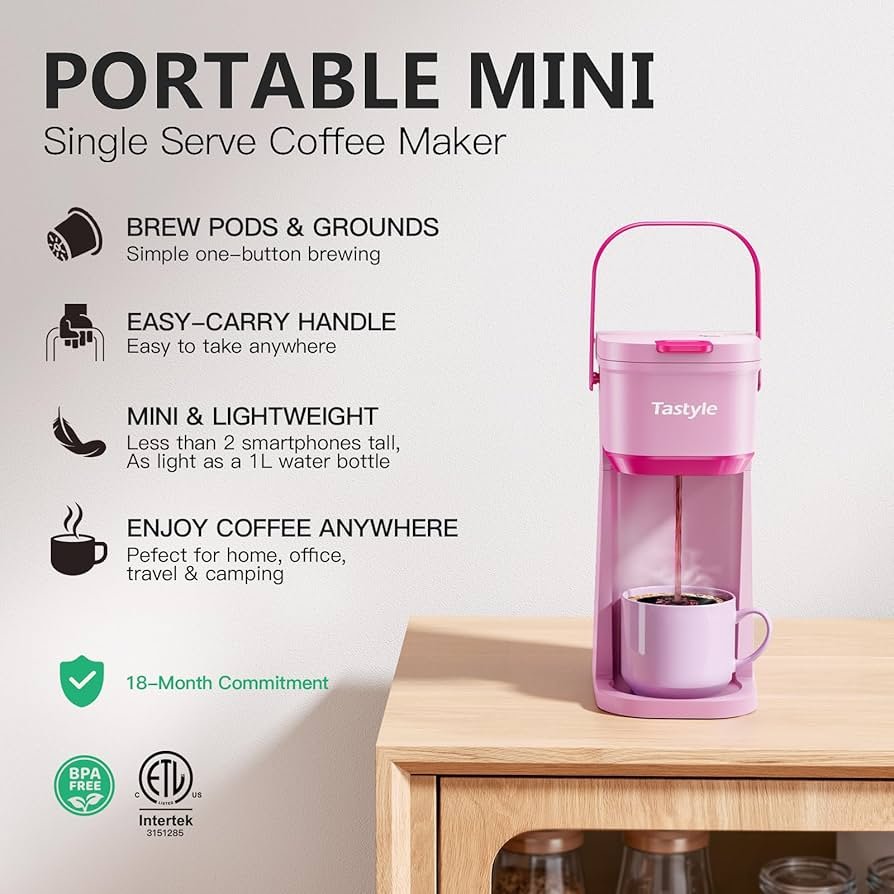
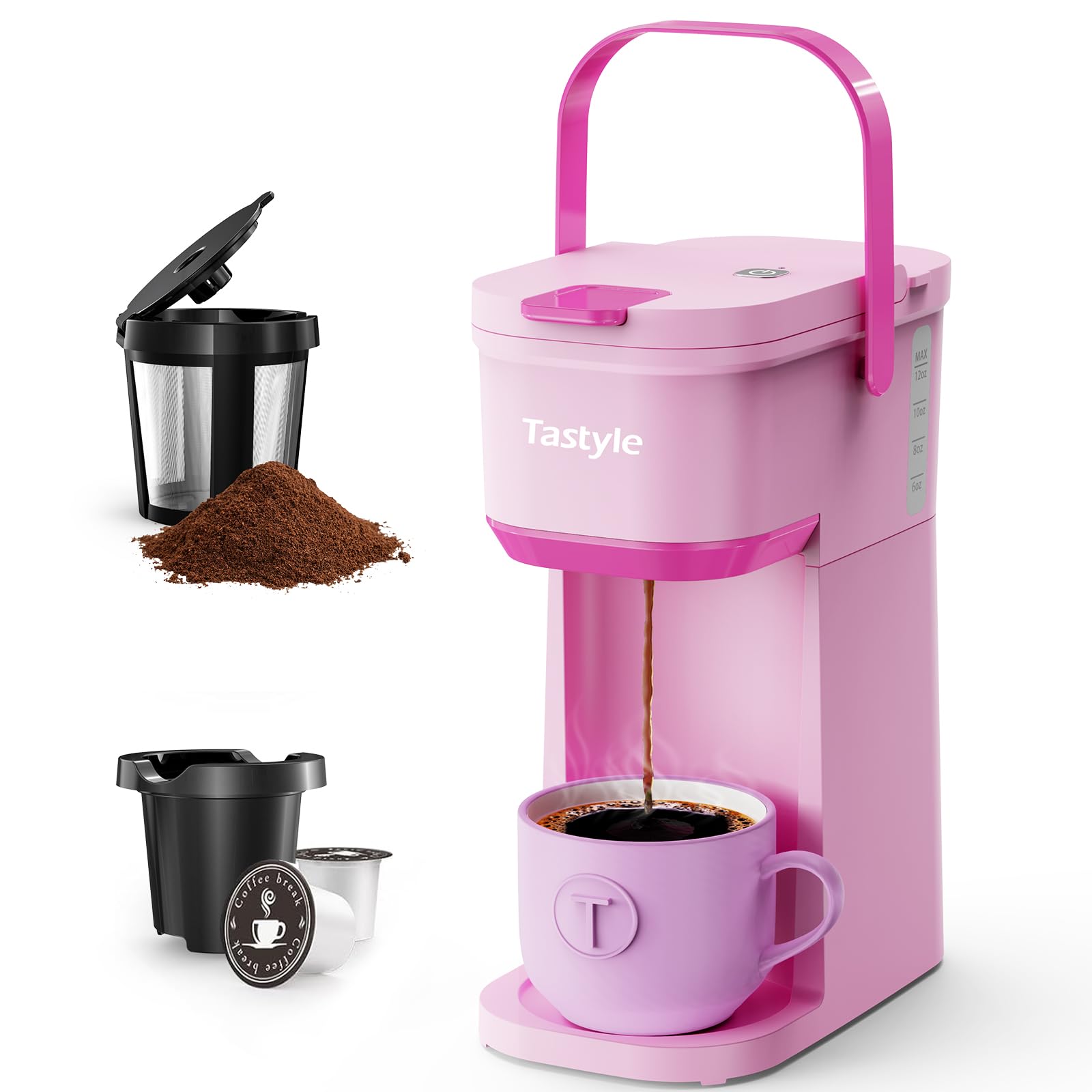
Choose a compact and lightweightcoffee maker for easy packing. Small devices save space and weight in your bag. Look for models that fit in your hand or backpack without hassle.
Power sources matter a lot. Some use batteries, others need electric outlets. Battery-powered machines offer freedom but check battery life. Solar or USB rechargeable options work well for camping.
Durability is key. Pick a coffee maker with a strong buildand water-resistantparts. Materials like stainless steel or hard plastic hold up better outdoors. Avoid delicate machines that break easily.
Credit: www.amazon.com
Essential Accessories To Bring
Coffee podsoffer quick and easy use with no mess. They are perfect for camping because you just insert and brew. Ground coffeerequires a filter or reusable pod but lets you choose any coffee type. Pods are lighter to carry, but ground coffee often tastes fresher.
Bring a large water containerto fill the coffee maker. Water filters help keep the water clean and safe for brewing. Using filtered water improves the taste and protects your coffee maker from buildup.
- Small brush or sponge for cleaning
- Mild soap safe for coffee makers
- Cloth or paper towels to dry parts
- Portable container to hold used coffee grounds or pods
Cleaning supplies are important to keep your coffee maker working well. Clean after each use to avoid clogging and bad smells.
Setting Up At The Campsite
Choose a flat, stable surface to place your coffee maker. This stops it from tipping over. Avoid soft or uneven ground. Keep it away from edges and water sources. A small table or a sturdy rock works well.
Power your coffee maker using a portable power bank or car adapter. Some models run on batteries. Check your coffee maker’s power needs before camping. Use a fully charged power source for best results.
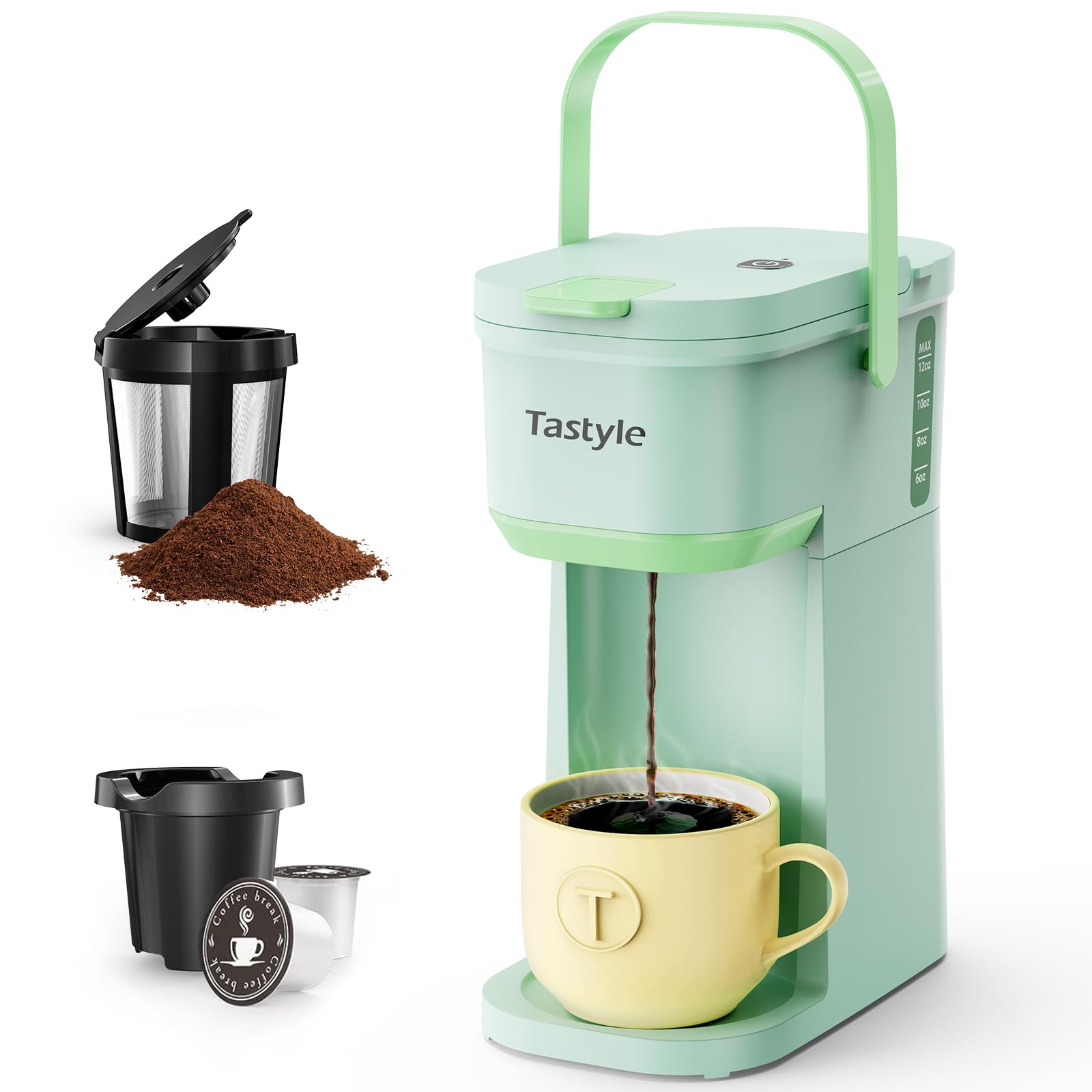
Fill the water reservoir with clean, fresh water. Use bottled or filtered water if possible. Measure the right amount of water for your brew size. Insert a coffee pod or ground coffee into the basket. Close the lid securely before brewing.
Credit: www.amazon.com
Brewing The Perfect Cup Outdoors
Adjust brew strength by using more or less coffee grounds. Using more grounds makes coffee stronger. Using less makes it lighter. Try small changes to find your favorite taste.
Timing and temperature affect the flavor a lot. Brew for about 2-4 minutesfor the best taste. Water should be hot, around 195-205°F. Too hot or too cold water can spoil the flavor.
Common issues include weak coffee or coffee not brewing. Check if the coffee pod is placed correctly. Make sure the machine has enough water. Clean the machine regularly to avoid clogs.
Maintaining Your Coffee Maker On The Go
Cleaning your coffee maker after each use keeps it working well. Remove used pods and wipe the machine’s inside with a damp cloth. Rinse removable parts with warm water to stop build-up. Let all parts dry before putting them back together.
Protect the coffee maker from rain, dust, and dirt during camping trips. Use a sturdy bag or cover to keep it safe from the weather. Avoid placing the machine on wet or dirty surfaces to prevent damage.
| Storage Tips | Reason |
|---|---|
| Store in a cool, dry place | Prevents mold and keeps parts dry |
| Keep machine upright | Avoids spills and internal damage |
| Use protective case or bag | Shields from dust and scratches |

Credit: www.amazon.com
Safety Tips For Using Coffee Makers Outdoors
Camping with a single-serve coffee maker can be delightful. Choose a stable, flat surface to set up. Keep the coffee maker away from water sources to prevent accidents. Use only portable power sources. Always follow the manufacturer’s instructions for safe operation.
Enjoy your coffee while embracing nature.
Handling Hot Surfaces And Liquids
Keep hands awayfrom hot surfaces to avoid burns. Use a towel or cloth to handle the coffee maker. Ensure the coffee maker is stable on a flat surface. Be careful with hot liquids. Pour slowly into cups.Power Safety Precautions
Check power sourcesbefore use. Make sure cords are not damaged. Use a safe power connection. Avoid using near water or wet areas. Turn off the coffee maker after use.Environmental Considerations
Dispose of wasteproperly. Do not litter or leave trash behind. Use biodegradable cups if possible. Protect nature by being responsible. Keep the area clean for others. `Frequently Asked Questions
How Do I Power A Single-serve Coffee Maker Camping?
Use a portable power bank with AC outlet or a car inverter. Some models run on batteries or 12V power, ideal for camping.
What Coffee Pods Work Best For Camping Coffee Makers?
Use standard single-serve pods like K-Cup or compatible reusable pods. Choose pods that suit your taste and store well outdoors.
Can I Use Tap Water For Camping Coffee Makers?
It’s better to use filtered or bottled water. This improves taste and avoids potential impurities found in tap water.
How To Clean A Single-serve Coffee Maker While Camping?
Rinse removable parts with water after use. Use mild soap and a soft cloth; avoid harsh chemicals outdoors.
Conclusion
Using a single-serve coffee maker makes camping mornings easier. It brews coffee quickly without much effort. Just bring water, coffee pods, and your machine. No need for bulky equipment or complicated steps. Enjoy fresh coffee anywhere, even in the wild.
This simple tool saves time and boosts your energy. Camping becomes more comfortable with a warm drink. Try it on your next trip for a better start. Keep your coffee routine simple and stress-free outdoors.