
If you’ve ever struggled with cleaning or refilling a water tank, a removable water tank could be your best solution. But how do you use it properly to save time and avoid spills?
You’ll discover simple steps that make handling your removable water tank easy and hassle-free. By the end, you’ll feel confident managing your water tank like a pro, making your daily routine smoother and more efficient. Keep reading to unlock these practical tips!
Benefits Of Removable Water Tanks
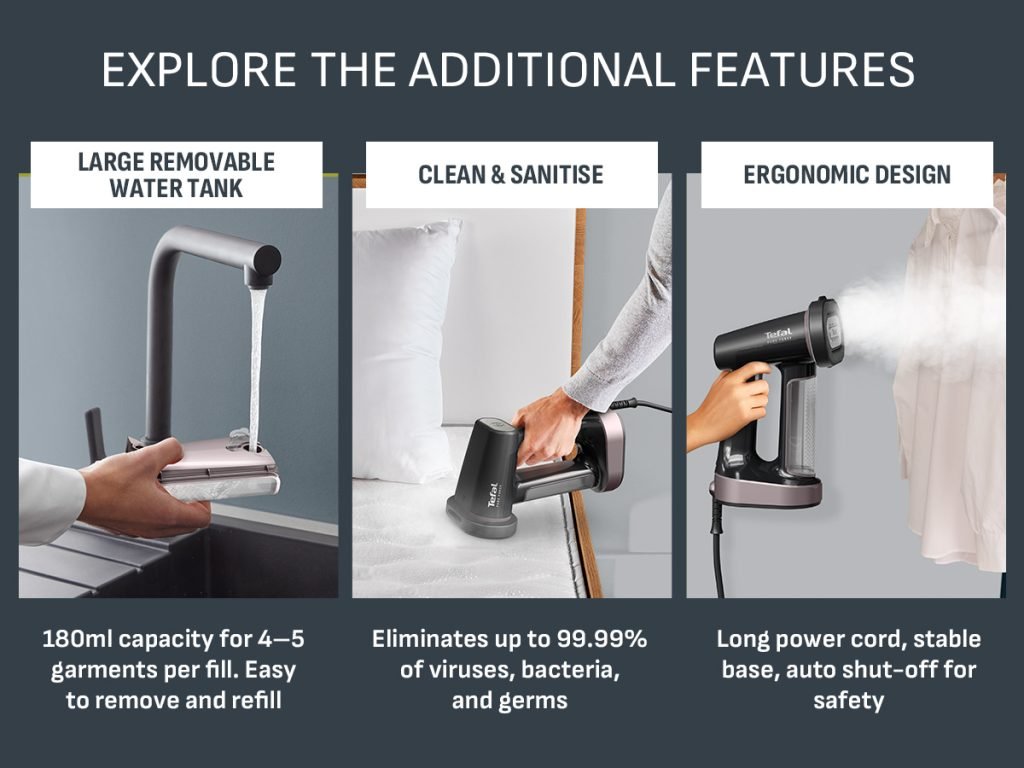
Removable water tanksmake cleaning and filling very easy. You can take them out without lifting heavy appliances. This helps avoid spills and messes. They save time by letting you fill the tank directly at the tap. This also keeps the water fresh and clean. Many models fit well in small spaces because you can remove the tank. They help maintain the appliance better. You can check the water level easily and refill as needed. Removable tanks are great for homes, offices, and travel. They add convenience and reduce effort.

Credit: manuals.plus
Choosing The Right Water Tank
Material typesaffect durability and safety. Plastic tanks are light and cheap but may wear out faster. Stainless steel tanks last longer and resist rust but cost more. Glass tanks are safe for drinking water but can break easily. Choose a material that fits your needs and budget.
Size and capacitydepend on how much water you need. Small tanks hold about 1-3 gallons, good for personal use. Larger tanks hold 5 gallons or more, useful for groups or longer use. Consider the space where you will keep the tank. Pick a size that is easy to carry and fits well.
Compatibility with appliancesis key. Check if the tank fits your water dispenser or coffee maker. Some tanks have special shapes or connectors. Make sure the tank matches your appliance to avoid leaks or spills. Always read the appliance manual for tank specs.
Setting Up Your Water Tank
Place the removable water tank on a flat, stable surface. Ensure the tank is near a water source for easy filling. Keep the tank within reach to allow quick removal and cleaning.
- Choose a spot with good air circulation to prevent mold.
- Avoid direct sunlight to keep water fresh.
- Keep the tank away from heat sources.
- Make sure the tank fits well without forcing it.
Check that the tank’s handle or grip is easy to hold. Position the tank so it slides in and out smoothly. This helps with refilling and maintenance.

Credit: cherryshop.com.ph
Filling And Using The Tank
Use only clean and safe water sourcesto fill the tank. Tap water or filtered water works best. Avoid using water from lakes, rivers, or ponds unless it is purified. This keeps the tank free from harmful bacteria and dirt.
For optimal filling, hold the tank steady and use a funnel if needed. Fill slowly to avoid spills and air bubbles. Do not overfill; leave some space for air. This helps water flow smoothly when in use.
Cleaning And Maintenance
A regular cleaning schedulekeeps the water tank fresh and safe. Clean the tank every one to two weeks to avoid bacteria build-up. Use warm water and mild soap for the best results. Rinse the tank well before use.
For removing and replacing the tank, gently pull the tank out from the device. Avoid forcing it to prevent damage. After cleaning, place the tank back carefully, ensuring it fits snugly.
Using cleaning solutions safelyis important. Choose solutions that are safe for plastic and non-toxic. Avoid harsh chemicals like bleach. Always rinse the tank thoroughly after cleaning to remove any residue.
Troubleshooting Common Issues
Check for leaks or loose fittings if the water tank does not hold water properly. Clean the tank regularly to prevent clogs and ensure smooth water flow. Make sure the tank is properly seated to avoid errors during use.
Leaks And Cracks
Check the tank for visible cracksor holes. Use a flashlight to see clearly. Seal small cracks with special glue. Replace the tank if the cracks are big. Ensure all parts fit tightly. Loose parts can cause leaks. Tighten any loose screws or connectors. Always handle the tank gently to avoid new cracks.
Odor And Residue Problems
Clean the tank regularly to avoid bad smells. Use a mix of water and vinegar. Fill the tank and let it sit for 30 minutes. Rinse it well with clean water. This removes odors and residue. Baking soda can also help. Sprinkle some inside the tank, then rinse thoroughly.
Improving Water Flow
Check for blockages in the tank. Remove any debris or dirt. Ensure the water filter is clean. Replace it if it’s old or dirty. Adjust the water flow setting if available. Make sure the tank is placed correctly. Misalignment can slow water flow.
Storage Tips For Longevity
Keep the removable water tank clean and dry when not in use to prevent mold and odors. Store it in a cool, shaded place to protect its material and ensure long-lasting performance.
Drying The Tank
Dry the water tank completely before storing it. Use a clean towel to wipe inside and outside. Ensure no water is left to prevent mold. Air dry the tank in a sunny place. This helps keep it fresh and clean.Proper Storage Conditions
Store the tank in a cool, dry place. Avoid direct sunlight to prevent damage. Keep it away from chemicals and sharp objects. Use a shelf or cupboard for safe storage. Ensure the lid is tightly closed to keep dust away. `
Credit: store.zojirushi.com
Frequently Asked Questions
What Is A Removable Water Tank Used For?
A removable water tank stores and supplies water in appliances like humidifiers or steam cleaners. It allows easy refilling and cleaning, improving convenience and hygiene. This feature helps maintain appliance efficiency and extends its lifespan by preventing buildup of dirt or mold.
How Do I Properly Clean A Removable Water Tank?
To clean, empty the tank and rinse with warm water and mild soap. Use a soft brush to remove deposits. Rinse thoroughly to avoid soap residue. Regular cleaning prevents mold and bacteria growth, ensuring safe and fresh water for your appliance.
Can I Use Tap Water In A Removable Water Tank?
Yes, tap water can be used unless the manufacturer advises otherwise. However, hard water may cause mineral buildup. Using filtered or distilled water can reduce scaling and prolong the appliance’s life. Always check your device manual for specific water recommendations.
How Do I Refill A Removable Water Tank Correctly?
Remove the tank carefully and fill it with clean water up to the indicated level. Avoid overfilling to prevent leaks. Securely place the tank back in the appliance before turning it on. Proper refilling ensures optimal performance and avoids damage.
Conclusion
Using a removable water tank makes cleaning and refilling simple. It saves time and helps keep your device working well. Always handle the tank carefully to avoid spills or damage. Regularly check the tank for cracks or dirt to maintain good water quality.
Following these easy steps ensures your tank lasts longer and stays safe to use. Enjoy the convenience and peace of mind that comes with proper care. Simple habits make a big difference in daily use.