

Are you looking to get the most out of your home slicer? Knowing how to use the removable blade correctly can make a huge difference in your slicing experience.
Whether you want perfect slices for sandwiches or evenly cut veggies for your meals, mastering this simple skill saves you time and effort. You’ll discover easy steps to safely remove, clean, and use the blade like a pro. Keep reading, and you’ll unlock the full potential of your slicer today!
Credit: www.temu.com
Choosing The Right Blade
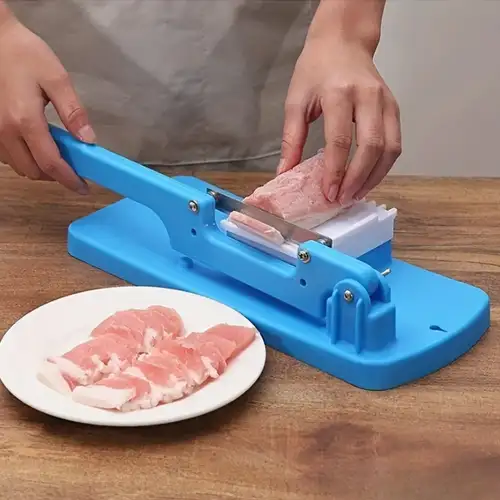
Removable blades come in different typesfor various slicing needs. Common blade types include straight, serrated, and julienne. Each blade suits different foods and textures. Straight blades are best for clean cutson meats and cheeses. Serrated blades work well with soft or crusty foodslike bread. Julienne blades create thin strips for vegetables.
Blade material affects durabilityand sharpness. Stainless steel blades resist rust and stay sharp longer. Carbon steel blades cut very well but may require more care. Plastic blades are safer for kids but less durable.
| Blade Type | Best For | Material | Durability |
|---|---|---|---|
| Straight | Meats, Cheeses | Stainless Steel | High |
| Serrated | Bread, Soft Foods | Carbon Steel | Medium |
| Julienne | Vegetables | Stainless Steel | High |
Match blades to food for best results. Use straight blades for firm foods. Serrated blades handle soft, tough crusts well. Julienne blades work great for slicing vegetables into sticks. Choose blade material based on care and frequency of use.
Credit: www.vevor.ca
Installing The Blade Safely
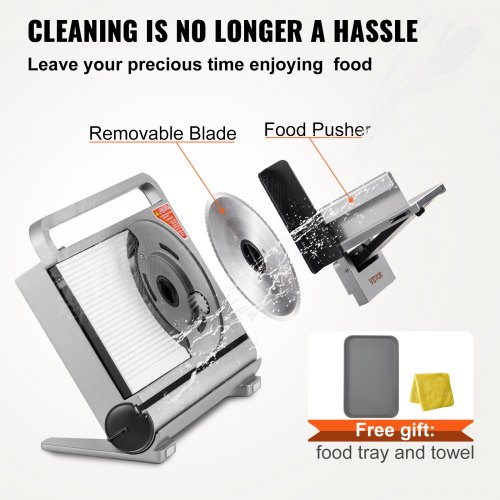
Unplug the slicer first. Place it on a stable surface. Clean the slicer to remove food bits. Make sure it’s dry before moving on. Locate the blade area on the slicer. Check for screws or clips holding the old blade. Gather tools needed for blade removal.
Remove the old blade carefully. Use a screwdriver if needed. Take the new blade out of its package. Align it with the slicer’s slot. Secure it with screws or clips. Ensure the blade is tight and stable. Rotate it gently to check alignment.
- Always use gloves when handling blades.
- Keep fingers away from the blade edge.
- Check for any loose parts regularly.
- Store the slicer safely after use.
Adjusting Blade Settings
Thickness controlis key for good slicing. Adjust the dial or knob to set the blade gap. Thicker slices work well for bread or cheese. Thin slices suit meats or vegetables. Test slices first to find the perfect thickness.
Set the blade angle and positioncarefully. The blade must be tight and secure before use. Adjust the blade so it lines up straight with the food guide. A wrong angle can cause uneven cuts or damage to the slicer.
- Keep the food pressed firmly against the guide.
- Use smooth, even pressure when sliding the food.
- Check each slice for size and shape consistency.
- Clean the blade often to avoid sticky buildup.
Consistent slicescome from steady hands and correct settings. Take your time and watch each cut closely. This helps keep slices even and safe.
Operating The Slicer Efficiently
Place the food flat on the slicer tray for even cuts. Use firm but gentle pressure. Avoid forcing the food through the blade.
The guard keeps your hands safe and steady. Hold the handle firmly to control slicing speed. This helps avoid accidents and keeps slices uniform.
- Keep the blade sharp and clean for smooth slicing.
- Slice slowly to avoid slipping or uneven cuts.
- Use a back-and-forth motion for consistent thickness.
- Clean the slicer after each use to keep it working well.
Cleaning And Maintenance
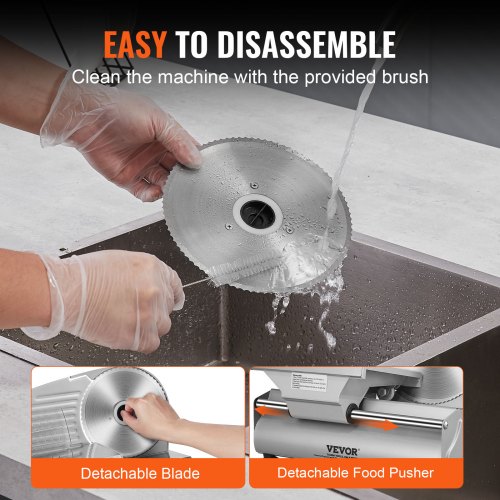
Always unplug the slicer before removing the blade. Use the blade removal tool or handle carefully to avoid cuts. Place the blade on a soft surface to prevent damage.
Clean the blade with warm water and mild soap. Avoid harsh chemicals that can dull the blade. Dry the blade completely to stop rust.
- Wear cut-resistant gloves while cleaning.
- Never soak the blade for long periods.
- Use a soft cloth or sponge only.
Sharpen the blade regularly with a sharpening stone or tool. Store the blade in a dry, safe place away from children. Cover the blade with a protective sheath to keep it sharp.
Credit: www.vevor.ca
Troubleshooting Common Issues
Blade not cutting smoothlyoften means the blade is dull or dirty. Clean the blade with warm water and soap. Check if the blade is sharp enough. A dull blade will tear the food instead of slicing it cleanly.
Blade installation problemscan cause uneven cuts. Make sure the blade fits tightly and locks in place. A loose blade can wobble and cut poorly. Remove and reinstall the blade carefully, following the slicer’s instructions.
Slicer motor and mechanical issuesmay stop the blade from spinning well. Check if the motor runs smoothly without strange noises. Clean any food debris around the motor and gears. If the motor is weak, it may need repair or replacement.
Frequently Asked Questions
How Do I Safely Remove The Blade From A Home Slicer?
To remove the blade safely, unplug the slicer first. Use a cloth or gloves for grip. Follow your slicer’s manual for unlocking mechanisms. Handle the blade carefully to avoid cuts and place it on a stable surface while cleaning or replacing.
How Often Should I Clean The Removable Blade?
Clean the blade after each use to maintain hygiene. Use warm, soapy water and a soft cloth. Avoid abrasive materials that may dull the blade. Dry it thoroughly before reattaching to prevent rust and ensure smooth slicing.
Can I Use Any Blade With My Home Slicer?
No, always use blades compatible with your model. Check the manufacturer’s recommendations for size and type. Using the wrong blade can damage the slicer or affect cutting performance. Purchase replacement blades from authorized dealers only.
What Are The Benefits Of A Removable Blade On Slicers?
Removable blades allow easy cleaning and maintenance. They help maintain sharpness by enabling proper sharpening or replacement. This feature increases slicer safety and extends the appliance’s lifespan. It also improves slicing precision and food hygiene.
Conclusion
Using the removable blade on your home slicer keeps it clean and sharp. Always handle the blade with care for safety. Regular cleaning helps your slicer work better and last longer. Take your time when removing or attaching the blade.
This simple step makes slicing easier and more precise. Enjoy fresh, even slices every time you use your slicer. Keep these tips in mind to get the best results. A sharp, clean blade makes all the difference.