
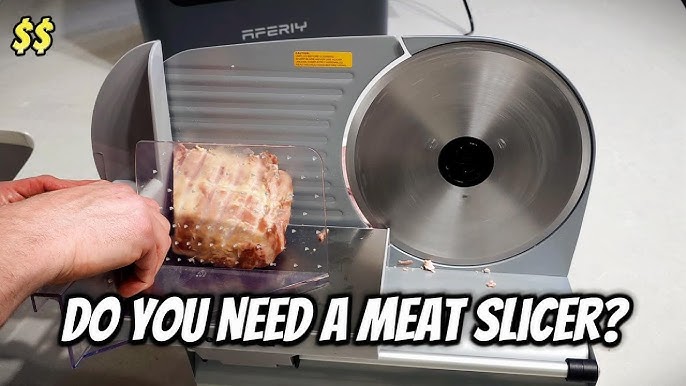
If you want to make slicing easier, faster, and safer, using the removable blade on your compact slicer is a game-changer. But if you’re unsure how to handle it or get the best results, you’re not alone.
This guide will walk you through simple steps to use the removable blade confidently, so you can slice like a pro every time. Keep reading, and you’ll discover tips that save time and prevent accidents—making your kitchen tasks smoother than ever.
Choosing The Right Blade
Choosing the right blade is key for a compact slicer. Different blade typessuit different foods. For example, serrated blades cut bread well. Smooth blades work best for meats and cheeses.
Material compatibility is important. Some blades work better on soft foods, others on hard items. Using the right blade keeps your slicer sharp and safe.
| Blade Type | Material Compatibility | Blade Size & Thickness |
|---|---|---|
| Serrated | Bread, soft fruits | Thin, sharp teeth |
| Smooth | Meat, cheese | Thin, straight edge |
| Rippled | Vegetables, firm fruits | Medium thickness |
Blade Installation Steps
Always unplug the slicer before starting. Wear gloves to protect hands. Keep fingers away from the blade area. Read the manual for specific instructions. Ensure the slicer is on a flat surface. Keep children away during the process.
Turn the blade release knob. Hold the blade with one hand. Gently pull the blade out. Place it safely aside. Check for any food particles. Clean the blade slot carefully. Inspect the slicer for any damage.
Align the new blade with the slot. Push it in until it clicks. Turn the release knob to secure it. Double-check that it’s locked. Ensure it spins freely. Plug the slicer back in. Test it with a small piece of food.
Adjusting The Slicer Settings
Adjusting the thickness controlhelps slice food to the right size. Turn the dial or knob to choose thin or thick slices. Always start with a lower setting to avoid cutting too thick.
Speed adjustmentlets you control how fast the blade moves. Use slower speeds for soft foods and higher speeds for hard items. This keeps slicing smooth and safe.
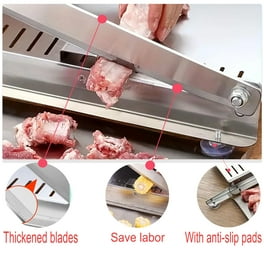
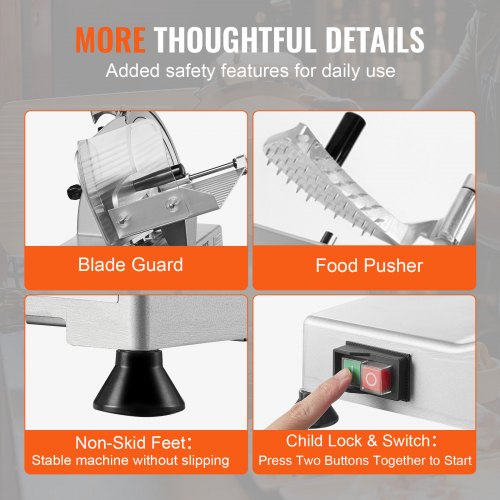
Check the locking mechanismsbefore using the slicer. These locks keep the blade and parts in place. Make sure everything is tight to avoid accidents while slicing.
Credit: www.walmart.com
Best Practices For Slicing
Place food flat and steady on the slicer. This keeps slices even and safe.
Hold the food firmly but gently. Avoid pressing too hard; it can break the blade.
- Use smooth, steady pressure for clean cuts.
- Keep hands away from the blade.
- Move food slowly through the slicer.
Never force the blade through tough items. This can cause damage or injury.
Clean the blade after each use. It stops food from sticking and keeps the slicer sharp.
Cleaning And Maintenance
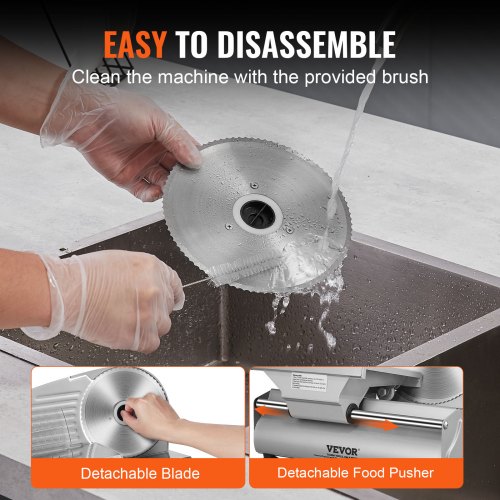
Always unplugthe slicer before removing the blade. Use the handle or a tool to gently lift the blade out. Avoid touching the sharp edges to prevent cuts. Place the blade on a soft surface while cleaning.
Clean the blade and slicer with warm, soapy water. Use a soft cloth or brush to remove food bits. Dry all parts fully to stop rust. Never soak the blade for long times.
| Blade Sharpening Tips | Details |
|---|---|
| Frequency | Sharpen blade every few weeks or when dull. |
| Tools | Use a sharpening stone or professional sharpener. |
| Technique | Hold blade steady and sharpen evenly on both sides. |
| Safety | Wear gloves to protect hands during sharpening. |
Credit: www.vevor.com
Troubleshooting Common Issues
Blade alignmentissues cause uneven cuts. Check if the blade is fixed tightly. A loose blade shifts during slicing.
Adjust the blade so it sits straight and centered. This helps get even slicesevery time.
- Uneven slices can mean the blade is dull or misaligned.
- Use the slicer’s guide to realign the blade carefully.
- Wipe the blade clean before adjusting to avoid slipping.
Blade dullnessmakes slicing harder and less safe. You may notice more force is needed or slices are rough.
Replace or sharpen the blade if slices become uneven or tearing occurs. Regular blade care keeps the slicer working well.
Credit: www.vevor.com
Frequently Asked Questions
How Do I Safely Remove The Blade From A Compact Slicer?
To safely remove the blade, first unplug the slicer. Use a blade removal tool or gloves to avoid cuts. Carefully lift the blade straight up and away from the slicer. Always handle with care to prevent injury.
Can I Use Any Blade On My Compact Slicer?
No, only use blades designed for your slicer model. Using incompatible blades can damage the machine and affect slicing quality. Check manufacturer guidelines to ensure blade compatibility for safety and performance.
How Often Should I Clean The Removable Blade?
Clean the blade after each use to prevent food buildup. Use warm, soapy water and a soft cloth. Dry thoroughly to avoid rust. Regular cleaning maintains hygiene and extends blade life.
What Is The Best Way To Store The Removable Blade?
Store the blade in a protective cover or case. Keep it in a dry place away from moisture. Proper storage prevents dullness and accidental injuries, ensuring the blade stays sharp and safe.
Conclusion
Using the removable blade on your compact slicer makes cleaning simple. It also helps you switch blades quickly for different foods. Always handle the blade with care to stay safe. Regular maintenance keeps your slicer working well for a long time.
Practice these steps to enjoy easier slicing every day. Your kitchen tasks become faster and more efficient. Try these tips and see the difference yourself.