
Clogged drains and toilets can strike at the worst times, leaving you frustrated and unsure of what to do next. You might think using a plunger is simple, but if not done correctly, it can make things worse or even cause damage.
Knowing how to use a plunger safely is key to fixing the problem quickly and protecting your plumbing. You’ll discover easy, step-by-step tips that anyone can follow to get your pipes flowing again—without stress or mess. Keep reading, and you’ll gain the confidence to handle clogs like a pro.
Choosing The Right Plunger
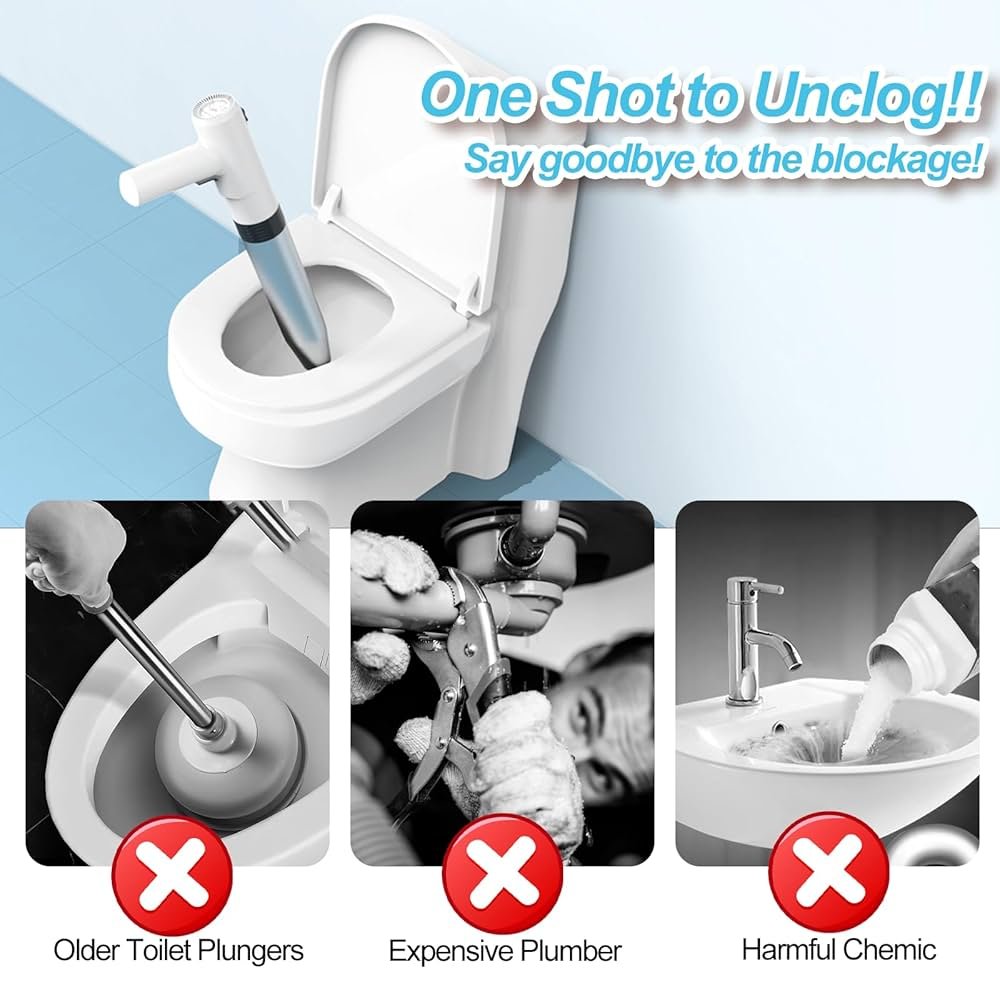
Plungers come in different typesfor various tasks. The cup plungerworks best for sinks and tubs. The flange plungerfits toilets well because of its extended rubber part. A accordion plungeroffers strong pressure for tough clogs.
Choosing the right materialmatters. Most plungers use rubberfor the cup or flange. Look for durable rubberthat won’t crack or tear easily. The handle should be made of strong wood or plasticto avoid breaking.
| Plunger Type | Best For | Material Quality |
|---|---|---|
| Cup Plunger | Sinks, Tubs | Flexible Rubber, Wooden Handle |
| Flange Plunger | Toilets | Durable Rubber, Plastic or Wood Handle |
| Accordion Plunger | Strong Toilet Clogs | Hard Rubber, Sturdy Handle |

Credit: indexbath.com
Preparing For Plunging
Clear the area around the sink or toilet before plunging. Remove any objects that can get wet or dirty. This keeps your space clean and safe.
Wear protective gear to avoid splashes and germs. Gloves protect your hands from germs and chemicals. Old clothes or an apron can keep your clothes clean.
- Use rubber gloves for hand protection.
- Wear eye protection to avoid splashes.
- Put on old clothes or a waterproof apron.
- Keep a towel nearby for spills.
Proper Plunging Technique
Place the plunger cup completely over the drain opening. Make sure it creates a tight sealto trap air and water pressure inside.
Push down slowly at first, then use controlled pressureto avoid splashing. Forceful, quick pushes can cause messes.
- Keep your movements steady and rhythmic.
- Push and pull the plunger without lifting it off the drain.
- Repeat the motion until the clog loosens.
Maintaining a steady rhythmhelps move water effectively and clears blockages faster.

Credit: www.amazon.co.uk
Handling Different Clogs
Different clogs need careful handling with a plunger to avoid damage. Ensure a tight seal and plunge gently for best results. Avoid harsh force to prevent leaks or cracks in pipes.
Bathroom Drains
Use a small cup plungerfor bathroom sinks and tubs. Ensure the drain is covered with water. Place the plunger over the drain and push down firmly. Pull up sharply to create suction. Repeat until water drains freely. Avoid harsh chemicals that can damage pipes.
Kitchen Sinks
Remove any visible debris from the sink. Fill the sink with enough water to cover the plunger’s cup. Use a large flange plungerfor better seal. Push and pull the plunger quickly to loosen clogs. Check if water drains smoothly. Avoid pushing too hard to prevent pipe damage.
Toilets
Choose a toilet plunger with a flangefor a better fit. Insert the plunger into the toilet bowl. Ensure the cup fully covers the drain hole. Push down gently, then pull up sharply. Repeat several times to clear the blockage. Flush carefully once water moves freely.
Safety Precautions
Always wear gloves to protect your hands from germs and dirty water. Press the plunger slowly to avoid splashing and keep the area clean. Make sure the plunger fits tightly over the drain for better pressure and safety.
Avoiding Chemical Interactions
Keep chemicals away from the plunger. Some chemicals can cause harm. Store cleaners in a different place. This prevents dangerous reactions. Always read labels for instructions. Be careful with bleach and ammonia. They should never mix. Use plain water when plunging.
Preventing Splash And Spills
Plunge slowly to avoid splashes. Quick plunging can make water spill. Wear old clothes to stay clean. Keep a towel nearby for spills. Use a steady hand while plunging. This keeps water in the sink or toilet. Check the plunger for damage. Replace it if it’s broken.
Protecting Your Hands And Eyes
Wear rubber gloves before using the plunger. Gloves protect your hands from germs. Safety goggles are good for your eyes. Goggles stop splashes from reaching your eyes. Keep your hands away from your face. Clean your hands after plunging. This helps prevent illness.
When To Call A Professional
Persistent clogs or plumbing leaks need a professional’s help. Avoid using a plunger if water overflows or drains slowly after several attempts. Knowing when to stop prevents damage and costly repairs.
Persistent Clogs
Persistent clogsthat do not clear after several plunging attempts may need expert help. Continuous blockage might signal a deeper issue in the pipes. Avoid forcing the plunger too hard, which can cause damage. A plumber has the right tools to solve tough clogs safely and quickly.
Multiple Drain Blockages
Multiple blocked drainsin a home suggest a bigger problem in the main sewer line. Using a plunger on each drain will not fix the root cause. Professional plumbers can inspect and clean the main line effectively. This prevents further damage and keeps the plumbing system working well.
Maintaining Your Plunger
Keep your plunger clean and dry after each use to prevent germs and damage. Store it in a well-ventilated place. Always check the rubber for cracks before plunging to ensure a tight seal and safe use.
Cleaning After Use
Rinse the plunger with warm water. This removes dirt and germs. Use a mild soap to wash the rubber part. Scrub gently with a brush if needed. Ensure all soap is washed off. Dry the plunger with a clean towel. This helps prevent mold and bacteria.
Proper Storage
Store the plunger in a dry place. A damp area can cause smells. Use a holder to keep it upright. This allows air to circulate. Ensure it’s not touching other items. This avoids spreading germs. Keep it away from children and pets. This ensures safety in your home.

Credit: indexbath.com
Frequently Asked Questions
How Do I Use A Plunger Safely?
To use a plunger safely, create a tight seal over the drain. Apply steady, controlled pressure without forcing. Avoid splashing by plunging slowly. Clean the plunger thoroughly after use to prevent bacteria spread.
What Precautions Should I Take Before Plunging?
Wear gloves and protective eyewear to avoid contact with dirty water. Remove excess water if it’s too high. Ensure the plunger cup fully covers the drain for effective plunging. Ventilate the area to reduce odors.
Can I Use A Plunger On All Drains?
Plungers work best on sinks, toilets, and tubs with standard drains. Avoid using plungers on kitchen sinks with garbage disposals. Use the right plunger type for each drain to prevent damage and improve results.
How Often Should I Clean My Plunger?
Clean your plunger after every use to kill germs and odors. Use hot water and disinfectant or bleach for thorough cleaning. Allow it to dry completely before storing to prevent mold growth.
Conclusion
Using a plunger safely protects your pipes and avoids spills. Always check for cracks or damage before use. Push and pull slowly to avoid splashing dirty water. Clean the plunger well after each job. Store it in a dry, clean place to keep it ready.
Following these simple steps helps fix clogs without harm. Stay calm and use the plunger with care. This way, you save time and keep your bathroom clean. Safe plunging makes home maintenance easier for everyone.