
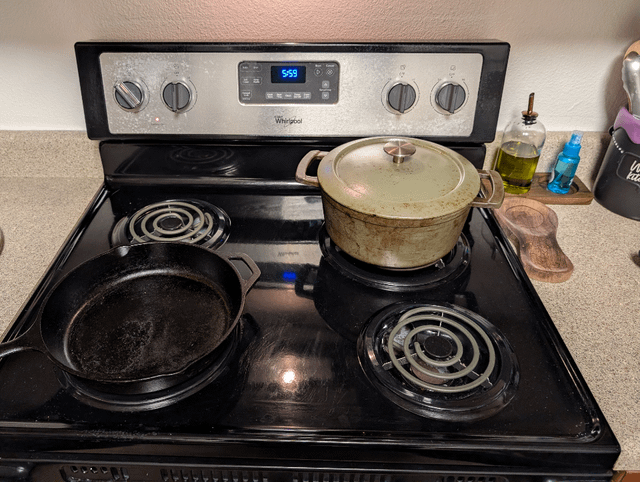
Are you struggling to get the best results from your nonstick cookware on your electric stove? Using nonstick pans the right way can save you time, protect your cookware, and make cooking more enjoyable.
But many people don’t realize that electric stoves need special care when paired with nonstick pots and pans. You’ll discover simple tips and tricks to help you cook perfectly every time while keeping your nonstick cookware in great shape. Keep reading to unlock the secrets to making your meals tastier and your kitchen life easier!
Benefits Of Nonstick Cookware
Nonstick cookware is popular because it makes cooking and cleaning easy. The smooth surfacestops food from sticking. This means washing is quicker and needs less scrubbing.
Using less oil or butter is possible with nonstick pans. This helps in making healthier meals. You save money and calories by using less fat.
- Cook eggs, pancakes, and fish without sticking.
- Great for frying and sautéing.
- Works well on electric stoves with steady heat.

Credit: circulon.uk.com
Choosing The Right Nonstick Cookware
Nonstick cookwareworks well on electric stoves if chosen carefully. Aluminumand hard-anodizedmaterials heat evenly and avoid warping. Avoid lightweight pans, as they can bend and cause uneven cooking. The pan’s base should be flat to sit well on electric stove coils.
Size matters. Use pans that match your burner size. Small pans on large burners waste energy. Large pans on small burners may heat unevenly. Round or slightly curved edges help heat spread better.
| Brand | Material | Price Range | Notes |
|---|---|---|---|
| T-fal | Hard-Anodized Aluminum | Low to Mid | Good heat distribution, durable |
| Calphalon | Aluminum with Nonstick | Mid to High | Sturdy, easy to clean |
| Cuisinart | Aluminum | Mid | Affordable, reliable |
Preparing Nonstick Cookware
Before using nonstick cookware, clean it gently with warm water and mild soap. Avoid harsh scrubbing pads to protect the coating. Dry the cookware completely with a soft cloth.
Seasoning nonstick cookware helps improve its surface and extends its life. Heat the pan on low heat for a couple of minutes. Turn off the stove and add a small amount of cooking oil. Spread the oil evenly using a paper towel. Let it cool before wiping off any excess oil. This simple step creates a better nonstick surface.
:max_bytes(150000):strip_icc()/Simply-Recipes-Stainless-Steel-Pan-Like-Nonstick-LEAD-1-876e185a84ba4c2ab9f4426b0c764860.jpeg)
Credit: www.simplyrecipes.com
Using Nonstick Cookware On Electric Stove
Place nonstick cookware flat on the electric stove burner to ensure even heat. Use low to medium heat to protect the coating and prevent damage. Avoid dragging the pan to keep the surface scratch-free.
Heat Settings
Keep the heat at medium or low to protect the nonstick coating. High heat can damage the surface quickly. Allow the pan to warm up gradually before cooking. Avoid using the highest settings on your electric stove. This helps keep your cookware safe and lasts longer.
Cooking Techniques
- Use wooden or silicone utensils to avoid scratching the pan.
- Do not use cooking sprays; they can build up residue.
- Stir food gently to preserve the coating.
- Let the pan cool before cleaning to prevent warping.
Avoiding Damage
| What to Avoid | Reason |
|---|---|
| High heat | Can break down nonstick coating |
| Metal utensils | Scratch and ruin the surface |
| Stacking pans without protection | Leads to scratches and dents |
| Dishwasher cleaning | Harsh detergents reduce lifespan |
Maintaining Nonstick Cookware
Cleaning nonstick cookware gently keeps the surface safe. Use a soft sponge or cloth with mild dish soap. Avoid abrasive scrubbers and harsh cleaners. Let the cookware cool before washing to stop warping.
Store nonstick pans carefully to avoid scratches. Stack pans with a soft cloth or paper towel between them. Keep lids separate or place them upside down on top of the pan.
- Use low to medium heat to protect the coating.
- Avoid metal utensils; choose wooden or silicone ones.
- Do not heat empty pans to prevent damage.
- Dry cookware thoroughly before storing.
- Check for chips or scratches regularly.
Common Mistakes To Avoid
Overheatingcan damage nonstick coatings quickly. Keep the heat at medium or low levels to protect the cookware. Avoid leaving empty pans on a hot electric stove. This can cause warping or release harmful fumes.
Using metal utensilscan scratch and ruin the nonstick surface. Choose wooden, silicone, or plastic utensils instead. These materials keep the coating safe and extend the life of your cookware.
Improper cleaningmay also harm nonstick pans. Do not use abrasive scrubbers or harsh chemicals. Clean gently with a soft sponge and mild soap. Dry the pan fully to prevent rust or damage.
Safety Considerations
Nonstick cookware can release harmful chemicals if overheated. Avoid heating an empty pan for long periods. Use low to medium heat settings to protect the coating. Never let the pan smoke or burn food.
Always use wooden or silicone utensils. Metal tools can scratch and damage the nonstick surface. Scratches may cause chemicals to leach into food.
- Do not use aerosol cooking sprays; they can build up and damage the coating.
- Clean pans gently with soft sponges and mild soap to avoid scratches.
- Check for signs of wear and replace the cookware if the coating peels or cracks.
Following these tips helps keep your food safe and cookware lasting longer.
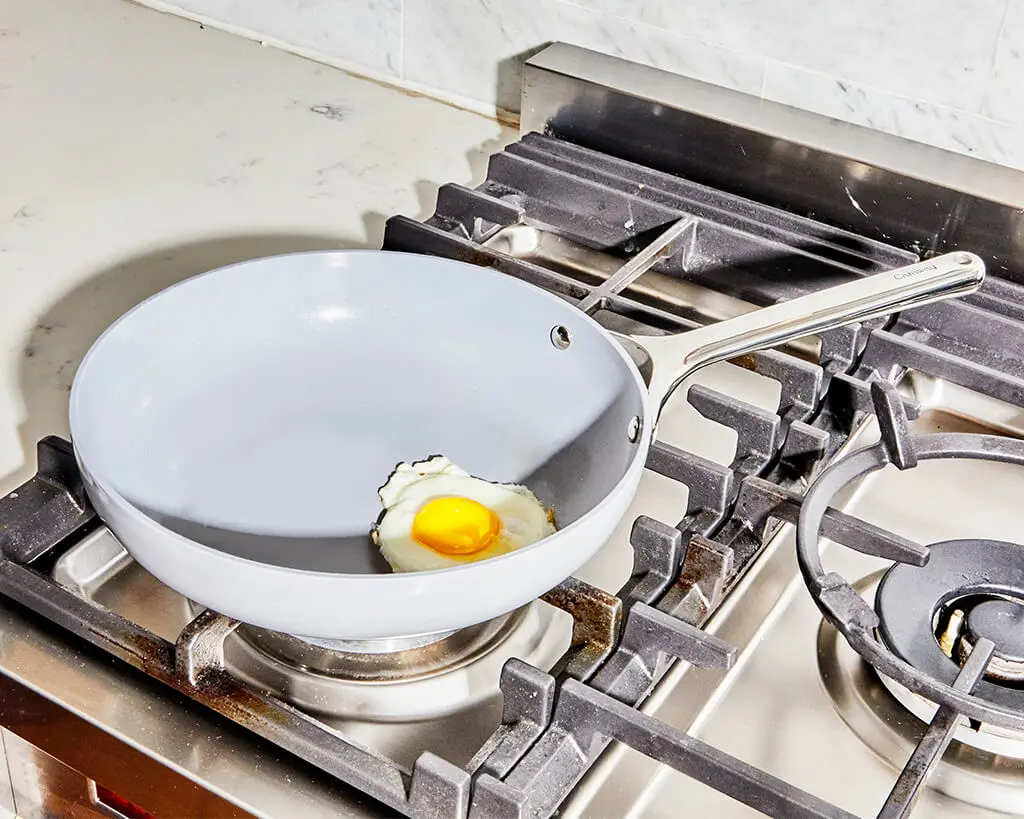
Credit: www.carawayhome.com
Frequently Asked Questions
Can I Use Nonstick Cookware On Electric Stoves?
Yes, nonstick cookware is safe for electric stoves. Ensure the pan’s flat bottom makes full contact with the heating element for even heat distribution.
How To Prevent Scratching Nonstick Pans On Electric Stoves?
Use wooden or silicone utensils to avoid scratching. Avoid dragging pans across the stove surface to maintain the nonstick coating.
What Temperature Is Best For Nonstick Pans On Electric Stoves?
Use medium to low heat settings. High heat can damage the nonstick coating and reduce the pan’s lifespan.
Can I Use Nonstick Cookware With Coil Electric Burners?
Yes, but ensure the pan sits evenly on the coil. Use pans with flat, smooth bottoms for better heat transfer and stability.
Conclusion
Using nonstick cookware on an electric stove is simple and safe. Always keep the heat at medium or low. Avoid dragging pans to protect the stove and cookware. Clean the pans gently to keep the nonstick surface smooth. These small steps help your cookware last longer.
Enjoy cooking without sticking or burning food. Remember, patience and care make cooking easier. Your electric stove and nonstick pans work best together this way. Keep these tips in mind for great meals every time.