
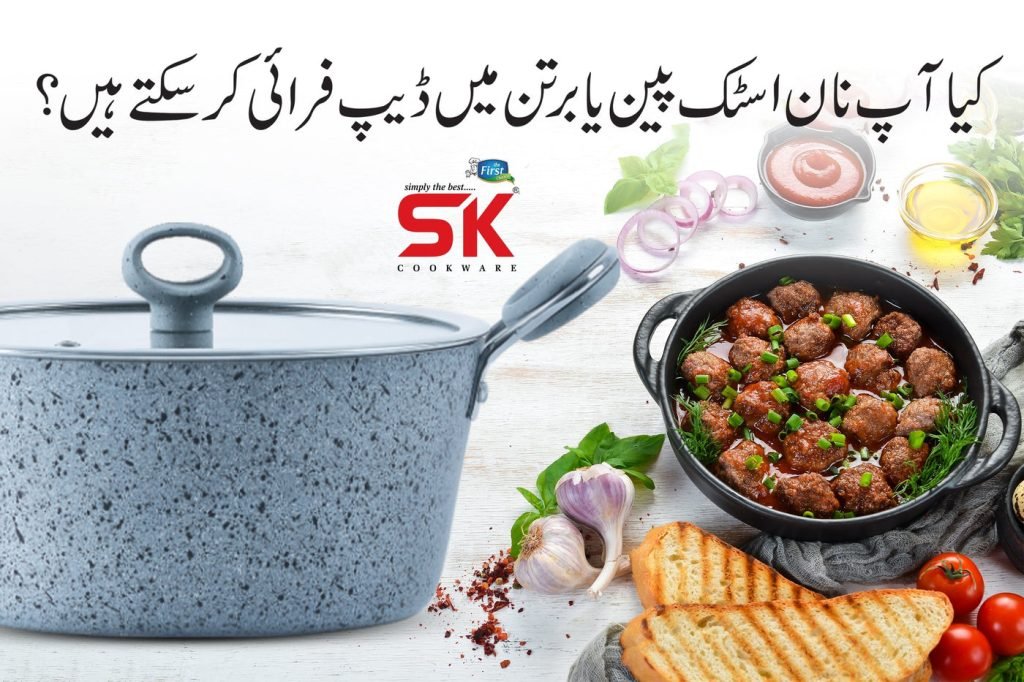
If you love crispy, golden fried food but worry about the mess and hassle, using nonstick cookware for deep frying might be your best kept secret. You’re probably wondering if it’s safe, effective, or even worth trying.
This guide will show you exactly how to use your nonstick pans to get perfect deep-fried results every time. By the end, you’ll feel confident and ready to fry up your favorite dishes without stress or mess. Keep reading to unlock the tips that can transform your cooking experience.
Choosing The Right Nonstick Cookware
Choose nonstick cookwaremade from high-quality materials like hard-anodized aluminumor ceramic coatings. These materials spread heat evenly and resist damage from oil. Avoid cookware with cheap coatingsthat peel or scratch easily.
Size matters. Pick a pot or pan with enough depthto hold the oil safely. It should be deep enough to prevent oil from spilling while frying. A wider base helps keep oil temperature steady.
- Material: Hard-anodized aluminum or ceramic
- Depth: At least 3 inches for safety
- Size: Wide base for even heat
- Nonstick coating: Durable and scratch-resistant

Credit: food52.com
Preparation Steps
Preheat the nonstick pan slowly over medium heat. Avoid using high heat directly. This protects the nonstick coating and keeps oil at the right temperature. Wait until the oil shimmers but does not smoke. This shows the oil is hot enough for frying.
Choose oils with high smoke points. Good options include:
- Canola oil
- Peanut oil
- Sunflower oil
- Safflower oil
These oils stay stable at high heat. They help food cook evenly without burning. Avoid olive oil or butter for deep frying as they burn quickly.
Deep Frying Techniques
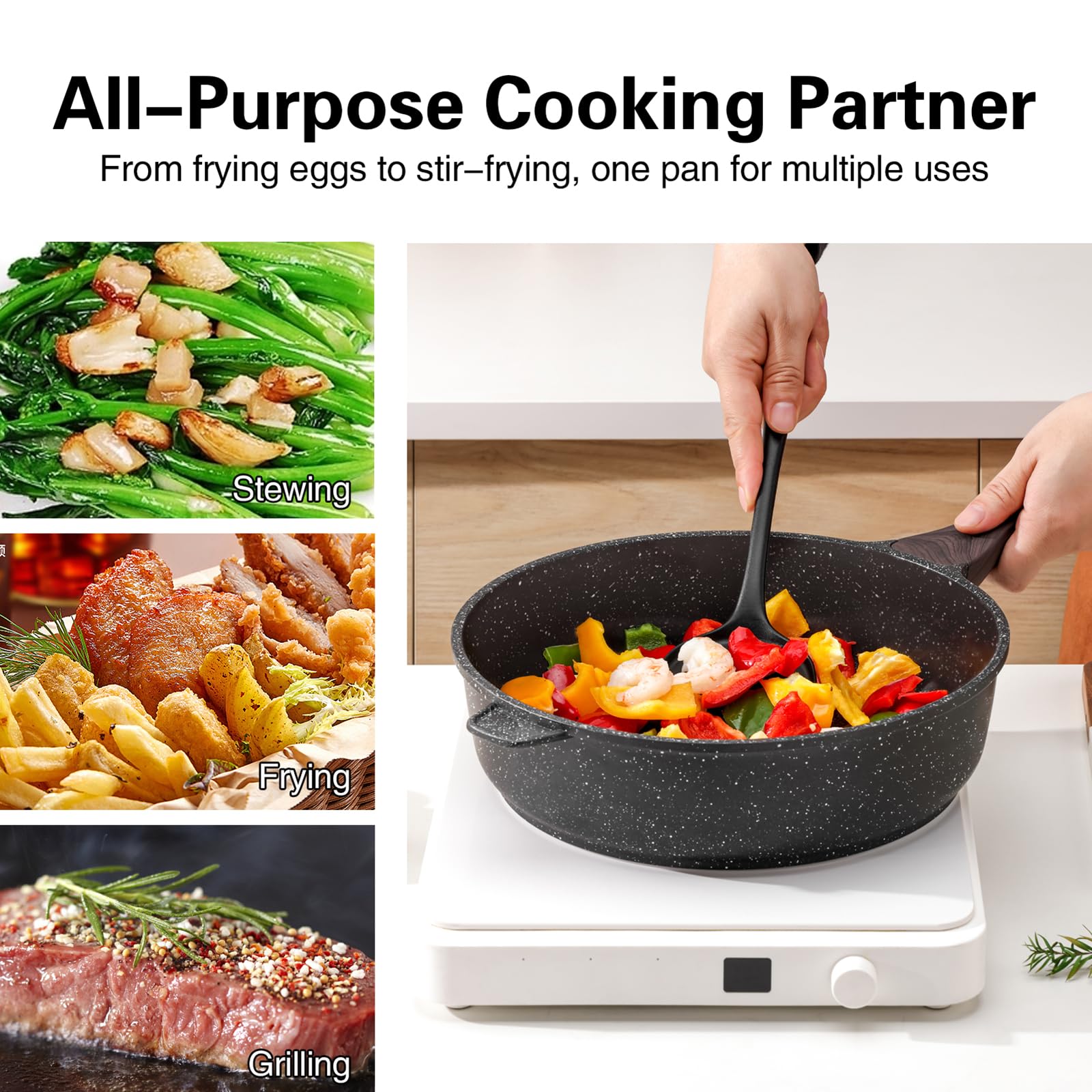
Nonstick cookware can handle deep frying with care to avoid damage. Use medium heat and avoid sharp utensils to keep the surface smooth. Always dry food well to prevent oil splatter and maintain safety.
Temperature Control
Keep the oil temperature steadyaround 350-375°F (175-190°C). Too hot oil burns food outside but leaves inside raw. Too cool oil makes food greasy. Use a thermometerto check temperature. Heat oil slowly in nonstick cookware to avoid damage. Avoid overcrowding the pan. It lowers oil temperature and causes uneven cooking.
Batter And Coating Tips
- Use thin batterfor a crisp, light crust.
- Let batter rest before frying to improve texture.
- Pat dry food before dipping to help batter stick.
- Use cornstarch or flourfor better coating.
- Drain fried food on paper towels to remove excess oil.

Credit: www.amazon.com
Safety Measures
Hot oil can cause dangerous splatters during deep frying. To avoid this, use a splatter guardor lid. Make sure the food is drybefore putting it in the oil. Water causes oil to pop and splatter. Do not overcrowd the pan, as this lowers the oil temperature and increases splatter risk.
Handling hot oil requires care and attention. Always use long tongs or a slotted spoonto put food in and take it out. Keep a safe distance from the pan to avoid burns. Use heat-resistant glovesif necessary. Never leave hot oil unattended, as it can catch fire. Keep a fire extinguishernearby for emergencies.
Maintenance And Care
Use warm water and mild dish soap for cleaning nonstick cookware.
Avoid steel wool or abrasive scrubbers to protect the coating.
Soft sponges or cloths clean gently without damage.
Dry cookware completely before storing to stop rust and warping.
Keep cookware away from high heat to prevent coating wear.
Store carefully to avoid scratches; use pan protectors or cloth between pans.
Deep frying can leave oil residue; clean soon after use.
Regular cleaning and gentle care help keep cookware nonstick and shiny.
Common Mistakes To Avoid
Overcrowding the pan lowers the oil temperature quickly. This causes food to cook unevenly and absorb more oil. Leave space for each piece to fry properly. This keeps food crispy and reduces oil use.
Using the wrong utensils can damage nonstick cookware. Avoid metal tools that scratch the surface. Use wooden, silicone, or plastic utensils instead. This keeps the nonstick coating safe and extends the pan’s life.
Expert Recommendations
Nonstick cookware works best with moderate oil and steady heat for deep frying. Avoid very high temperatures to protect the coating. Use a thermometer to keep oil around 350°F for crispy, even results.
Best Practices
Use the right oilwith a high smoke point like canola or peanut oil. Maintain oil temperature between 350°F and 375°F for crisp, even frying. Avoid overcrowding the pan to keep oil temperature steady. Always dry food before frying to prevent oil splatter. Use wooden or silicone utensils to protect the nonstick surface. Clean gently with a soft sponge and avoid abrasive scrubbers to extend cookware life. Allow oil to cool before disposing or storing.
Product Suggestions
| Cookware Type | Material | Best For | Price Range |
|---|---|---|---|
| Nonstick Deep Fry Pan | Aluminum with Nonstick Coating | Small batches of fried food | $$ |
| Nonstick Dutch Oven | Cast Aluminum | Large quantity frying | $$$ |
| Nonstick Electric Deep Fryer | Stainless Steel with Nonstick Basket | Convenient, controlled frying | $$$ |
Credit: www.amazon.com
Frequently Asked Questions
Can You Deep Fry Using Nonstick Cookware Safely?
Yes, you can deep fry in nonstick cookware safely. Use moderate heat to avoid damaging the coating. Always monitor oil temperature to prevent overheating and maintain nonstick effectiveness.
What Oil Is Best For Deep Frying In Nonstick Pans?
Choose oils with high smoke points like canola, peanut, or sunflower oil. These oils handle high heat well and prevent coating damage. Avoid oils that burn easily to protect your nonstick pan.
How To Maintain Nonstick Cookware After Deep Frying?
Clean nonstick cookware gently with a soft sponge and mild detergent. Avoid abrasive scrubbers that can scratch the surface. Dry the pan thoroughly and store it properly to extend its lifespan.
Is Nonstick Cookware Suitable For High-temperature Frying?
Nonstick cookware can handle moderate frying temperatures but not extreme heat. High heat may degrade the coating and release harmful fumes. Use medium heat settings for best results when deep frying.
Conclusion
Using nonstick cookware for deep frying can be safe and easy. Always choose the right oil and keep the temperature steady. Avoid overheating to protect the nonstick surface. Clean your cookware gently after use to keep it lasting longer. Enjoy crispy, tasty food without much mess.
Small steps make deep frying better and safer. Try these tips for great results every time. Cooking can be simple and fun with the right tools.