
Imagine you’re ready to whip up a delicious meal, but there’s a hitch—your favorite cookware isn’t compatible with your induction cooktop. Frustrating, right?
You’re not alone. Many home cooks face this dilemma, and the good news is there’s a solution. You’ll discover simple yet effective ways to use your cherished non-induction pots and pans on your induction stove. It’s time to break free from limitations and get cooking without the need to overhaul your entire kitchen.
Stick with us, and you’ll unlock the secrets to making your induction cooktop work with any cookware you love. Curious to find out how? Let’s dive in!

Credit: www.youtube.com
Non-induction Cookware Basics
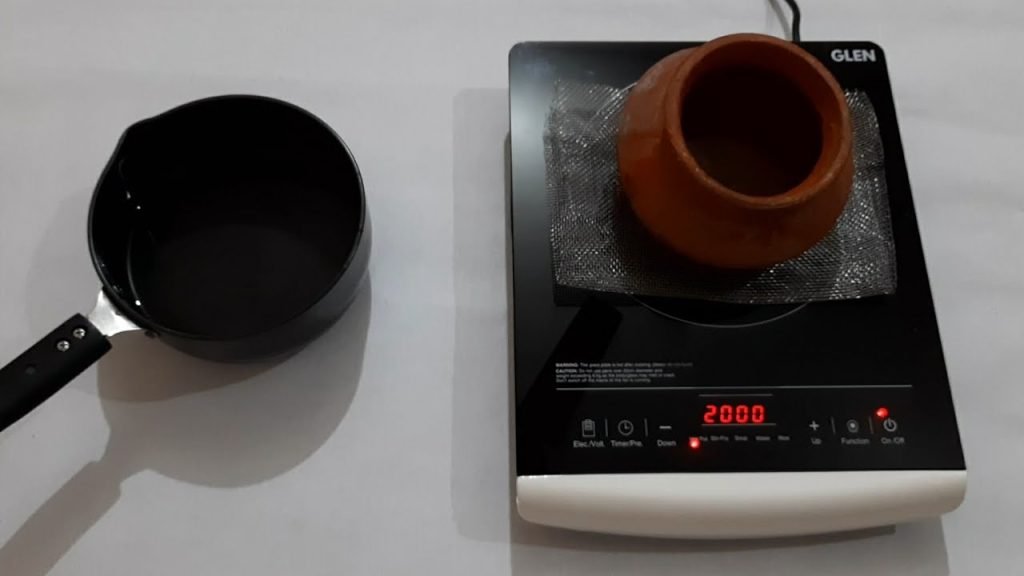
Using non-induction cookware on an induction cooktop requires an adapter disk. Place the disk between the pan and cooktop. This helps heat transfer to non-magnetic cookware. Ensure the adapter and cookware are stable during cooking for safety.
Material Types
Many cookware types do not work on induction stoves. Aluminum and copper are common materials. They lack magnetic properties. Glass and ceramic are popular too. They are not magnetic either.
Some pots and pans have a magnetic layer. This layer helps them work on induction. Not all cookware has this layer. Check the bottom of the cookware. If it sticks to a magnet, it can work.
Common Challenges
Using non-induction cookware can be tricky. Heating is uneven. Food may cook poorly. Noise can happen too. Some pots make buzzing sounds. This is because of the magnetic field.
Adapting cookware is an option. Buy an induction converter disk. Place it on the stove. Put your pot on top. The disk helps heat the pot. It’s simple to use. This can solve many problems.
Induction Cooktop Mechanism
Induction cooktops use magnetic fieldsto heat pots. They have a coil of wire under the glass. When the cooktop is on, electricity passes through the coil. This creates a magnetic field above the surface. The magnetic field makes the pot heat up directly. It is a quick method. It uses less energy than normal stoves.
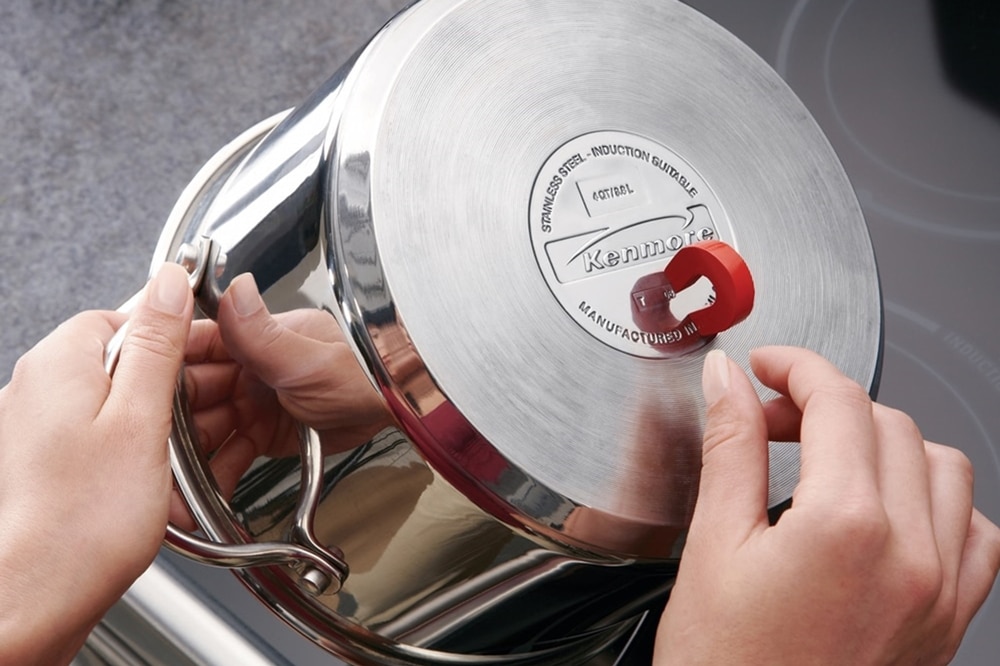
To work, the pot must be magnetic. Stainless steel or cast iron pots work well. If a magnet sticks to the bottom, it is good for induction. Glass, copper, or aluminum pots do not work. They need an adapter disk to work on induction. This helps them heat up.
Induction cooktops need special cookware. The base must be flat and smooth. It should be magnetic. Some pots have labels saying “induction compatible.” This means they work with induction.
If pots are not magnetic, they need an adapter. The adapter is a metal disk. It goes between the pot and cooktop. It helps non-magnetic pots heat up. This is useful for glass or aluminum pots. Always check your pots before using them. This saves time and energy.
Adapting Non-induction Cookware
Induction discs can help use regular pans on induction stoves. Place the disc on the cooktop. Then, put your cookware on top. The disc acts as a bridge between the stove and the pan. It gets hot and transfers heat. This way, you can cook with any pan. Make sure the disc size matches the pan. A large disc might not heat evenly. Some discs have handles. They help in moving the disc safely. Remember, the disc can get very hot. So, use caution while cooking.
Some pans can be made induction-friendly. Adding an induction plate can help. Attach the plate to the bottom of the pan. It helps in conducting heat. Another way is using magnetic sheets. Place them under the cookware. This allows heat transfer. Not all methods work for every pan. Test them first. Ensure safety while handling hot items. Always check the compatibility before trying.
Tips For Effective Cooking
Adjusting the temperature is important. Low heat works for gentle cooking. High heat is for quick cooking. Non induction cookware may take longer. Patience is key. Use a thermometer for checking. Watch the food closely. Avoid burning or undercooking.
Keep cookware clean. Dirt affects cooking. Scrub carefully after use. Use warm water and soap. Dry with a towel. Avoid scratches on the surface. Check for damage often. Replace if broken or warped. Proper care extends its life.
Safety Considerations
Overheating can harm both the cookware and the cooktop. Use low to medium heat settings. Watch the cooking process closely. Never leave cookware on without food. Empty pans can heat up quickly. This causes damage. Always keep an eye on the temperature. Use cookware with thick bottoms. They distribute heat evenly.
Place the cookware centered on the cooktop. This ensures even heat. Choose cookware with flat bottoms. Ensure the bottom is smooth. This prevents scratches. Use a converter disk if needed. It allows non-induction cookware to work. Clean the cooktop regularly. This maintains efficiency. Avoid sliding cookware. Lift them gently to avoid damage. Follow manufacturer guidelines for best results.
Credit: www.frigidairearabia.com
Alternative Solutions
Investing in cookware that works with induction is smart. Induction-compatible cookware has a magnetic base. Stainless steel and cast iron are good choices. They heat food fast. Aluminum and copper are not good for induction. Buy a magnet to test your pans. If it sticks, the pan will work. This ensures your cooking is safe and efficient.
There are ways to use non-induction pans. Use an induction interface disk. This disk is a metal plate. Place it between the cooktop and the pan. It transfers heat to the pan. Be careful, as it may slow cooking. Another way is to buy portable induction cookers. These are small and can heat any pan. They are easy to store and use.

Credit: stahlkitchens.com
Frequently Asked Questions
What Happens If I Use Non-induction Pans On An Induction Hob?
Non-induction pans won’t heat on induction hobs. Induction hobs require magnetic cookware to generate heat. Use compatible pans for effective cooking. Induction hobs are energy-efficient and safe, reducing cooking times. Ensure your cookware is induction-ready to maximize hob performance. Using non-compatible pans leads to inefficient cooking and wasted energy.
How To Use Regular Cookware On An Induction Cooktop?
Use a magnetic converter disk between the cooktop and non-compatible cookware. Ensure cookware is flat-bottomed for even heating. Select cookware with ferrous metals for better results. Check if your cookware has an induction symbol. Always follow safety guidelines for induction use.
Can I Use My Old Pots On An Induction Cooktop?
Old pots work on induction cooktops only if they’re magnetic. Test by using a magnet on the pot’s base. If it sticks, it’s compatible. Copper, glass, and aluminum pots usually won’t work unless they have a magnetic layer. Invest in induction-friendly cookware for optimal performance.
Why Is My Non Stick Pan Not Working On Induction Stove?
Non-stick pans often lack magnetic materials needed for induction stoves. Check for induction compatibility or use an induction adapter. Induction stoves require cookware with a magnetic base to function effectively. Consider buying induction-friendly cookware if your non-stick pan isn’t working.
Conclusion
Using non-induction cookware on an induction cooktop is possible. Use a converter disk for the best results. Choose the right size for your cookware. Ensure proper contact with the cooktop surface. Always monitor your cooking to avoid mishaps. Be mindful of the heat settings.
Induction cooking offers efficiency and speed. But, with a little creativity, any cookware can work. Safety should be your priority at all times. Experiment and find what works best for your kitchen. Enjoy your cooking adventures with confidence and ease.