
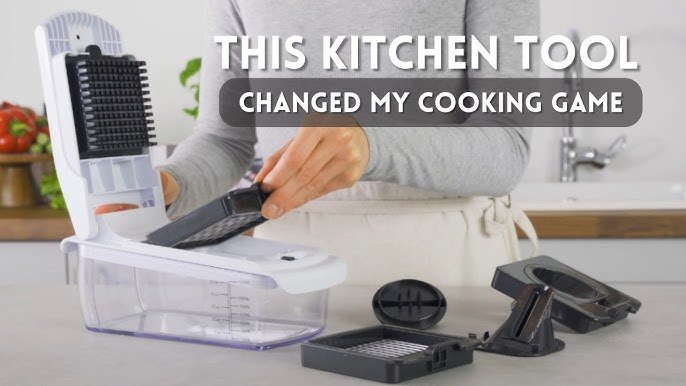
Are you tired of spending too much time chopping veggies or slicing meats every time you plan your meals? What if you could make meal prep faster, easier, and even more enjoyable?
Using a home slicer can transform the way you organize your kitchen and plan your meals. Imagine having perfectly sliced ingredients ready to go, saving you precious minutes and reducing stress. You’ll discover simple tips and tricks to use your home slicer like a pro, helping you create delicious meals with less effort.
Keep reading, and you’ll never look at meal planning the same way again.

Credit: www.amazon.ca
Benefits Of A Home Slicer
A home slicer helps cut food quickly and evenly. It saves time and effort in meal prep. Slices are uniform, which makes cooking easier and food look better.
It works well with vegetables, cheese, and meats. You can adjust the thickness for different recipes. This tool reduces waste by slicing thin or thick as needed.
- Faster meal prep:Cuts food quickly and saves time.
- Consistent slices:Makes cooking and presentation easier.
- Adjustable thickness:Works for many foods and recipes.
- Less waste:Precise slicing reduces food scraps.
- Easy to use:Simple controls suit all skill levels.
Credit: www.walmart.com
Choosing The Right Slicer
Choosing a slicer with adjustable thickness helps prepare meals faster and more evenly. A sharp, easy-to-clean slicer saves time and effort in meal planning. Selecting the right size fits your kitchen space and food types perfectly.
Manual Vs Electric Models
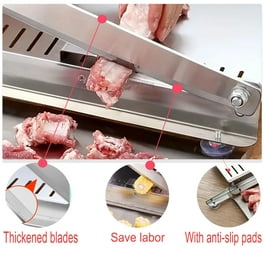
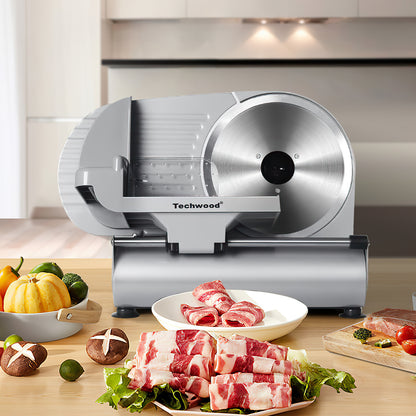
Manual slicersare simple and easy to use. They need no power and are often cheaper. Electric slicerssave time and effort. They cut food faster and more evenly. Choose based on how often you will use the slicer and your budget.
Size And Capacity
The size of the slicer should match your kitchen space. Think about the types of food you will slice. Larger slicers can handle big items like whole meats. Smaller slicers work well for bread and vegetables. Capacity matters for meal planning efficiency.
Safety Features
- Look for slicers with blade guardsto protect fingers.
- Non-slip bases keep the slicer steady during use.
- Safety locks prevent the slicer from turning on by accident.
Preparing Ingredients For Slicing
Select foodsthat are firm and not too soft. Good choices include carrots, cucumbers, potatoes, and apples. Avoid foods that are very soft or mushy, as they may not slice well.
Always wash food properlyto remove dirt and germs. Use clean water and scrub if needed. Dry the food wellto prevent slipping during slicing and to get even slices.
Chilling food before slicing helps make cleaner, thinner slices. Place the food in the fridge for at least 30 minutes. Cold foods are easier to slice and hold their shape better.
Credit: soilssolutions.com
Slicing Techniques For Meal Prep
Adjusting the thickness settingsallows control over slice size. Thinner slices cook faster and suit salads or sandwiches. Thicker slices work well for grilling or roasting. Always check the dial or lever before slicing. Small changes can affect meal texture and cooking time.
Consistency is key for even cooking and presentation. Hold the food firmly and slide it smoothly across the blade. Use a steady pace to avoid uneven slices. Clean the slicer blade between uses to keep cuts smooth and safe.
- Do not force food through the slicer; let the blade do the work.
- Keep fingers clear of the blade at all times.
- Use the food holder or pusher for safety and better control.
- Clean the slicer after every use to avoid buildup and dullness.
Time-saving Meal Planning Ideas
Batch slicing saves a lot of time during meal prep. Slice vegetables like onions, peppers, and carrots all at once. Store them in separate containers for easy use throughout the week. This way, cooking becomes faster and more organized.
Use sliced ingredients in many recipes such as salads, stir-fries, and sandwiches. Pre-sliced fruits like apples and oranges are great for quick snacks. Keep sliced cheese or deli meats ready to add to wraps or burgers.
| Storage Tips | Details |
|---|---|
| Use airtight containers | Keeps sliced foods fresh longer and prevents odors. |
| Label with date | Helps track freshness and avoid waste. |
| Refrigerate quickly | Prevents bacterial growth and keeps slices crisp. |
| Use within 3-5 days | Ensures best taste and safety of food. |
Cleaning And Maintenance
Cleaning a home slicer safely protects both the user and the tool. Always unplug the slicer before cleaning. Use a soft cloth or brush to remove crumbs and residue. Avoid using harsh chemicals that can damage the blade or plastic parts.
Blade care is vital. Wipe the blade gently with a damp cloth after each use. Dry it thoroughly to stop rust. Sharpen the blade regularly with a proper sharpening tool to keep it cutting smoothly.
| Maintenance Task | Frequency | Details |
|---|---|---|
| Cleaning | After every use | Unplug, wipe blade and surfaces, dry well |
| Blade Sharpening | Monthly or as needed | Use a sharpening tool, follow manufacturer instructions |
| Lubrication | Every 3 months | Apply food-safe oil to moving parts |
| Inspection | Weekly | Check screws and parts for tightness and wear |
Frequently Asked Questions
What Is A Home Slicer?
A home slicer is a kitchen gadget used for slicing food items like vegetables, fruits, and meats. It helps in creating uniform slices, enhancing presentation, and reducing preparation time. Home slicers are ideal for meal planning, ensuring consistency and saving effort during cooking.
How Does A Home Slicer Aid Meal Planning?
A home slicer streamlines meal planning by ensuring consistent slices, reducing prep time, and minimizing waste. It allows for precise portion control and helps in organizing ingredients efficiently. This results in quicker cooking and more appealing meals, making meal planning easier and more enjoyable.
Can A Home Slicer Improve Food Presentation?
Yes, a home slicer improves food presentation by creating uniform slices, enhancing visual appeal, and consistency. It helps in crafting aesthetically pleasing dishes, making meals more inviting. Consistent slices also ensure even cooking, contributing to better-tasting meals.
Is Using A Home Slicer Safe?
Using a home slicer is safe if you follow safety guidelines. Always use the hand guard and keep fingers away from the blade. Clean the slicer carefully after use, and store it securely. Regular maintenance ensures longevity and safety during use.
Conclusion
Using a home slicer makes meal planning quick and easy. You save time by slicing ingredients evenly and fast. This helps you prepare meals ahead without stress. Slicing vegetables, fruits, or meats becomes simple and neat. Your meals look better and taste fresh every day.
Try using your slicer often to enjoy healthy, balanced meals. Small steps like this improve your cooking routine. Keep practicing, and meal planning will feel less like a chore. A home slicer is a helpful tool for busy kitchens.