
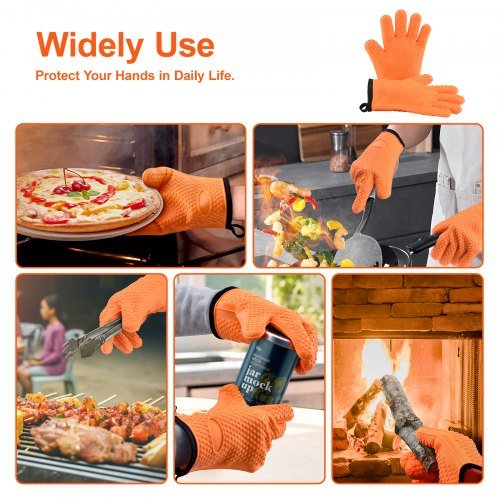
Imagine this: you’re in your kitchen, ready to fry up some delicious, crispy food, but you’re worried about those pesky oil splatters. What if there was a simple solution to keep your hands safe and comfortable while you cook?
That’s where the right pair of gloves comes in. Gloves can be a game-changer in your culinary adventures, providing protection and making frying a breeze. But how do you choose the right ones? And more importantly, how do you use them effectively?
In this guide, you’ll discover everything you need to know about using gloves for frying food. Dive in to learn how you can elevate your cooking experience and ensure your safety with just a pair of gloves. Keep reading; your hands will thank you!

Credit: www.amazon.com
Choosing The Right Gloves
Choosing the right glovesis important for frying food safely. Different materialsoffer various levels of protection and comfort.
- Silicone glovesresist heat well and are easy to clean.
- Cotton glovesare comfortable but offer less heat protection.
- Leather glovesprovide strong heat resistance but can be bulky.
Heat resistance levels vary by material. Some gloves can handle very hot oil, while others cannot. Always check the glove’s temperature rating.
| Material | Heat Resistance | Use |
|---|---|---|
| Silicone | Up to 450°F (232°C) | Best for frying and hot oil handling |
| Cotton | Up to 200°F (93°C) | Good for light cooking tasks |
| Leather | Up to 500°F (260°C) | Ideal for heavy-duty frying |
The size and fitof gloves matter for safety and ease. Gloves that are too loose can slip. Gloves that are too tight may restrict movement.
- Choose gloves that fit snugly but allow finger movement.
- Try on gloves before buying to check comfort.
- Proper fit helps avoid accidents with hot oil.
Preparing Gloves For Frying
Check gloves carefully for any holes, tears, or cracks. Damaged gloves can cause oil burns. Use only intact glovesfor frying.
Clean gloves with warm water and mild soap. Rinse them well to remove all soap. Dry gloves completely using a clean towelor air dry. Wet gloves can cause slippingor accidents.
- Wear gloves that fit snuglybut comfortably.
- Make sure gloves cover wrists to protect from splashes.
- Avoid folding or rolling glove edges, to keep a seal.
- Use gloves made of heat-resistant materialfor frying.
Safety Practices While Frying
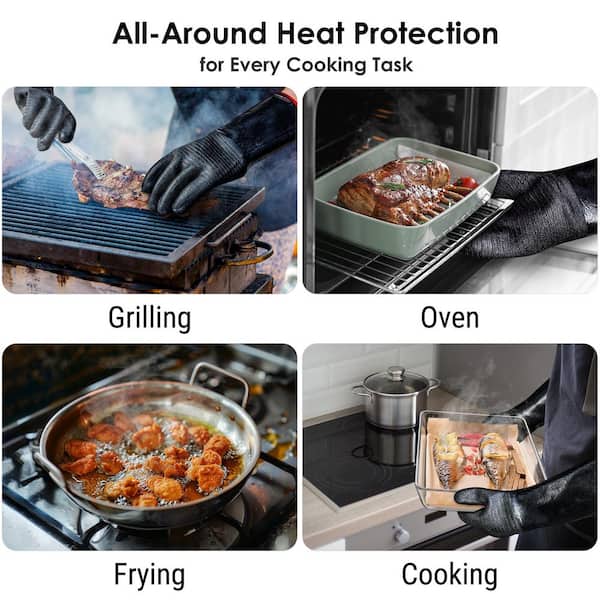
Oil splashescan cause burns. Wearing thick, heat-resistant gloves helps keep hands safe. Gloves should cover wrists and fit snugly to stop oil from touching skin. Keep your hands steady to avoid sudden splashes. Use a long-handled tool to reduce risk.
Handling hot utensils needs care. Gloves protect from heat and prevent burns. Always hold pots and pans firmly. Avoid wet or slippery gloves that can cause accidents. Let hot utensils cool before cleaning.
- Grip:Use gloves with textured surfaces for better hold.
- Dexterity:Choose gloves that allow finger movement.
- Check fit:Gloves too loose or tight reduce control.
Post-frying Glove Care
Remove gloves carefully to avoid touching the outside part. Pinch the glove at the wrist and pull it off inside out. Hold the removed glove in the gloved hand. Slide fingers of the bare hand under the wrist of the remaining glove. Pull it off inside out, covering the first glove. Dispose of gloves properly in a trash bin.
Clean gloves if they are reusable. Use warm water and mild soap. Rinse thoroughly and let them dry completely. Store gloves in a cool, dry place. Keep them away from direct sunlight and heat.
| When to Replace Gloves | Reason |
|---|---|
| Gloves tear or puncture | Protection fails |
| Gloves get very dirty | Hard to clean properly |
| After long use | Material weakens |
Common Mistakes To Avoid
Using gloves that are not made for heat can cause burns or accidents. Always choose heat-resistant glovesfor frying tasks.
Damaged gloves lose their protection. Check gloves for holes or tears before use. Replace gloves immediately if damaged.
Clean hands help keep food safe. Wash hands before putting on gloves. Dirty hands can spread germs even with gloves.

Credit: www.amazon.com
Credit: www.homedepot.com
Frequently Asked Questions
What Type Of Gloves Are Best For Frying Food?
Heat-resistant, food-safe gloves made of silicone or Kevlar are best. They protect from burns and ensure safety while frying.
How Do Gloves Improve Safety When Frying Food?
Gloves provide a barrier against hot oil splashes and high temperatures. They reduce the risk of burns and accidents in the kitchen.
Can I Reuse Gloves For Frying Food?
Reusable gloves made from durable materials can be cleaned and reused. Single-use gloves should be discarded after one use to maintain hygiene.
Are Gloves Necessary For Deep Frying At Home?
While not mandatory, gloves add extra protection against hot oil burns. They are highly recommended for safer deep frying practices.
Conclusion
Using gloves while frying keeps your hands safe and clean. It helps prevent burns and stops oil from sticking to your skin. Choose gloves that resist heat and fit well. Always check gloves for holes before cooking. Clean or change gloves after use to stay hygienic.
Wearing gloves makes frying easier and safer every time. Try these tips to protect your hands while cooking delicious fried food. Safety matters, so don’t forget your gloves next time you fry!