
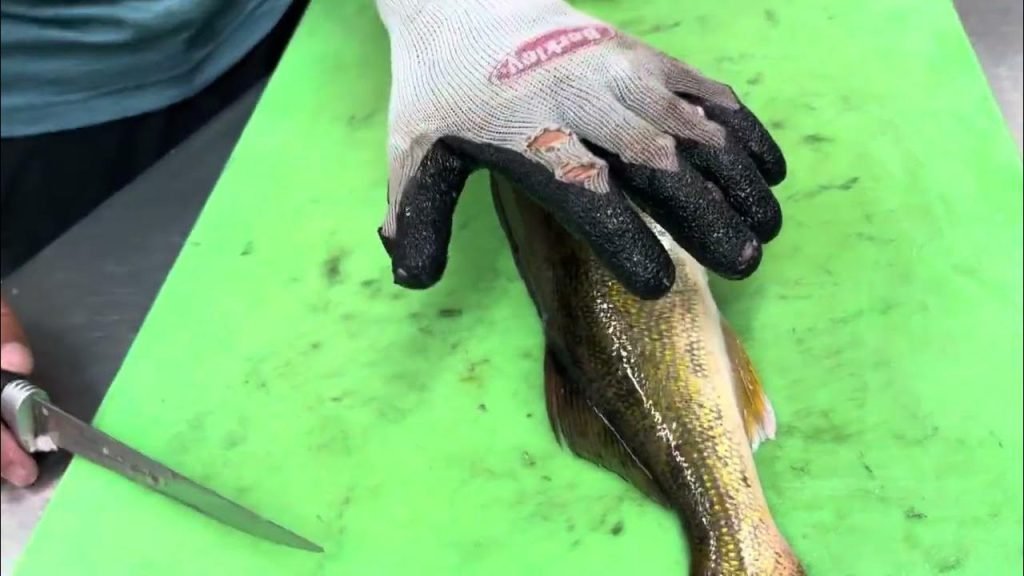
Are you tired of struggling with slippery fish and risking cuts every time you try to fillet? There’s a simple solution that can transform your fish filleting experience: using gloves.
You might be wondering how a pair of gloves can make such a difference. Well, imagine having a firm grip on the fish, feeling confident and safe as you slice through with precision. This isn’t just about safety—it’s about enhancing your control and efficiency.
In this guide, you’ll discover exactly how to use gloves for filleting fish, ensuring each cut is smooth and each fillet is perfect. Stay with us, and learn how to elevate your skills and enjoy your fish preparation more than ever before.
Choosing The Right Gloves
Choosing the right gloves is key for safe fish filleting. Gloves come in different materials, each with unique benefits. Nitrilegloves offer good grip and are waterproof. Neoprenegloves keep hands warm and dry. Cut-resistantgloves protect against knife slips.
Sizing matters. Gloves should fit snugly but not tight. Too loose gloves reduce control and safety. Too tight gloves cause discomfort and limit movement.
| Cut Resistance Ratings | Protection Level | Use Case |
|---|---|---|
| Level 1 | Basic protection | Small fish or light filleting |
| Level 3 | Medium protection | Most filleting tasks |
| Level 5 | High protection | Heavy-duty filleting or sharp knives |
Preparing Gloves For Filleting
Gloves must be cleaned and sanitizedbefore filleting fish. Use warm water and soap to wash them well. Rinse thoroughly to remove all soap. Then, soak gloves in a mild bleach solution for a few minutes. This kills bacteria and keeps gloves safe to use. After soaking, rinse gloves again with clean water. Let them air dry completely before wearing.
Check gloves for any damagebefore filleting. Look for holes, tears, or thin spots. Damaged gloves can let fish juices touch your skin. This can cause slips or infections. Replace gloves immediately if damage is found. Using intact gloves keeps hands safe and clean during fish filleting.
Proper Glove Techniques
Wearing gloves properly is key to safe and clean fish filleting. Choose gloves that fit snuglywithout being too tight. This helps keep your hands comfortableand protected. Make sure the gloves cover your wrists to avoid slipping fish juices inside.
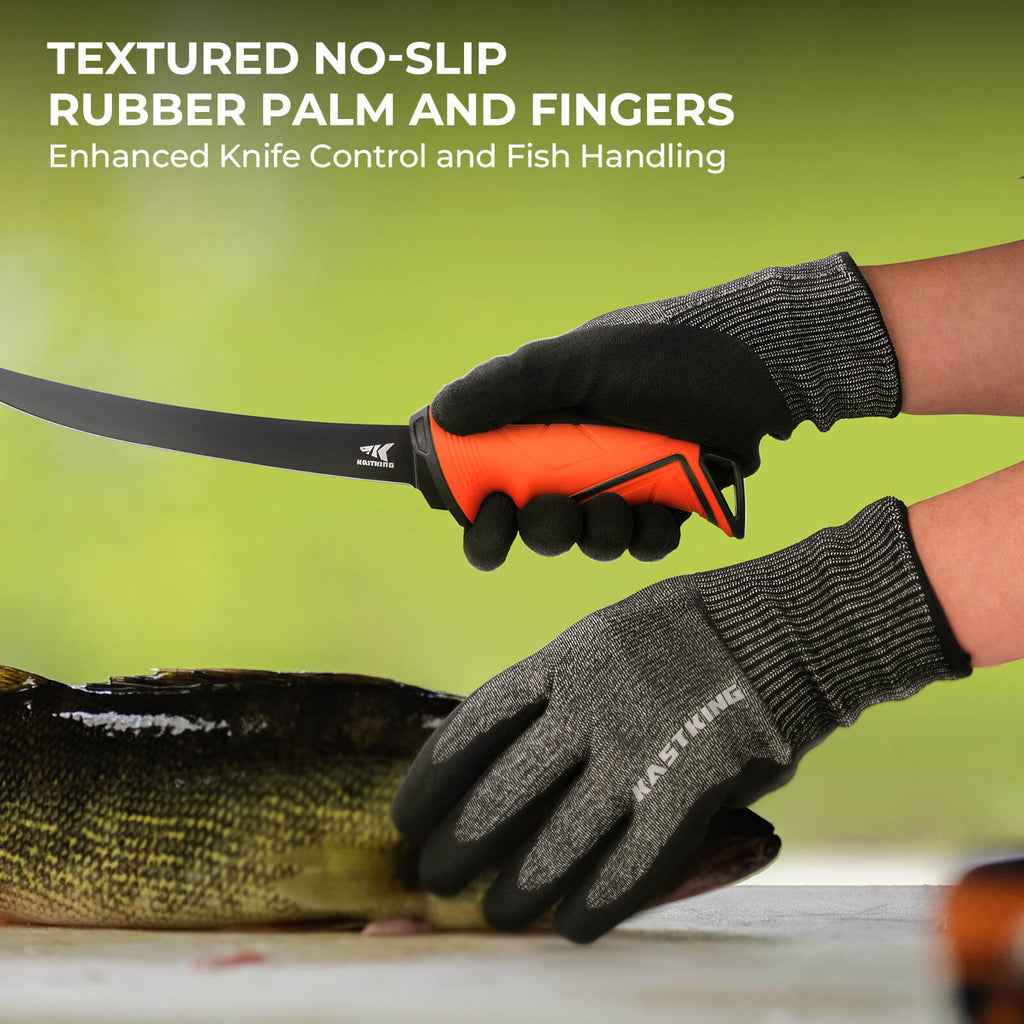
Maintaining grip and dexterity is crucial. Use gloves made of non-slipmaterials like nitrile or latex. These provide a firm hold on slippery fish. Thin gloves keep your fingers flexible and sensitive, allowing precise cuts.
- Check gloves for holes or tears before use.
- Keep gloves dry; wet gloves reduce grip.
- Change gloves if they become too slippery or dirty.
- Practice handling fish with gloves to improve skill.

Credit: www.reddit.com
Filleting Steps With Gloves
Place the fish on a clean, flat surface.Hold it firmly to stop slipping. Keep the fish steady with your gloved hand. The gloves help protect your hands and give a better grip. Align the fish so the head points away from you.
Use a sharp fillet knife with a thin, flexible blade. Insert the knife behind the gills and cut down to the backbone. Slide the blade along the bones, slicing smoothly. Keep the knife angled slightly towards the bones to get most meat. Always cut away from your body to stay safe.
- Remove all bones using tweezers or pliers while wearing gloves.
- Start skin removal by cutting near the tail end.
- Hold the skin firmly and slide the knife between skin and flesh.
- Keep the blade flat to avoid cutting the skin.
Gloves protect your hands from cuts and fish slime. They make handling the fish easier and cleaner.
Safety Tips To Avoid Injuries
Using glovescan protect your hands from cutswhile filleting fish. Always hold the knife firmly and cut away from your body. Keep your fingers clear of the blade to avoid injuries.
Wear clean glovesto stop germs from spreading. Change gloves if they get torn or dirty. Wash your hands and tools before and after handling fish to prevent cross-contamination.
Fish and gloves can become slippery when wet. Use gloves with a grip textureto hold fish safely. Wipe surfaces dry often to keep control and avoid falls or slips.

Credit: www.amazon.ca
Aftercare For Gloves And Hands
Proper glove removalis important to avoid contamination. Start by peeling gloves off from the wrist. Turn them inside out as you remove them. This keeps dirt and fish oils away from your skin. Dispose of gloves safely in a bin.
Cleaning and storagehelp keep gloves in good shape. Rinse reusable gloves with cold water right after use. Use mild soap to remove fish smells. Let gloves air dry completely before storing. Keep them in a clean, dry place away from sunlight.
Hand hygiene practicesprotect your skin and health. Wash hands with soap and warm water after glove removal. Dry hands well with a clean towel. Use hand lotion if your skin feels dry or cracked. This prevents irritation and infections.
Credit: revival.edu.gh
Frequently Asked Questions
Why Use Gloves For Filleting Fish?
Gloves protect your hands from sharp knives and fish bones. They also improve grip on slippery fish, enhancing safety and precision during filleting. Additionally, gloves help maintain hygiene by minimizing direct contact with raw fish.
What Type Of Gloves Work Best For Filleting Fish?
Nitrile or cut-resistant gloves are ideal for filleting fish. Nitrile gloves offer good dexterity and fish protection. Cut-resistant gloves prevent injuries from sharp knives. Both types ensure safety and cleanliness during the filleting process.
How Do Gloves Improve Fish Filleting Safety?
Gloves reduce the risk of cuts and punctures from knives or bones. They provide a secure grip on slippery fish, preventing accidents. Wearing gloves also protects against fish slime and bacteria, promoting a safer and cleaner workspace.
Can Gloves Affect Filleting Precision?
Properly fitted gloves enhance grip without compromising finger sensitivity. This balance allows precise knife control when filleting fish. Choosing thin, flexible gloves ensures you maintain dexterity while protecting your hands.
Conclusion
Using gloves makes filleting fish safer and cleaner. Gloves protect your hands from cuts and fish slime. They also improve your grip on slippery fish. Choose gloves that fit well and feel comfortable. Clean gloves after use to keep them in good shape.
Practice filleting with gloves to gain confidence and skill. Enjoy your fresh, well-prepared fish every time. Simple steps can make a big difference in your fishing experience. Try gloves on your next fish filleting task. You will notice the ease and safety they bring.