
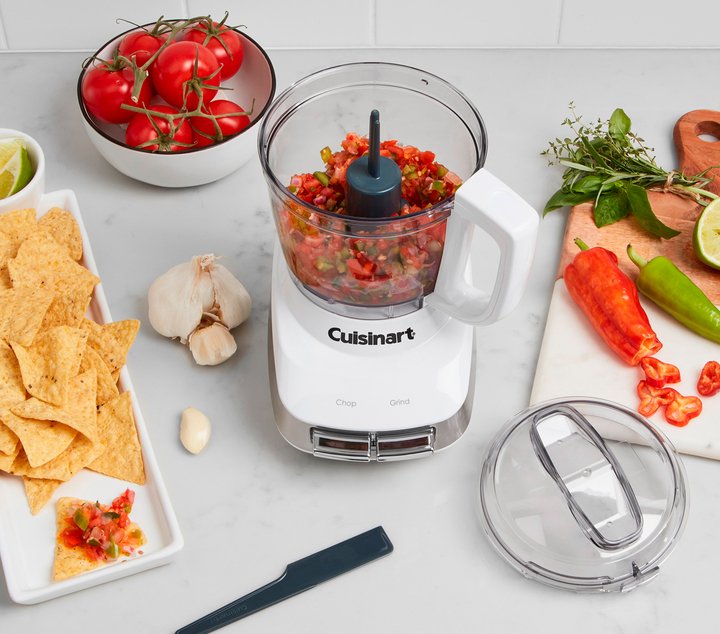
You’ve got a full-size food processor, but are you really getting the most out of it? Using this powerful kitchen tool efficiently can save you time, reduce mess, and make cooking a breeze.
Whether you’re chopping veggies, kneading dough, or blending sauces, mastering a few simple tips will help you work smarter, not harder. Keep reading to discover easy ways you can unlock your food processor’s full potential and transform your cooking experience.
Credit: www.youtube.com
Choosing The Right Model
Choosing the right food processor depends on capacity and size. Larger bowls hold more food, ideal for big meals. Smaller bowls suit quick, simple tasks. Consider the space in your kitchen for storage and use.
Power and motor strengthare key for tough jobs. A strong motor handles thick dough and hard vegetables with ease. Less power means the machine may struggle or overheat.
Look for essential attachmentslike slicing discs, shredders, and dough blades. These make the processor more useful and versatile. Some models come with extra bowls or lids for different tasks.
Credit: www.consumerreports.org
Setting Up Your Food Processor
Place the food processor on a flat surface and secure the bowl tightly. Attach the correct blade for your task before plugging it in. Ensure all parts click into place for safe and smooth operation.
Maximizing Performance
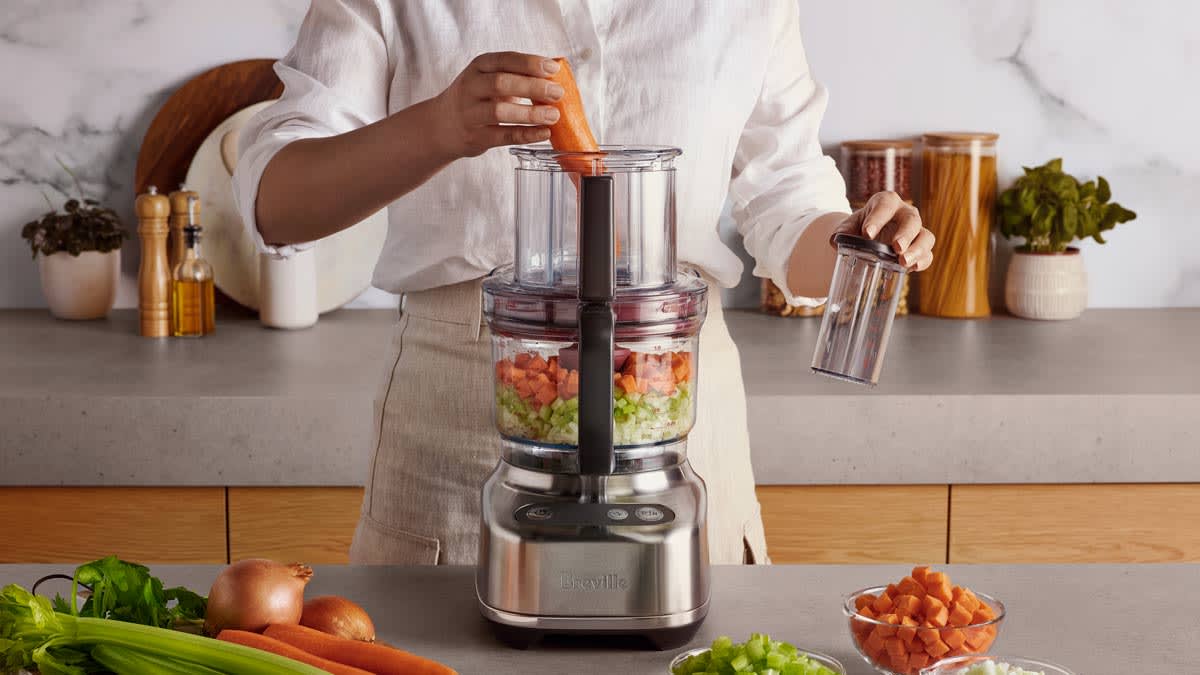
Cut ingredients into small, even pieces before placing them in the food processor. This helps the machine work faster and more evenly. Avoid putting large chunks that can strain the motor or cause uneven chopping.
The pulse function is great for controlling how much you chop. Use it for tasks like chopping nuts or making salsa. Different speed settings work best for various foods; use low speed for soft items and high speed for harder ones.
Do not fill the bowl past its maximum fill line. Overfilling can cause spills and make the processor work harder. It might also lead to uneven processing or damage the machine.
- Cut ingredients into smaller pieces
- Use pulse for better control
- Choose speed based on food type
- Never overfill the bowl
Maintaining Your Processor
Clean the food processor right after use. This stops food from drying and sticking. Use warm, soapy water to wash all parts except the motor base. Wipe the motor base with a damp cloth only.
Handle blades carefully to avoid cuts. Keep blades sharp for better performance. Use a blade sharpener or ask a professional for help. Dull blades can damage the machine and food.
Store the food processor in a dry place. Keep all parts together to avoid losing pieces. Cover the blades with a protective case to prevent accidents. Avoid stacking heavy items on top of the machine.
Troubleshooting Common Issues
Motor overheatinghappens if the processor runs too long without breaks. Let it rest after a few minutes of use. Make sure the vents are clean and not blocked. Overloading the bowl can also cause heat build-up. Use smaller amounts of food for smoother processing.
Unusual noisesoften mean something is stuck or parts are loose. Check for hard items like bones or pits. Tighten any loose screws or blades carefully. If noises continue, stop using the processor to avoid damage.
Ingredient jammingoccurs when food gets stuck between blades or walls. Cut large pieces into smaller bits before processing. Avoid very hard or sticky foods. Use the pulse button to control chopping speed and prevent jams.
Time-saving Techniques
Batch processingsaves time by preparing large amounts of food at once. Chop vegetables or nuts in one go. Store portions for later use to avoid repeated work.
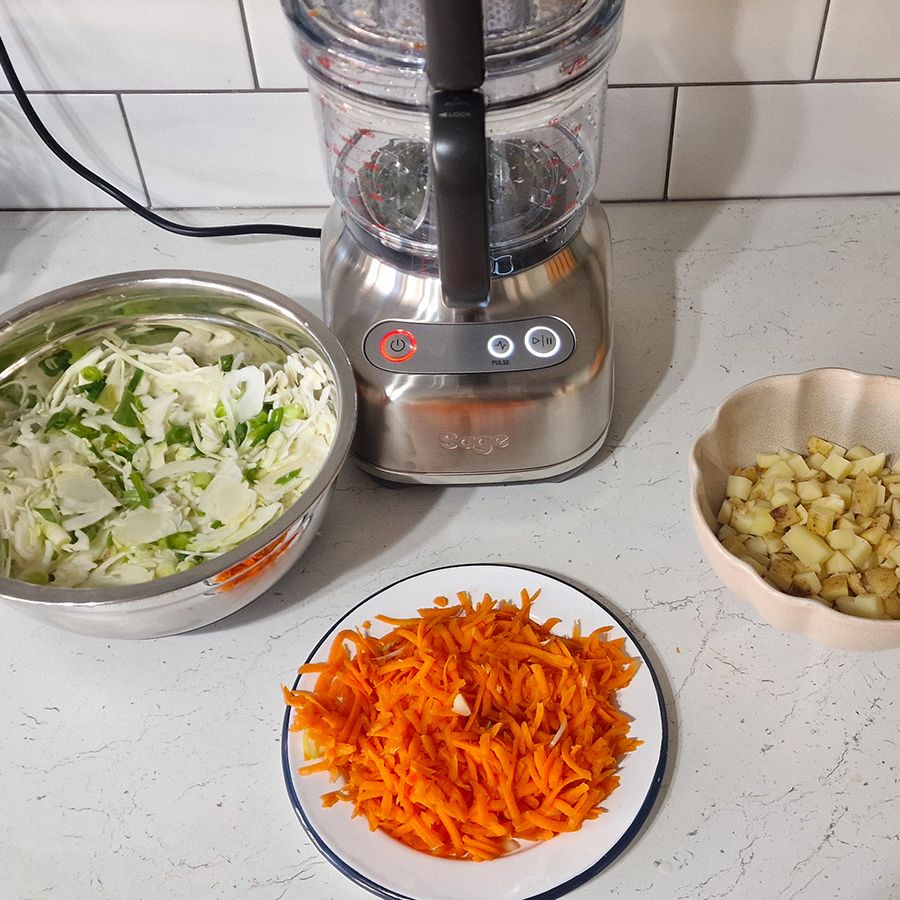
Multi-tasking with attachmentshelps complete tasks faster. Use the slicing, shredding, or dough blade without changing devices. Switch attachments quickly to handle different jobs in one session.
Recipe shortcutsreduce cooking time. Blend sauces or dressings directly in the processor bowl. Use it to mix batters or knead dough, cutting down on manual effort and time.
Credit: www.tomsguide.com
Frequently Asked Questions
What Are The Best Uses For A Full-size Food Processor?
A full-size food processor excels at chopping, slicing, shredding, and pureeing large quantities quickly. It’s perfect for dough making, vegetable prep, and nut grinding. This versatility saves time and effort in the kitchen, making meal prep efficient and convenient.
How Do I Maintain My Full-size Food Processor?
Clean all removable parts after each use with warm, soapy water. Avoid immersing the motor base. Regularly check blades for sharpness and replace if dull. Proper maintenance ensures safety, extends lifespan, and keeps the processor working efficiently.
Can I Process Hot Foods In A Full-size Food Processor?
It’s best to avoid processing very hot foods to prevent damage or injury. Let hot ingredients cool slightly before adding them. This practice protects the motor and prevents steam buildup inside the bowl.
How Do I Prevent Overfilling My Food Processor?
Always follow the manufacturer’s maximum fill line to avoid overloading. Process in batches if needed. Overfilling can cause uneven chopping or motor strain, reducing efficiency and potentially damaging the appliance.
Conclusion
Using a full-size food processor saves time and effort in the kitchen. Clean and prepare ingredients before starting. Always use the right blade for each task. Avoid overfilling to keep the machine running smoothly. Regularly check and maintain your processor for best results.
Practice these tips, and cooking becomes easier and faster. Enjoy fresh meals with less hassle every day. Simple steps lead to great kitchen help.