
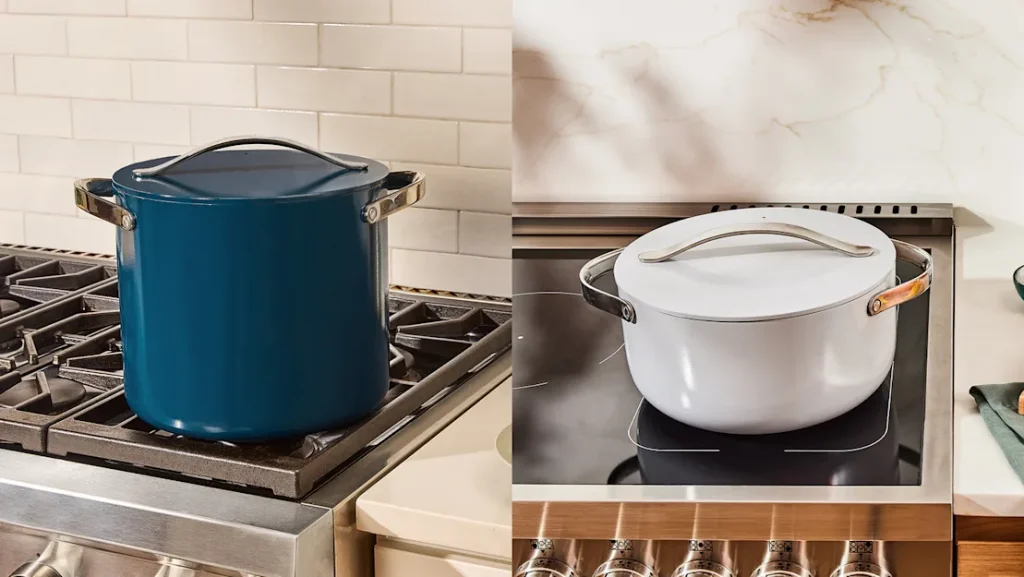
Are you looking for a simple way to make rich, flavorful stocks right at home? Your Dutch oven might be the secret weapon you’ve been overlooking.
Using your Dutch oven as a stock pot can transform ordinary kitchen scraps into a delicious base for soups, stews, and sauces. You’ll discover easy steps to get the most from your Dutch oven, save money, and elevate your cooking.
Keep reading to unlock the full potential of this versatile tool and impress your family with homemade stock that tastes like it came from a professional kitchen.
Choosing The Right Dutch Oven
A good Dutch oven for stock should be large and heavy. Look for one that holds at least 6 quarts. This size gives enough room for bones and vegetables.
Choose a Dutch oven with thick walls. It helps heat spread evenly and keeps the stock warm for a long time.
Consider the material. Cast ironor enameled cast ironis best. They keep heat steady and do not react with food.
Pick a Dutch oven with a tight-fitting lid. This stops steam from escaping and helps the stock stay rich and flavorful.
Make sure the Dutch oven is easy to clean. Smooth surfaces are better to avoid stuck bits of food.

Credit: food52.com
Preparing The Dutch Oven
Clean the Dutch oven thoroughly using warm water and mild soap. Avoid harsh detergents that can damage the surface. Dry it completely to prevent rust. Season the Dutch oven by rubbing a thin layer of cooking oil inside and out. Bake it in the oven at 350°F (175°C) for one hour. This builds a natural, non-stick surface and protects the pot.
Preheating the Dutch oven slowly is important. Place it on low heat and increase gradually. Avoid placing a cold pot on high heat to prevent cracking. Let the pot warm up evenly before adding ingredients. This helps keep the heat steady during cooking.
Cooking Techniques
Simmering and boiling in a Dutch oven work well because it holds heat evenly. The thick walls keep the temperature steady. This helps food cook slowly and fully. Use low to medium heat for simmering. Boiling requires higher heat but watch carefully to avoid overflow.
Maintaining even heat is easy with a Dutch oven. Its heavy lid traps steam and moisture. This makes soups and stocks rich and flavorful. Use a burner that matches the pot size. Avoid very high heat to prevent burning. Stir occasionally to keep food from sticking.
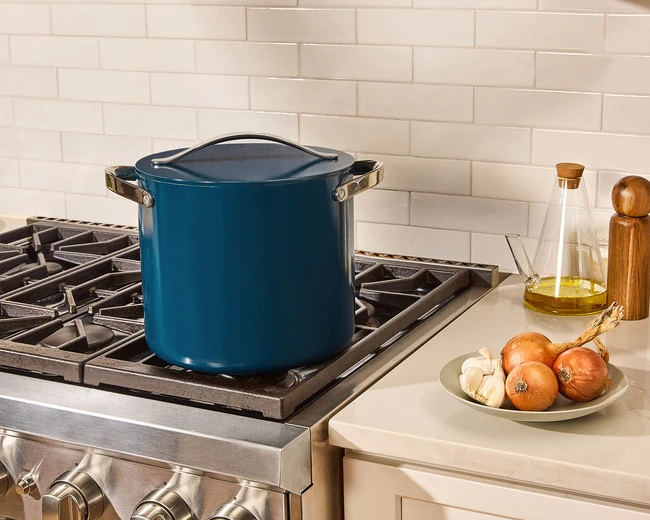
Credit: www.carawayhome.com
Enhancing Flavors
Adding aromaticslike onions, garlic, and celery brings deep flavor to the stock. These ingredients release natural oils that enrich the liquid. Sauté them gently in the Dutch oven before adding water or broth.
Layering ingredientshelps build taste step by step. Start with bones or meat, then add vegetables and herbs. Place heavier items at the bottom for even cooking. Pour liquid last to cover all ingredients fully.
Managing Cooking Times
A dutch ovenis thicker and holds heat longer than a regular stock pot. This means cooking times may be slightly longer. Smaller sizes heat faster but hold less liquid. Larger dutch ovens take more time to reach the right temperature.
Adjust cooking times by checking food often. Stir occasionally to avoid sticking or burning. Use low to medium heatto keep a steady simmer.
- Use lower heat to prevent food from burning.
- Watch the liquid level and add more if needed.
- Remove the lid sometimes to check the cooking progress.

Credit: food52.com
Safety Tips
Always use thick oven mitts when holding a hot Dutch oven. The handles get very hot and can cause burns. Set the pot on a heat-safe surface to cool down. Avoid touching the hot lid directly; use a cloth or mitt.
Never fill the Dutch oven too full. Overfilling can cause hot liquid to spill out. Leave space at the top for boiling or bubbling. This keeps your cooking area safe and clean.
Cleaning And Maintenance
Clean your Dutch oven with warm water and mild soap after making stock. Avoid harsh scrubbing to protect the surface. Dry it well to prevent rust and keep it ready for the next use.
Post-cooking Cleaning
Allow the Dutch oven to cool downbefore cleaning. Use warm water and a soft sponge to clean. Avoid harsh scrubbers; they can damage the surface. For stuck food, soak in warm water for a while. Use mild soap only if necessary, as strong soap can affect seasoning. Dry the pot fully with a soft towel to prevent rust.
Proper Storage
Store the Dutch oven in a dry place. Keep the lid slightly ajar to allow air flow. Avoid stacking heavy items on top to prevent damage. Applying a thin layer of oil inside helps maintain seasoning and stops rust. Check the pot regularly for any signs of rust or damage.
Benefits Of Using A Dutch Oven
A Dutch oven offers great versatilityin the kitchen. It can be used for boiling, simmering, and slow cooking. This makes it perfect as a stock pot. You can prepare soups, stews, and broths easily. Its thick walls and heavy lid keep heat and moisture inside, helping flavors to develop well.
The durabilityof a Dutch oven is one of its best features. Made from cast iron or heavy materials, it lasts for many years. It can handle high heat and is resistant to chipping or cracking. With proper care, it becomes a kitchen tool you can trust for a long time.
Frequently Asked Questions
Can A Dutch Oven Replace A Traditional Stock Pot?
Yes, a Dutch oven can replace a stock pot effectively. Its thick walls retain heat well and distribute it evenly. This makes it ideal for slow simmering stocks and broths. Plus, it’s versatile for other cooking methods like braising and roasting.
How Do You Use A Dutch Oven As A Stock Pot?
To use a Dutch oven as a stock pot, fill it with bones, vegetables, and water. Bring it to a boil, then reduce to a simmer. Cover and cook slowly for several hours to extract flavors fully.
What Are The Benefits Of Using A Dutch Oven For Stock?
Using a Dutch oven helps maintain steady heat for long cooking. Its heavy lid traps moisture and nutrients inside. The enamel coating prevents sticking and makes cleaning easier. This results in rich, flavorful, and clear stock.
Can I Make Vegetable Stock In A Dutch Oven?
Absolutely, a Dutch oven is perfect for vegetable stock. Add chopped vegetables, herbs, and water, then simmer gently. The pot’s heat retention extracts deep flavors. It’s easy to monitor and adjust seasoning throughout cooking.
Conclusion
Using a Dutch oven as a stock pot works well for many recipes. It holds heat evenly and cooks ingredients slowly. This helps bring out rich flavors in your stocks and soups. The heavy lid keeps moisture inside, making your broth taste better.
Cleaning is simple, and the pot lasts a long time. Try using your Dutch oven to make hearty stocks at home. You will enjoy the deep, tasty results every time. Cooking with this pot is easy and rewarding. Give it a try and see the difference.