

If you work with deli meats, you know how important it is to get perfect slices every time. Using a commercial slicer can make your job faster, easier, and more professional.
But if you’re not sure how to use it right, you might end up with uneven cuts or waste valuable meat. This guide will show you exactly how to use a commercial slicer to get clean, consistent slices quickly and safely.
Stick with me, and you’ll master this tool in no time—impressing your customers and saving yourself a lot of hassle. Ready to become a slicing pro? Let’s dive in!
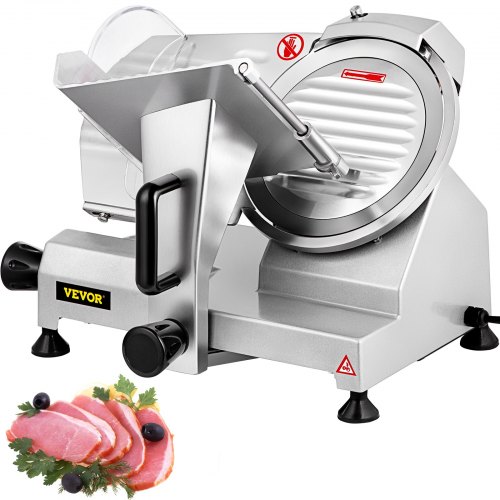
Credit: www.vevor.com
Choosing The Right Commercial Slicer
Commercial slicers come in different types. Manual slicers need human effort. Automatic slicers work by themselves. Gravity feed slicers use gravity to move meat. Vertical slicers keep meat upright. Choose based on your need.
Look for sharp blades for clean cuts. A powerful motor helps slice thick meats. Adjustable thickness offers flexibility. Durable material ensures long use. Easy cleaning saves time. Safety features are crucial to prevent accidents.
Check for safety certifications before buying. NSF certification ensures food safety. UL certification checks electrical safety. CE marking is for European standards. Certifications mean the slicer is safe.

Credit: www.techwood.online
Preparing The Slicer For Use
Cleaning and sanitizingthe slicer before use is very important. Use warm water and mild soap to clean all parts. Rinse well to remove soap. Sanitize with a food-safe solution to kill germs. Dry all parts with a clean cloth to avoid rust.
Blade installation and adjustmentrequire care. Make sure the slicer is unplugged. Insert the blade carefully onto the motor shaft. Tighten the blade securely but do not overtighten. Adjust the blade guard to keep the blade safe during use.
| Setting | Description |
|---|---|
| Thickness | Turn the knob to choose how thick slices should be. Start with thin slices for deli meats. |
| Speed | Adjust the slicer speed for smooth cutting. Slower speed works well for delicate meats. |
Slicing Techniques For Deli Meats
Place the meat firmly on the slicer tray. Ensure it does not move while slicing. This helps to get even slicesevery time. Use the slicer guard to hold the meat safely.
Set the thickness dial to the desired size. Keep it steady to maintain consistent thickness. Thin slices work well for sandwiches. Thicker ones suit salads or platters.
- Soft meats like turkey need gentle pressure.
- Harder meats such as salami require steady slicing.
- Adjust speed to handle different textures smoothly.
Safety Practices During Operation
Always wear protective glovesand cut-resistant sleevesto avoid injuries. Safety glasses protect eyes from small flying particles. Use a hairnet and apron to keep clean and safe.
Keep hands away from the blade. Use the food pusher to move deli meats. Never try to stop the blade with your hands. Always hold the meat firmly, but safely.
| Emergency Procedure | Action |
|---|---|
| Blade stops suddenly | Turn off power and check for jams |
| Injury occurs | Stop machine and seek first aid immediately |
| Power failure | Turn off machine and wait for power return |
Cleaning And Maintenance Tips
Clean the slicer after every use to keep it safe and working well. Remove meat scraps and wash all parts with warm, soapy water. Dry all pieces completely to stop rust.
Check the blade sharpness often. A dull blade can tear meat and cause accidents. Use the built-in sharpener or a professional tool to keep the blade smooth and sharp.
| Preventive Maintenance Task | Purpose | Frequency |
|---|---|---|
| Lubricate moving parts | Keep slicer running smoothly | Weekly |
| Check screws and bolts | Ensure slicer parts are secure | Monthly |
| Inspect power cord | Prevent electrical hazards | Monthly |
Troubleshooting Common Issues
Uneven slicesoften happen due to incorrect blade alignment or food placement. Make sure the meat rests flat against the carriage. Adjust the thickness knob to your desired setting and keep the meat steady while slicing.
Blade dullnesscauses rough or torn slices. Check the blade regularly for sharpness. Use a sharpening stone or tool designed for your slicer. Replace the blade if it becomes too worn to sharpen.
Mechanical malfunctionscan include issues with the motor, belt, or safety switches. Listen for strange noises and check for loose parts. Clean the slicer thoroughly after each use to prevent jams. Consult the user manual for troubleshooting steps or contact a professional if needed.
Maximizing Efficiency In Busy Kitchens
Batch slicing helps save time by cutting many deli meats at once. Prepare meats in groups to keep the slicer running smoothly. This reduces machine stops and starts, making the kitchen faster. Use consistent thickness settings to keep slices even and appealing. Plan batches by meat type to avoid flavor mixing.
- Train staff to use slicer safely and correctly.
- Show how to clean slicer after use to avoid contamination.
- Practice adjusting thickness settings for different meats.
- Encourage careful handling to prevent accidents.
Arrange your workspace so tools and meats are easy to reach. Place slicer near storage for quick access. Clear slicer area to avoid clutter and slips. Use trays to move sliced meats efficiently. Keep waste containers close to the slicer for fast cleanup.
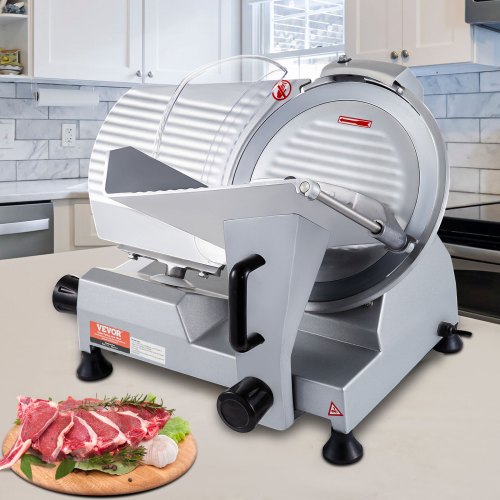
Credit: www.vevor.com
Frequently Asked Questions
How Do I Safely Operate A Commercial Slicer?
Always use the safety guard and keep hands clear of the blade. Turn off the slicer when adjusting or cleaning it. Follow the manufacturer’s instructions carefully to avoid accidents.
What Thickness Settings Are Best For Deli Meat Slicing?
Set the slicer to 1/16 to 1/8 inch for thin, even deli slices. Adjust thickness based on meat type and customer preference.
How Often Should I Clean A Commercial Meat Slicer?
Clean the slicer after each use to prevent bacteria buildup. Use warm, soapy water and sanitize all parts thoroughly.
Can I Slice Frozen Deli Meats With A Commercial Slicer?
Avoid slicing frozen meats as it can damage the blade. Thaw meats completely for smooth, even slices and safer operation.
Conclusion
Using a commercial slicer makes cutting deli meats fast and easy. Keep the blade sharp and clean for best results. Always follow safety steps to avoid accidents. Adjust thickness to suit your taste or recipe. Regular care helps the slicer last longer.
With practice, slicing deli meats becomes simple and neat. Enjoy fresh, evenly sliced meats every time. This tool saves time and effort in busy kitchens. Now, you are ready to slice like a pro!