
Imagine preparing a meal in your kitchen. You’re chopping vegetables, slicing meat, and perhaps handling some seafood.
But how do you ensure that your food is safe from cross-contamination? That’s where color-coded cutting boards come into play. These handy kitchen tools are more than just a splash of color on your countertop; they are your frontline defense against foodborne illnesses.
By using different colors for different types of food, you can keep your meals safe and your kitchen organized. But how exactly should you use them, and why are they so effective? Stick around to discover how color-coded cutting boards can transform your cooking routine and give you peace of mind with every meal.

Credit: www.kimecopak.ca
Color Codes And Their Purpose
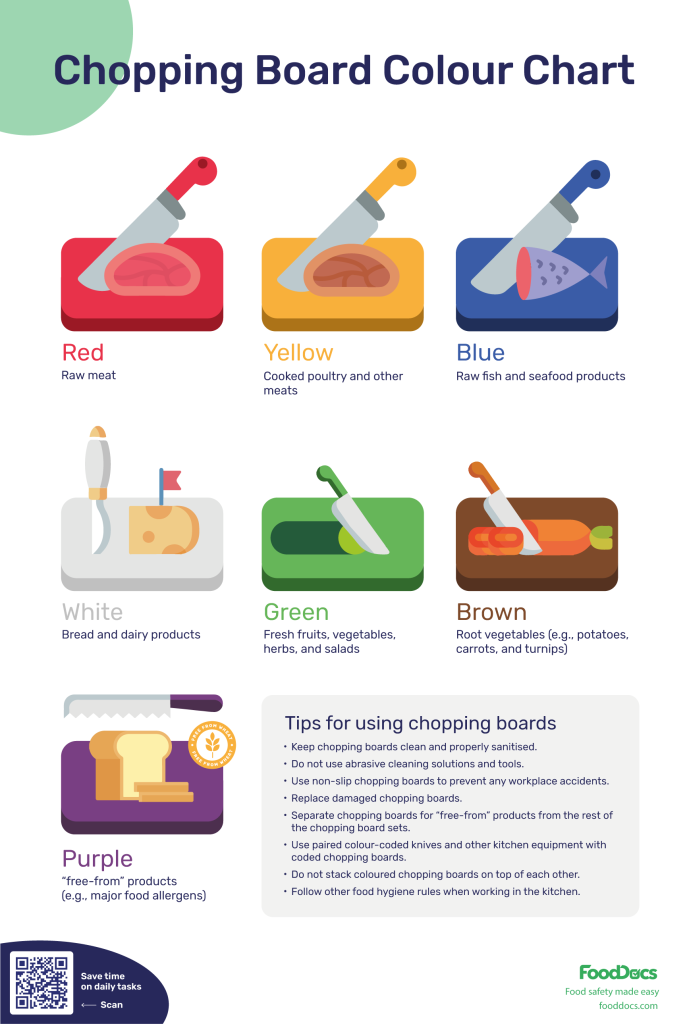
Color codinghelps keep food safe and kitchens clean. It stops germs from spreading from one food to another. Using different colors for cutting boards is easy to remember. Each color is linked to a type of food. This way, you know which board to use for meat, vegetables, or fish.
Using color-coded boards also saves time. You do not need to wash a board all the time. Just use the right board for the right food. This lowers the chance of food poisoning and keeps kitchens safe.
| Color | Food Type |
|---|---|
| Red | Raw Meat |
| Green | Vegetables and Fruits |
| Blue | Fish and Seafood |
| Yellow | Poultry |
| White | Dairy and Bakery |
Choosing The Right Cutting Board
Choosing the right cutting boardhelps keep food safe and your kitchen tidy. Different materials affect how well your board works. Plastic boards are easy to clean and good for raw meat. Wood boards last long and are gentle on knives but need extra care to avoid germs. Bamboo boards resist water but can be hard on knives.
Size matters too. Bigger boards give more space to work and keep juices from spilling. Thickness affects durability; thicker boards last longer and don’t warp easily. Think about the space in your kitchen and how you will use the board. A good size and thickness make cutting easier and safer.
Assigning Boards In Your Kitchen
Assign a different color to each food typeto avoid cross-contamination. For example, use a red boardfor raw meat and a green boardfor vegetables. This simple step helps keep food safe and clean.
Label each board clearly to remind everyone in the kitchen. Use stickers or permanent markers that won’t wash off easily.
Store the boards in a way that keeps them dry and clean. Hang them or place them upright in a rack. This stops bacteria from growing and makes them easy to grab.
| Color | Food Type |
|---|---|
| Red | Raw Meat |
| Blue | Fish and Seafood |
| Green | Vegetables and Fruits |
| Yellow | Cooked Meat |
| Brown | Root Vegetables |
| White | Bread and Dairy |
Cleaning And Maintenance
Clean cutting boardsright after use to stop germs. Use hot water and soap. Scrub well with a brush or sponge. Rinse off all soap. Dry completely with a clean towel or air dry.
Sanitize boards often. Use a solution of one tablespoon of bleach in one gallon of water. Soak or spray the board, then rinse. Let it dry fully before using again.
- Use different colored boardsfor each food type to avoid mixing germs.
- Keep raw meat boards separate from fruits and vegetables boards.
- Clean boards after each use to stop cross-contamination.
- Do not place cooked food on a board used for raw food without washing it first.
Best Practices For Safety
Cutting boards should be replaced as soon as they become cracked or deeply scored. These grooves can trap bacteria and make cleaning difficult. Using worn boards increases the risk of cross-contamination.
Training kitchen staff is essential for safety. Teach them the correct use of color-coded boards to avoid mixing raw and cooked foods. Regular reminders help maintain good habits.
- Inspect boards daily for wear and damage.
- Replace boards immediately if damaged.
- Explain color codes clearly to all staff.
- Conduct short training sessions regularly.
- Use signs or labels to reinforce rules.
Credit: www.wuchtonline.com
Common Mistakes To Avoid
Mixing cutting boards for different foods can cause cross-contamination. For example, using the same board for raw meat and vegetables spreads germs. Always use separate boards for meat, fish, vegetables, and cooked foods.
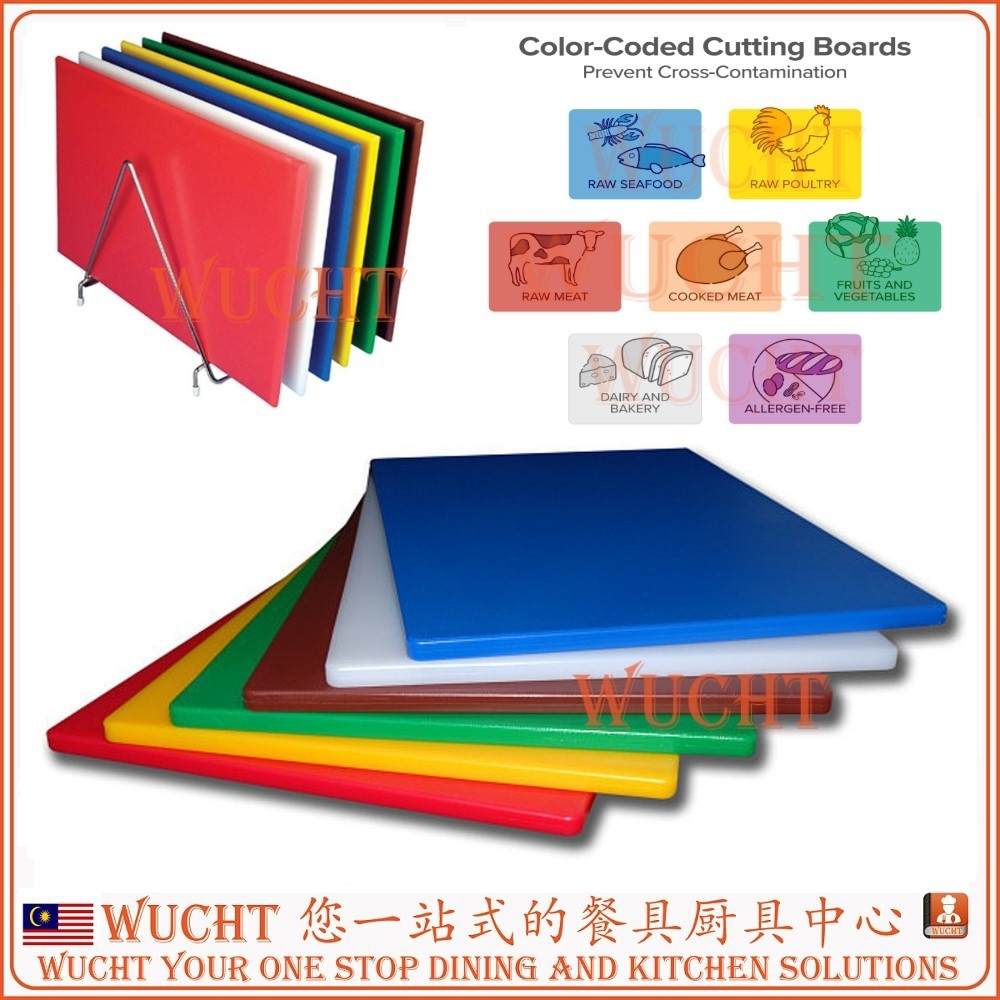
Ignoring color codes leads to confusion and risks food safety. Each color stands for a specific food type. Stick to the color system to keep foods safe and avoid illness.
- Red– Raw meat
- Blue– Raw fish and seafood
- Green– Fruits and vegetables
- Yellow– Cooked meats
- Brown– Root vegetables
- White– Dairy and bakery

Credit: www.amazon.ca
Frequently Asked Questions
What Are Color Coded Cutting Boards Used For?
Color coded cutting boards prevent cross-contamination in kitchens. Each color represents a specific food type, like meat or vegetables. Using them properly improves food safety and hygiene. It also helps keep your kitchen organized and clean during meal prep.
How Do You Assign Colors To Cutting Boards?
Assign colors based on food categories. For example, red for raw meat, green for vegetables, and blue for fish. This system stops bacteria transfer between foods. Clear labeling makes it easy for kitchen staff to follow safety rules.
Can Color Coded Boards Reduce Foodborne Illnesses?
Yes, color coded boards reduce foodborne illnesses. They stop bacteria from raw meat mixing with ready-to-eat foods. Proper use lowers contamination risks significantly. This improves overall kitchen safety for both home and commercial use.
How To Clean Color Coded Cutting Boards Properly?
Clean boards with hot, soapy water after each use. Sanitize with a bleach solution or vinegar to kill bacteria. Dry thoroughly to prevent mold. Regular cleaning maintains board safety and extends its lifespan.
Conclusion
Using color coded cutting boards keeps your kitchen safe and clean. It helps stop germs from spreading between foods. Each color has a clear job, making cooking easier. You save time by knowing which board to use. This simple habit protects your family’s health every day.
Try it in your kitchen to see the difference. Safe cooking starts with smart tools and good habits. Keep your food fresh and your cooking space neat. Small steps like this make big changes in safety.