

If you love espresso, you know that great coffee isn’t just about the beans. The right tools can turn your daily cup into a rich, flavorful experience.
But how do you use these coffee tools correctly? Whether you’re a beginner or want to improve your skills, this guide will show you simple, effective ways to master your espresso setup. By the end, you’ll feel confident and excited to make café-quality espresso right at home.
Ready to unlock the secrets behind your coffee tools? Let’s dive in!

Credit: home.lamarzoccousa.com
Essential Espresso Tools
Espresso machines are the heart of making espresso. They use pressure to push hot water through coffee grounds. This creates a rich and strong coffee shot.
Grinders are key for fresh espresso. Burr grinders are best because they give even coffee particle sizes. Adjust the grind size to match your machine and coffee type.
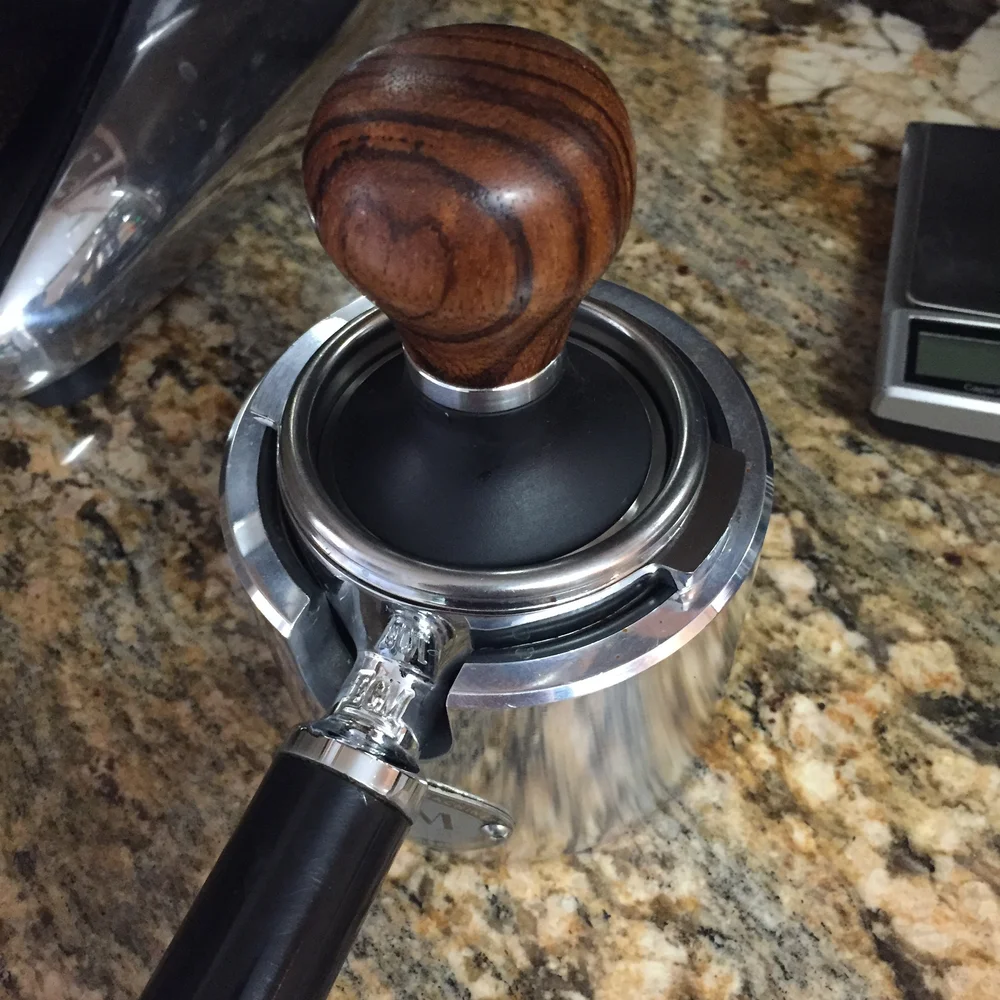
A tamper presses coffee grounds into the portafilter. A firm and even tamp helps water flow evenly. Choose a tamper that fits your portafilter size for best results.
The portafilter holds the coffee grounds during brewing. It has a handle and a basket. Look for sturdy material and a comfortable grip to make espresso easily.
Grinding For Perfect Espresso
The grind sizegreatly affects espresso taste. A fine grind is best for espresso to allow proper extraction. Too coarse, and the coffee will taste weak. Too fine, and it might be bitter or clog the machine.
Adjusting grinder settings helps find the perfect balance. Start with a fine grind and test your espresso. Change settings little by little until the taste and flow feel right.
Grinding freshbeans is better than using pre-ground coffee. Fresh grounds keep more flavor and aroma. Pre-ground coffee loses its freshness quickly and can make espresso taste dull.
Tamping Techniques
Proper pressureis key for good espresso. Use about 30 poundsof force. Press evenly to avoid water flowing too fast or slow. Too light means weak coffee; too hard can block water.
Leveling the coffee bedensures water passes through evenly. After dosing, tap the portafilter gently. This spreads the grounds flat. Then tamp straight down, not at an angle.
- Uneven tampingcauses bad extraction and sour taste.
- Too much pressuremakes coffee bitter and hard to extract.
- Not enough pressureleads to weak, watery espresso.
- Angled tampingcauses water to flow unevenly.
Credit: www.meticulist.net
Dialing In Your Espresso Shot
Using tools like tampers and scales helps control espresso shot quality. Adjust grind size and pressure to achieve the perfect taste. Consistent use of these tools ensures a balanced, smooth espresso every time.
Shot Timing And Volume
Shot timingis key to good espresso. A typical shot takes about 25 to 30 seconds. Too fast means under-extracted, too slow means over-extracted. The volumeof espresso should be about 1 to 2 ouncesfor a single or double shot.
Adjusting Dose And Grind
The doseis the amount of coffee used. Start with 18 to 20 gramsfor a double shot. The grind sizeaffects water flow. A finer grind slows water, a coarser grind speeds it up. Small changes make a big difference.
Evaluating Shot Quality
- Crema:Thick and golden means good extraction.
- Taste:Balanced with some sweetness, no bitterness.
- Flow:Steady and even, like warm honey.
Steaming And Frothing Milk
Steaming milk creates a smooth, creamy texture ideal for espresso drinks. Frothing adds light, airy bubbles to enhance flavor and presentation. Using a steam wand properly helps achieve the perfect milk consistency.
Choosing the right milk pitcher is key for great espresso. Use a stainless steel pitcher for better temperature control. A spout helps in pouring precise shapes. Pick a size based on how much milk you need. A 12-ounce pitcher works well for single cups. Steaming milk requires a steady hand. Position the steam wand just below the milk’s surface. Tilt the pitcher slightly for better movement. Listen for a gentle hissing sound. This means the milk is heating evenly. Microfoam is smooth and silky. It makes coffee delicious. Keep the steam wand near the surface. Move it in small circles. This creates tiny bubbles. Stop when the milk is warm to touch. Good milk texture helps create art. Make sure the milk is thick but pourable. Tilt your cup while pouring. Use gentle wrist movements. Practice makes perfect in creating beautiful designs. `
Credit: www.amazon.com
Cleaning And Maintenance
Cleaning espresso tools daily keeps coffee tasting fresh. Remove used coffee grounds and rinse the portafilter with warm water. Wipe the steam wand after every use to stop milk build-up. Use a damp cloth to clean the machine’s exterior.
Descaling stops mineral build-up inside the espresso machine. Use a descaling solution every 1-2 months. Follow the machine’s instructions carefully. Run the descaling liquid through the machine, then rinse with clean water to avoid taste changes.
Grinder care is important for smooth coffee making. Clean burrs regularly with a brush or grinder cleaner. Avoid using water on grinders to prevent damage. Check for worn burrs and replace them when needed. Keep the grinder dry and free from coffee oils.
Advanced Barista Tips
Try different coffee beans for unique flavors. Blend Arabica and Robusta. This mix gives a strong taste with a smooth finish. Single-origin beans offer distinct flavors too. Always keep beans fresh. Store them in airtight containers.
Measure coffee and water with a scale. This helps with consistency. Use a timer to track brewing time. Perfect timing enhances taste. Aim for 25-30 seconds for espresso shots. Adjust if needed for better results.
Water temperature affects coffee taste. Keep water around 195°F to 205°F. Use a thermometer to check. Too hot or cold water spoils flavor. Preheat cups for a warmer drink.
- Espresso tastes bitter? Check grind size and brewing time.
- Cream too thin? Increase coffee dose or adjust grind.
- Machine not working? Clean regularly to avoid blockages.
Frequently Asked Questions
What Essential Coffee Tools Are Needed For Espresso?
Essential tools include an espresso machine, grinder, tamper, and milk frother. These ensure precise extraction and quality espresso. Proper tools improve flavor, consistency, and ease of preparation, making your espresso experience enjoyable and professional.
How Do You Use A Tamper For Espresso?
Use a tamper to evenly press the coffee grounds in the portafilter. Apply firm, even pressure for a smooth, flat surface. This ensures uniform extraction, preventing weak or bitter espresso shots and improving the overall taste.
Why Is A Coffee Grinder Important For Espresso?
A grinder controls the coffee grind size, essential for espresso. Fine, consistent grounds allow optimal water flow and flavor extraction. Using a quality grinder helps achieve a balanced, rich espresso with better aroma and crema.
How To Froth Milk Using Coffee Tools?
Use a steam wand or frother to heat and aerate milk. Submerge the wand just below the surface and create a whirlpool. This produces creamy, velvety foam perfect for lattes and cappuccinos.
Conclusion
Using the right coffee tools makes a big difference in espresso quality. Simple steps like grinding beans evenly and tamping correctly improve taste. Practice helps you get better with each cup. Enjoy the process and learn from each try. Good tools and patience bring great espresso at home.
Keep experimenting to find what works for you. Small changes lead to a richer, smoother coffee experience. Your daily espresso can become a small moment of joy.