
Are you struggling to brew a large batch of coffee without making a mess or losing flavor? Using a coffee filter for large capacity brewing can be a game-changer for your mornings.
Imagine getting that perfect cup every time, whether you’re making coffee for yourself or a crowd. In this guide, you’ll discover simple, effective tips to master the process and enjoy rich, smooth coffee with ease. Keep reading—you’re about to unlock the secret to hassle-free, big-batch coffee brewing that fits your lifestyle perfectly.
Choosing The Right Coffee Filter
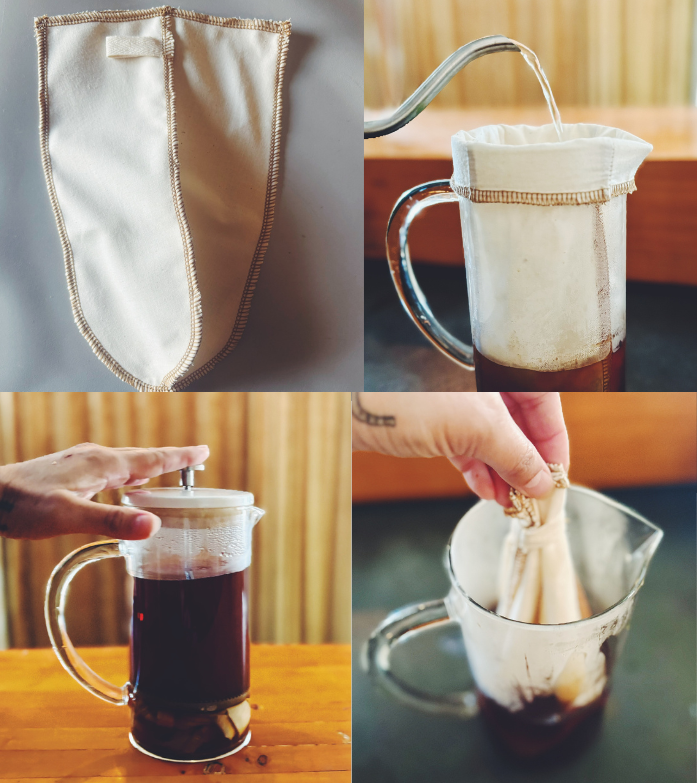
Coffee filterscome in different types. The most common are paper, metal, and cloth filters. Paper filters are easy to use and dispose of. Metal filters last long and let more oils pass through. Cloth filters need cleaning but offer a smooth taste.
Choosing the right size is key for large capacity brewing. Filters come in sizes like 4, 6, and 8 cups. Use a filter that fits your coffee maker to avoid spills and weak coffee.
| Filter Size | Suitable For | Notes |
|---|---|---|
| 4 cups | Small brewers | Fits compact machines |
| 6 cups | Medium brewers | Good for small groups |
| 8 cups | Large brewers | Best for families or offices |
Filter materialsaffect coffee flavor. Paper filters catch most oils, giving a clean taste. Metal filters let oils through, making coffee stronger. Cloth filters create a balanced flavor but need care.
Preparing Your Brewing Setup
Choosing the right coffee maker is key for using a large coffee filter.
Pick a machine that fits the size of your filter to avoid spills.
Measure coffee and water carefully to get the best taste.
Use about 1 to 2 tablespoons of coffee per 6 ounces of water. Adjust to your taste.
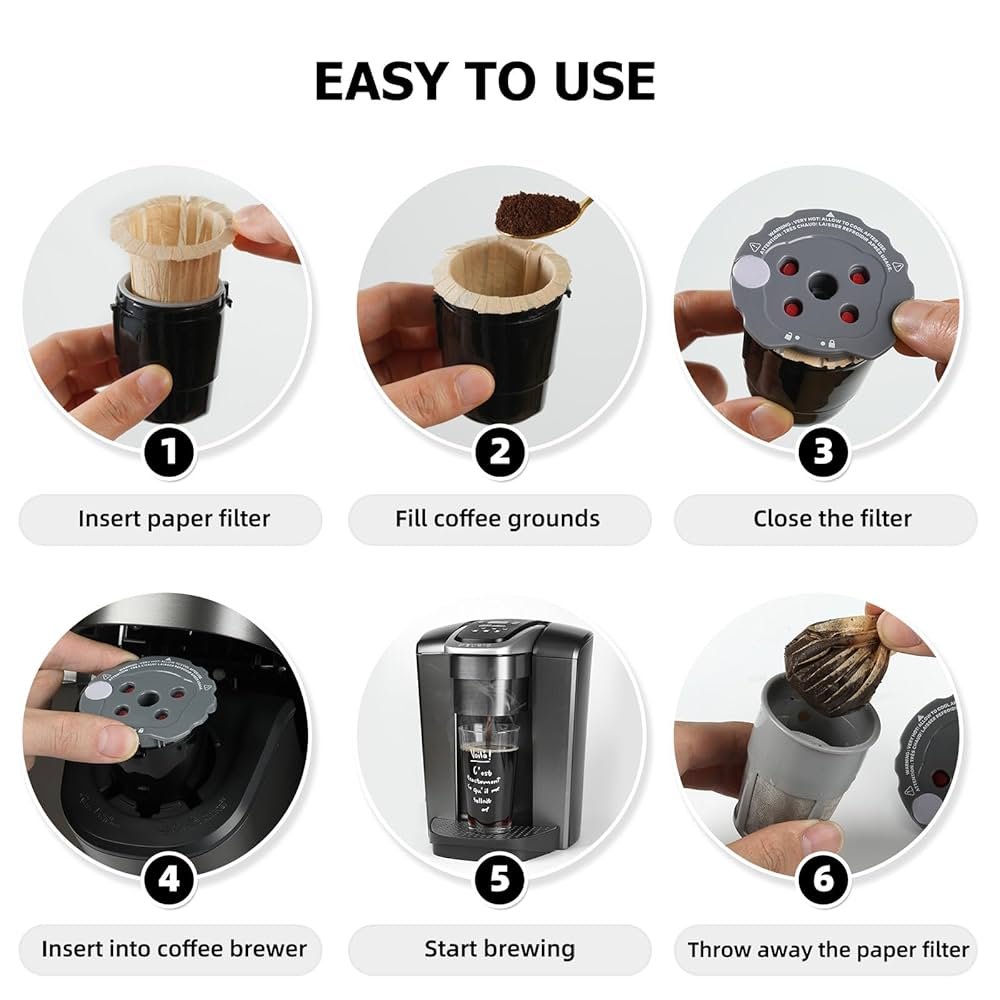
Place the coffee filter flat in the basket.
Make sure it fits snugly without folding or tearing.
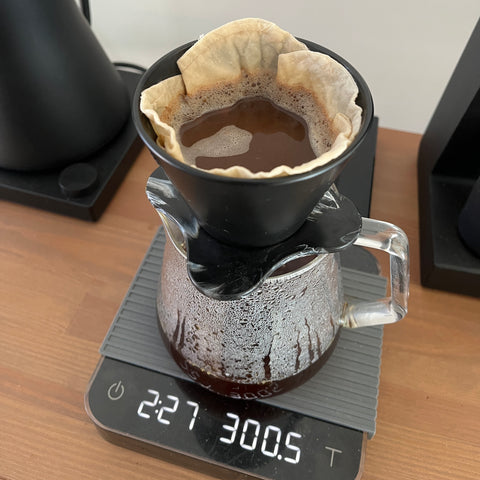
Pour water gently to keep the filter in place.
Brewing Techniques For Large Batches
Grind sizeaffects how quickly water extracts flavor from coffee. Use a medium-coarse grindfor large batches with a coffee filter. Too fine a grind can cause over-extraction and bitterness. Too coarse may lead to weak coffee. Adjust grind size based on taste and brew time.
Keep water temperature between 195°F and 205°F. Water below this range will under-extract coffee, resulting in a sour taste. Water above it can burn the coffee, making it bitter. Use a thermometer or let boiling water cool for 30 seconds before pouring.
Brewing time is key. For large batches, aim for 4 to 6 minutes. This allows water to evenly pass through the coffee grounds and extract flavor. Stir the grounds gently during brewing for consistent extraction. Avoid letting the coffee sit too long, as it will taste bitter.
Credit: thebasicbarista.com
Maintaining Filter Quality
Cleaning reusable coffee filtersis key to keep coffee taste fresh. Rinse the filter right after use. Use warm water and a soft brush to remove coffee oils and grounds. Avoid harsh soaps that may leave a smell. Soak the filter in vinegar or baking soda solution once a week to remove stains and odors.
Proper storage of paper filtershelps keep them dry and clean. Store filters in a sealed container or airtight bag. Keep them away from moisture and strong smells. Avoid crushing or bending paper filters to maintain their shape and function.
Troubleshooting Common Issues
Avoid filter collapseby using a sturdy, high-quality coffee filter. Place the filter carefully in the basket, ensuring it fits snugly. Avoid overfilling with coffee grounds as this adds pressure. Pour water slowly and evenly to keep the filter stable during brewing.
Prevent over-extractionby controlling the brew time and water temperature. Use water that is hot but not boiling, around 195-205°F (90-96°C). Avoid letting coffee sit too long in the filter after brewing. This keeps the coffee taste balanced and clean.
Fix weak or bitter coffeeby adjusting the coffee grind size and amount. Use a medium grind for drip coffee makers. Add more coffee grounds for stronger flavor, or less for a lighter taste. Ensure water is fresh and clean to avoid off-flavors.
Credit: coffeesock.com
Enhancing Large Batch Brewing
Enhancing large batch brewing is simple with a coffee filter. It efficiently separates grounds, ensuring a smooth brew. By using a filter, you can achieve clarity and flavor in every large-capacity brew.
Using Pre-wet Filters
Pre-wetting filters helps in better coffee extraction. Rinse the filter with hot water. This removes any paper taste. It also warms the brewing equipment. The filter will fit snugly, preventing spills.
Layering Coffee Grounds
Layer coffee grounds evenly in the filter. A balanced layer ensures smooth brewing. Uneven layers can cause weak spots. Weak spots lead to uneven extraction. Press the grounds gently for an even layer.
Experimenting With Brew Ratios
Try different coffee-to-water ratios. Start with a basic ratio. Adjust to find your perfect taste. A good ratio ensures rich flavor. A weak ratio results in bland coffee. Always measure for consistent results.

Credit: www.amazon.ca
Frequently Asked Questions
How Do I Choose The Right Size Coffee Filter For Large Capacity?
Select a coffee filter that fits your coffee maker’s basket size. For large capacity, use extra-large or commercial-sized filters. Ensure the filter can hold enough coffee grounds without overflowing to avoid spills and maintain brewing efficiency.
Can I Reuse Coffee Filters For Large Capacity Brewing?
Reusing coffee filters is not recommended. Used filters may weaken and affect flavor extraction. For large capacity brewing, fresh filters ensure optimal filtration and a clean taste. Always use new filters to maintain coffee quality and prevent grounds in your brew.
What Is The Best Coffee Grind Size For Large Capacity Filters?
Medium to medium-coarse grind works best for large capacity filters. This size allows proper water flow and prevents clogging. It balances extraction time and flavor, producing a smooth and rich cup without bitterness or under-extraction.
How Do I Prevent Coffee Overflow With Large Capacity Filters?
Avoid overfilling the filter with grounds; follow your coffee maker’s maximum capacity. Use the right grind size and ensure the filter is properly seated. Pour water slowly if manual brewing to prevent overflow and mess.
Conclusion
Using a coffee filter for large capacity is simple and effective. It helps keep your coffee grounds clean and your brew smooth. Choose the right size filter to fit your coffee maker well. Avoid overfilling the filter to prevent spills.
Clean up is easy and quick after brewing. This method saves time and makes brewing large amounts easier. Try it yourself and enjoy fresh coffee every time. Small steps bring better coffee to your cup.