
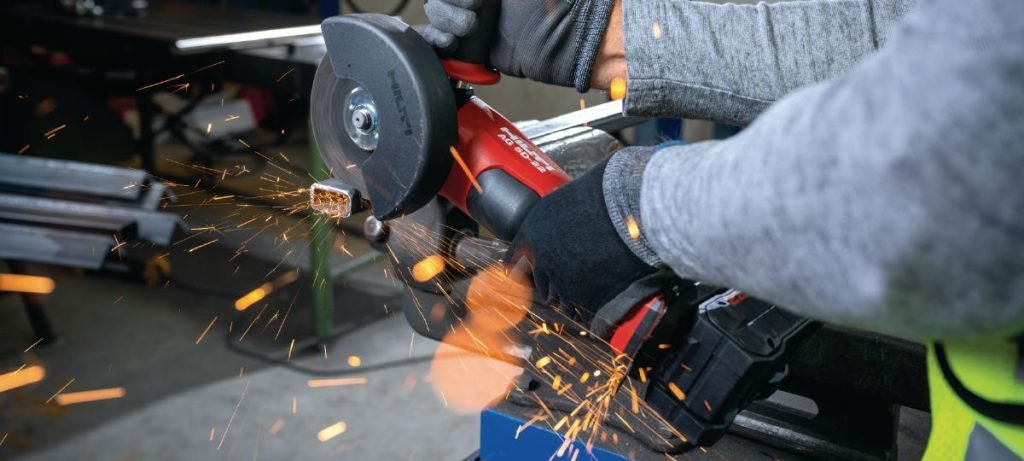
Are you ready to tackle your metal cutting projects with confidence? Using an angle grinder to cut metal might seem tricky at first, but once you know the right steps, it becomes a straightforward and even satisfying task.
In this guide, you’ll discover simple, clear instructions to help you make clean, precise cuts every time. Whether you’re a beginner or just looking to sharpen your skills, this article will give you the tips you need to work safely and effectively.
Keep reading, and you’ll be cutting metal like a pro before you know it!
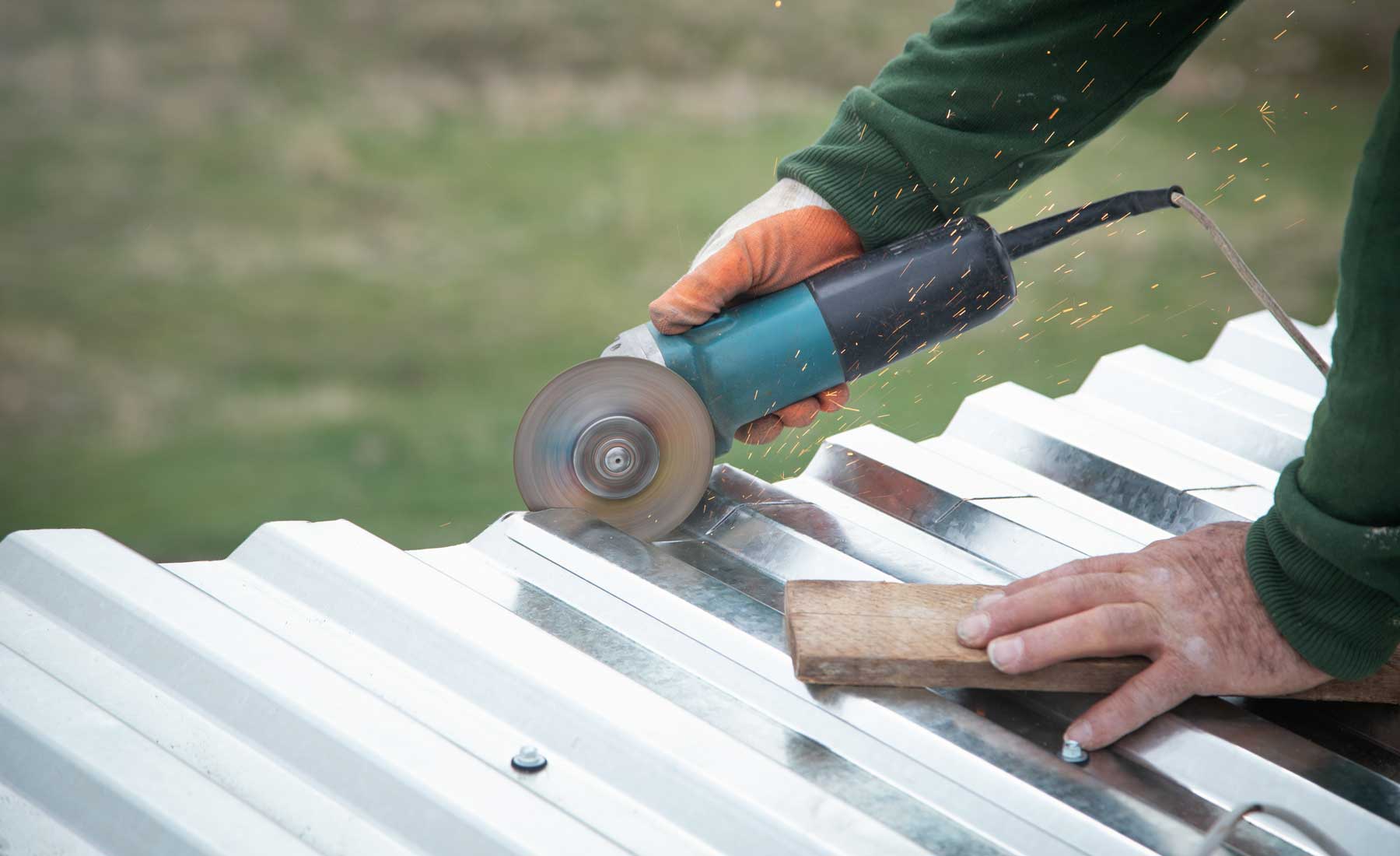
Credit: westmansteel.com
Choosing The Right Angle Grinder
An angle grinderis a tool used for cutting, grinding, and polishing metal. Choosing the right type and size is important. There are mainly two types:
- Electric angle grinders:Plug into a power source. Good for home use.
- Battery-powered angle grinders:Portable and easy to carry. Best for work outside.
The size of the angle grinder is based on the diameter of the disc. Common sizes are:
| Disc Size | Best For |
|---|---|
| 4.5 inches | Small cuts and detailed work |
| 7 inches | Medium to large metal pieces |
| 9 inches or more | Heavy-duty cutting and grinding |
Choose a size that fits your project needs and comfort. A smaller grinder is lighter and easier to handle. Larger grinders offer more power but can be heavier.
Picking The Best Cutting Disc
Cutting discscome in different materials suited for metal. Aluminum oxidediscs are common and good for steel. Zirconia aluminadiscs last longer and cut faster. For thin metals, diamond discsprovide cleaner cuts but cost more.
| Disc Material | Best For | Notes |
|---|---|---|
| Aluminum Oxide | Steel, General Metal | Affordable and widely used |
| Zirconia Alumina | Stainless Steel, Hard Metals | Longer life and faster cutting |
| Diamond | Thin Metal Sheets | Cleaner cuts, higher cost |
The thicknessof the disc affects cutting speed and control. Thinner discs cut faster but wear out quickly. Thicker discs last longer but cut slower. Diameter size must fit your angle grinder. Common sizes are 4.5 inchesand 7 inches. Smaller discs offer better control on small pieces.
Preparing For The Cut
Always wear safety gogglesto protect your eyes from sparks. Use thick glovesto guard your hands. A dust maskkeeps you safe from metal dust. Wear ear protectionto block loud noise. Choose long sleevesand non-flammable clothesfor skin protection.
Make sure the metal piece is firmly clampedto avoid movement. Use a stable workbenchfor support. Check that the metal does not wobble. This helps to get clean and safe cuts.
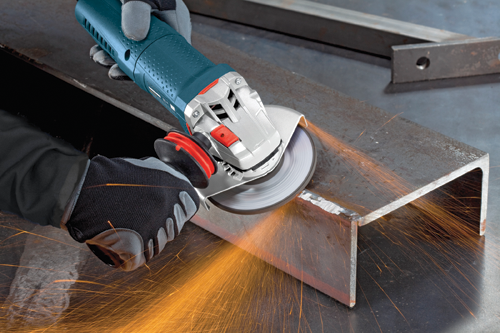
Credit: www.boschtools.com
Cutting Techniques
Hold the angle grinder firmly with both hands. One hand on the body, the other on the side handle. Keep your arms steady to avoid slips. Stand in a balanced position, feet apart for good support.
Keep the cutting disc at a 15 to 30-degree angleto the metal surface. This angle helps the blade cut smoothly and prevents damage. Avoid pressing the disc flat against the metal.
- Start with a slow speed to control the cut.
- Increase speed gradually as you move through the metal.
- Apply gentle pressure; do not force the grinder.
- Let the tool do the work to avoid overheating.
Preventing Common Mistakes
Avoid disc bindingby holding the angle grinder steady and straight. Keep the disc at the right angle to the metal surface. This prevents the disc from getting stuck or breaking. Never force the disc into the metal. Let the tool do the work.
Managing sparks and heat is very important. Sparks can fly far and cause burns or fires. Wear safety goggles and gloves to protect yourself. Keep the work area clear of flammable items. Take breaks to let the metal and disc cool down. Overheating can damage the disc and metal.

Credit: www.protoolreviews.com
Post-cut Finishing Tips
After cutting metal, smoothing the edgesis very important. Use a grinding discor a flap wheelto remove sharp bits. Move the grinder slowly and evenlyalong the cut. This helps to make the edges safe and clean. Always wear gloves and gogglesfor protection.
Cleaning and maintaining the grinder keeps it working well. Remove dust and metal pieces from the ventilation slots. Check the power cordfor damage. Change the cutting discif it is worn out or cracked. Store the grinder in a dry placeto avoid rust. Regular care extends the tool’s life.
Frequently Asked Questions
What Safety Gear Is Essential When Using An Angle Grinder?
Always wear safety goggles, gloves, and ear protection. Use a dust mask to avoid inhaling metal particles. Ensure your clothing is tight-fitting to prevent accidents. Proper safety gear minimizes injury risks while cutting metal with an angle grinder.
Which Type Of Disc Is Best For Cutting Metal?
Use a thin, abrasive cutoff wheel designed specifically for metal. Avoid thick grinding discs as they cause rough cuts. Metal cutting discs provide clean, precise cuts and last longer when used correctly.
How Do I Prepare Metal Before Cutting With An Angle Grinder?
Clean the metal surface from rust, paint, and grease. Mark the cutting line clearly with a permanent marker or scribe. Secure the metal firmly using clamps to prevent movement during cutting.
What Is The Correct Angle To Hold An Angle Grinder?
Hold the grinder at a 90-degree angle to the metal surface. This ensures a straight, clean cut and reduces disc wear. Maintain a steady hand and consistent pressure for best results.
Conclusion
Using an angle grinder to cut metal takes practice and care. Always wear safety gear to protect yourself. Choose the right blade for the metal you cut. Keep a steady hand and work slowly for clean cuts. Clean your tool after use to keep it working well.
With patience, you will improve your skills day by day. Cutting metal becomes easier and safer with each try. Stay focused and follow safety rules every time you work.