
Are you ready to take on tough cutting, grinding, or polishing tasks with ease? Knowing how to use an angle grinder can change the way you handle many DIY projects and repairs.
But before you dive in, it’s important to understand the basics to work safely and get the best results. In this guide, you’ll discover simple, clear steps to master your angle grinder quickly. By the end, you’ll feel confident and ready to tackle your next project like a pro.
Keep reading to unlock the full potential of your tool and avoid common mistakes that can slow you down or put you at risk.
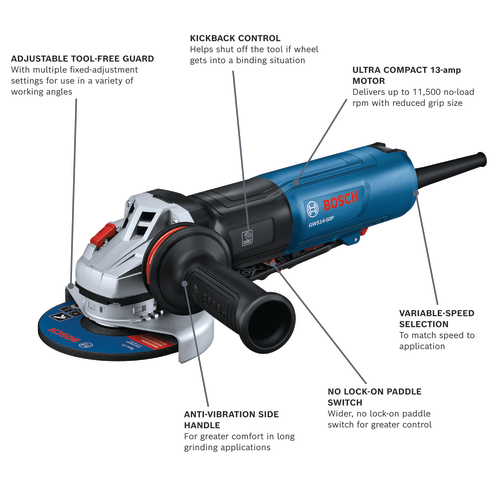
Credit: www.boschtools.com
Choosing The Right Angle Grinder
Angle grinders come in different types. Some are for cutting, others for grindingor polishing. Choose the type that fits your job to get the best results.
The sizeof the angle grinder matters. Small ones (4-5 inches) are easy to handle and good for light jobs. Bigger ones (7-9 inches) are stronger and for heavy work. Pick the size that feels right for you.
| Power Source | Pros | Cons |
|---|---|---|
| Electric (corded) | Strong, no battery change | Needs power outlet, less portable |
| Battery (cordless) | Portable, easy to use anywhere | Limited run time, weaker power |
| Air-powered (pneumatic) | Lightweight, good for long use | Needs air compressor, less common |

Credit: www.motortrend.com
Essential Safety Precautions
Protective gearis vital for safe angle grinder use. Wear safety glasses to protect eyes from sparks and debris. Use a face shield for extra protection. Heavy-duty gloves help prevent hand injuries. Long sleeves and pants shield skin from sparks. Ear protection guards against loud noise.
Hold the grinder firmly with both hands. Keep a stable stance to avoid slipping. Always check the grinder and disc for damage before use. Make sure the guard is in place. Never force the tool; let it work at its own speed.
- Watch for flying sparks and debris.
- Keep the workspace clear of flammable materials.
- Do not use a damaged or worn disc.
- Avoid grinding near people or animals.
- Disconnect power before changing discs.
Preparing For The Job
Check the angle grindercarefully before use. Look for any cracks or damage on the grinding disc. Make sure the disc fits tightly and spins freely. Inspect the power cordfor cuts or frays to avoid electrical hazards.
Clear the workspace of clutter and debris. Keep a firm, flat surface for the material you will cut or grind. Ensure good lightingso you see your work clearly. Have a fire extinguishernearby just in case sparks catch anything.
- Mark the material using a pencil or chalk for precise cuts.
- Use clamps or a vise to hold the material firmly in place.
- Keep your hands away from the cutting line.
- Check that the material is stable and won’t move during grinding.
Basic Operating Techniques
Hold the grinder firmly with both hands. Use the trigger or switch to start it smoothly. Let the tool reach full speed before cutting or grinding. To stop, release the trigger and wait for the disc to stop spinning.
Keep a strong grip and stand in a balanced position. Hold the grinder so you control its movement well. Keep your body away from the spinning disc for safety.
Apply gentle pressure; don’t force the tool. Let the grinder do the work to avoid overheating. Adjust speed if your grinder has a speed control feature to match the task.
Cutting And Grinding Tips
Choosing the right discis very important for safety and good results. Use a cutting discfor slicing through metal or stone. For grinding, pick a grinding discthat matches the material. Check the disc size and speed rating to fit your angle grinder.
Effective cutting methodsinclude holding the grinder firmly and moving it at a steady pace. Let the disc do the work; don’t push too hard. Cut in a straight line and wear safety gear like gloves and goggles.
Smoothing and shaping materialsworks best with a grinding or flap disc. Use short, controlled strokes to shape edges or remove rough spots. Keep the grinder moving to avoid making deep marks or burning the material.
Advanced Tricks For Better Results
Using the right attachments and accessoriescan improve the grinder’s performance. Choose discs made for the specific job: cutting, grinding, or polishing. Use guards and handles to keep control and safety high.
Preventing disc wear and tearextends tool life. Avoid pressing too hard. Let the tool do the work. Change discs when they look worn or damaged. Store discs in a dry place.
Improving precision and finishneeds steady hands and slow, even movements. Use smaller discs for tight spots. Keep the grinder at the right angle to the surface. Practice on scrap material before the real work.
Maintenance And Troubleshooting
Keep the angle grinder clean by wiping it after every use. Dirt and dust can cause problems. Store the grinder in a dry place to stop rust and damage.
Replace discs that look worn or cracked. Use the right disc for your task. Check parts like the guard and handle. Replace any broken or loose parts to stay safe.
| Common Issue | Cause | Solution |
|---|---|---|
| Grinder won’t start | Power cord or switch problem | Check cord and switch; replace if needed |
| Disc wobbles | Loose disc or flange | Tighten disc and flange properly |
| Overheating | Blocked vents or heavy use | Clean vents and take breaks |
| Unusual noise | Damaged bearings or parts | Inspect and replace damaged parts |
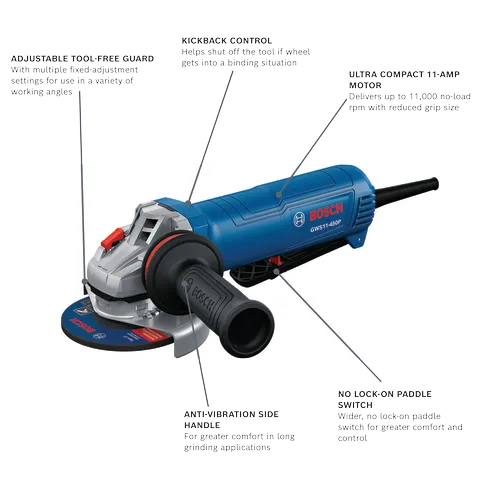
Credit: www.boschtools.com
Frequently Asked Questions
What Safety Gear Is Essential When Using An Angle Grinder?
Always wear safety goggles, gloves, ear protection, and a dust mask. These protect against sparks, debris, and loud noise. Proper safety gear reduces injury risks and ensures safer operation during grinding or cutting tasks.
How Do I Choose The Right Angle Grinder Disc?
Select discs based on the material and task: grinding, cutting, or polishing. Use abrasive discs for metal, diamond blades for masonry, and wire brushes for cleaning. Matching the disc ensures efficient, safe, and quality results.
Can I Use An Angle Grinder For Cutting Tiles?
Yes, use a diamond blade designed for tiles. Mark the cut line clearly and work slowly to avoid cracking. Proper blade and technique ensure clean, precise tile cuts with minimal dust.
How Do I Maintain My Angle Grinder For Best Performance?
Clean the tool after use, check the power cord, and replace worn discs. Lubricate moving parts as needed. Regular maintenance prolongs tool life and ensures safe, efficient operation.
Conclusion
Using an angle grinder safely improves your work quality. Always wear protective gear to avoid injuries. Choose the right disc for each task. Keep a steady hand and work slowly. Regular maintenance keeps the tool working well. Practice makes using an angle grinder easier.
Stay focused and follow all safety rules. This tool can help with cutting, grinding, and polishing. Take your time and work carefully every time. Safety and patience lead to the best results.