
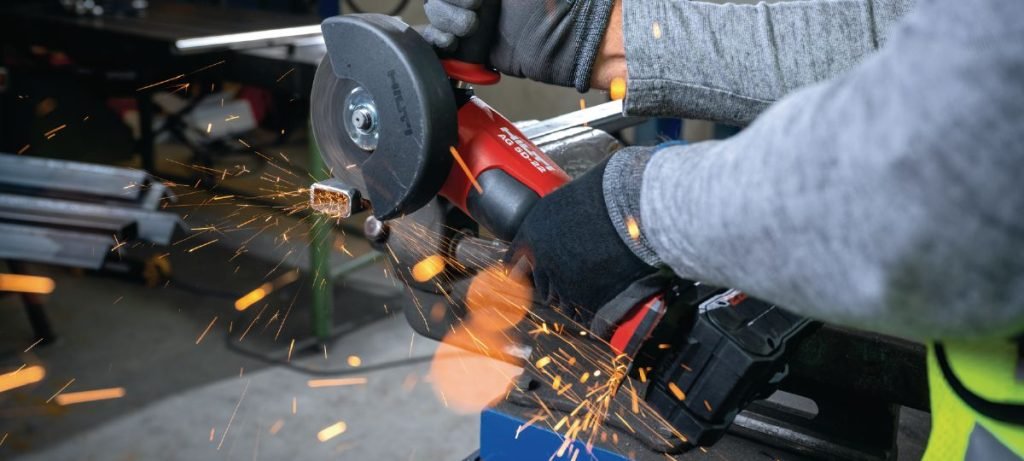
If you need to cut metal quickly and cleanly, an angle grinder can be your best friend. But using it the right way is key to getting the job done safely and effectively.
In this guide, you’ll learn simple steps to handle your angle grinder like a pro. Whether you’re a beginner or just want to improve your skills, this article will show you how to make precise cuts without wasting time or risking injury.
Keep reading to discover tips that will boost your confidence and make your metal cutting tasks easier than ever.

Credit: www.familyhandyman.com
Choosing The Right Angle Grinder
An angle grindercomes in several types, mainly based on power source and size. They can be cordedor cordless. Corded grinders offer steady power for long jobs. Cordless grinders provide more freedom but less runtime.
Choosing the correct size is key. Smaller grinders (4 to 5 inches) work well for light cutting and grinding. Larger sizes (7 to 9 inches) handle heavy-duty metal cutting but can be harder to control.
| Size (inches) | Best For | Advantages |
|---|---|---|
| 4-5 | Light metal cutting | Easy to handle, precise cuts |
| 7-9 | Heavy metal cutting | More power, faster cutting |
Power and speed are important. A grinder with higher power cuts metal faster. Speed controls help adjust for different materials. Too fast can cause damage; too slow wastes time.

Credit: www.protoolreviews.com
Selecting The Proper Cutting Disc
Choosing the right cutting discis key for metal work. Different discs suit different metals and tasks. Common disc materials include:
- Abrasive discs:Made from aluminum oxide or silicon carbide. Good for general metal cutting.
- Diamond discs:Best for hard metals and precise cuts.
Disc thickness matters too. Thin discs cut faster with less metal loss. Thicker discs last longer but cut slower.
| Disc Material | Use | Thickness |
|---|---|---|
| Aluminum Oxide | General metal cutting | 1-3 mm |
| Silicon Carbide | Non-ferrous metals | 1-3 mm |
| Diamond | Hard metals, precise cuts | 1-2 mm |
Check the disc’s safety ratingand compatibility with your grinder. Using wrong discs can cause accidents. Always match disc size and speed rating with your tool’s specs.
Preparing For The Cut
Secure the metal workpiece firmly before cutting. Use a clamp or a vise to hold it steady. This prevents movement and keeps the cut line accurate. A loose piece may cause injury or a poor cut.
Mark the cut line clearly with a permanent marker or chalk. Make sure the line is straight and easy to follow. This helps guide the angle grinder and improves precision.
Wear protective gear to stay safe. Use safety glasses or a face shield to protect your eyes. Wear gloves to protect your hands from sparks and sharp edges. Hearing protection is also important to guard against loud noise.
Cutting Techniques
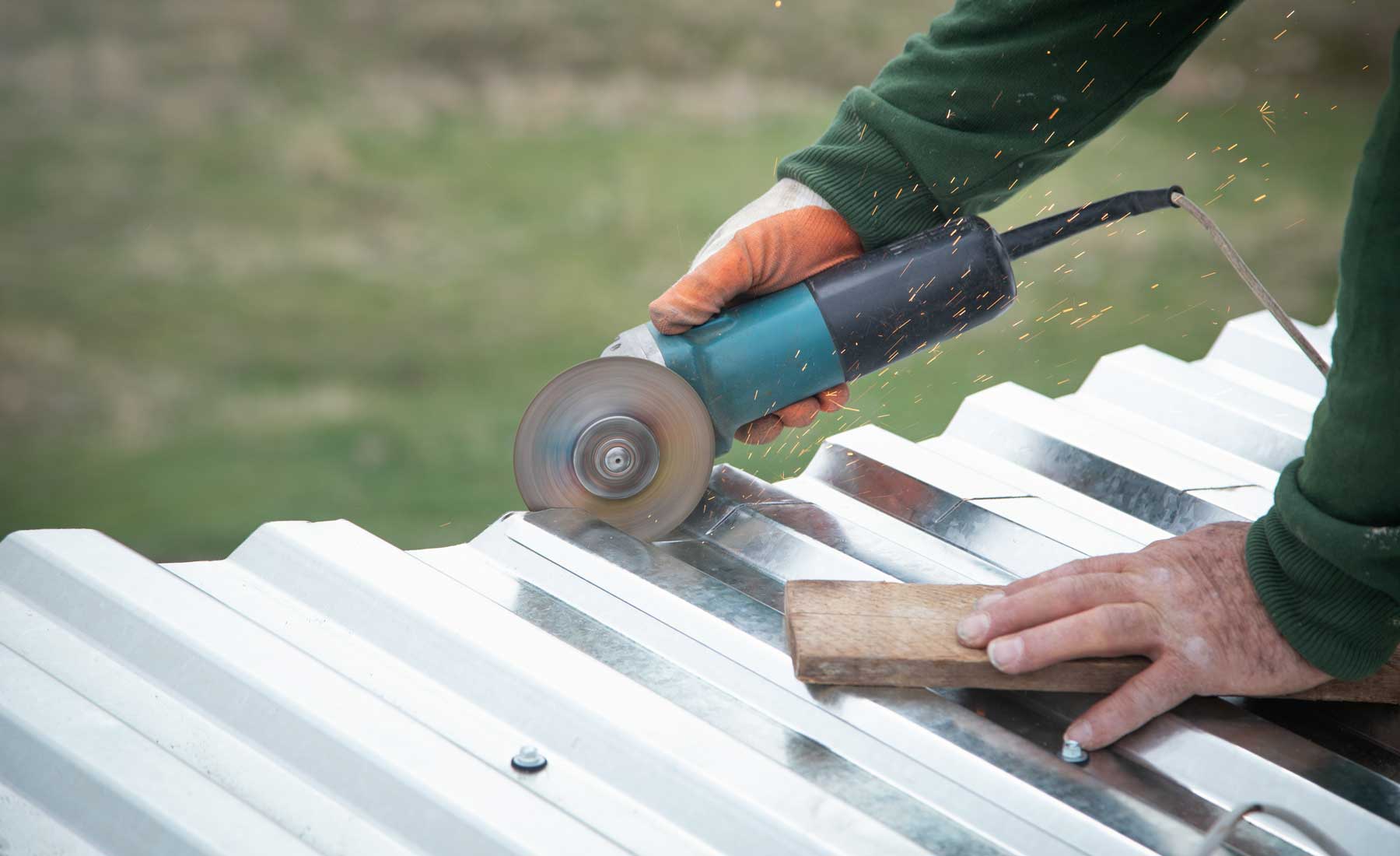
Hold the angle grinder firmly with both hands. Keep the disc at a slight angle to the metal. This helps the blade cut smoothly without getting stuck. Position yourself so you have good control and a clear view of the cut line. Always wear safety gear like gloves and goggles.
Move the grinder at a steady pace. Too fast can cause rough cuts or damage the disc. Too slow may burn the metal or wear out the tool. Let the grinder do the work without forcing it. Keep your hands steady and follow the marked line carefully.
- Do not press too hard on the grinder.
- Avoid twisting the tool during the cut.
- Watch for sparks and stay alert.
- Keep the cutting area clean of debris.
- Use the right disc for the metal type.
Post-cut Finishing
After cutting metal with an angle grinder, edges often feel sharp and rough. Use a deburring tool or a grinding disc to smooth these edges. This step helps prevent cuts and makes the metal safer to handle.
Cleaning the metal surface is important too. Wipe away dust and metal shavings with a clean cloth. This keeps the area clear for the next use or for painting.
| Check | What to Look For | Why It Matters |
|---|---|---|
| Cut Quality | Straightness and smoothness of the cut | Ensures parts fit together well |
| Edge Condition | No sharp or rough spots | Prevents injury and improves appearance |
| Surface Cleanliness | Free of dust and metal pieces | Ready for painting or welding |
Safety Tips And Best Practices
Sparks and debriscan cause burns and fires. Always wear safety gogglesand a face shield. Use a long sleeve shirtand gloves to protect your skin. Keep a fire extinguishernearby. Work in a well-ventilated areafree of flammable materials. Aim the grinder so sparks fly away from you and others. Clear the workspace of any clutter before starting.
Keep your angle grinder clean and inspect it often. Check the disc for cracks or damagebefore each use. Tighten all parts to avoid accidents. Replace worn parts immediately. Store the tool in a dry place. Use the right disc for cutting metal only.
| Emergency Procedures | Action |
|---|---|
| Burns from sparks | Cool with water and seek medical help if needed |
| Eye injury | Rinse eyes gently with clean water and see a doctor |
| Fire | Use a fire extinguisher or call the fire department |
| Tool malfunction | Turn off power, unplug, and inspect before use |
Credit: westmansteel.com
Frequently Asked Questions
What Safety Gear Is Essential When Cutting Metal?
Always wear safety goggles, gloves, and ear protection. Use a face shield and dust mask for extra safety. Ensure your clothing is tight-fitting to avoid accidents. Proper gear protects against sparks, debris, and loud noise during metal cutting.
How Do I Choose The Right Angle Grinder Disc?
Select a disc designed for metal cutting. Check disc size matches your grinder’s specifications. Use thin, reinforced cutting discs for smooth, precise cuts. Avoid worn or damaged discs to ensure safety and efficiency.
Can I Cut Different Metals With One Angle Grinder?
Yes, but use appropriate discs for each metal type. Adjust speed and pressure based on metal hardness. Using the right disc prevents damage and ensures clean cuts. Always follow manufacturer guidelines for best results.
How To Maintain An Angle Grinder After Metal Cutting?
Clean the grinder thoroughly to remove metal dust and debris. Check discs for wear and replace as needed. Lubricate moving parts regularly to ensure smooth operation. Proper maintenance extends tool life and improves performance.
Conclusion
Using an angle grinder to cut metal can be safe and easy. Always wear protective gear to stay safe. Take your time and cut slowly for best results. Keep the grinder steady and follow the marked line. Clean the metal edges after cutting to avoid sharp bits.
Practice on scrap metal before starting your project. With care and attention, you can cut metal well using an angle grinder. Simple steps lead to good, clean cuts every time.