
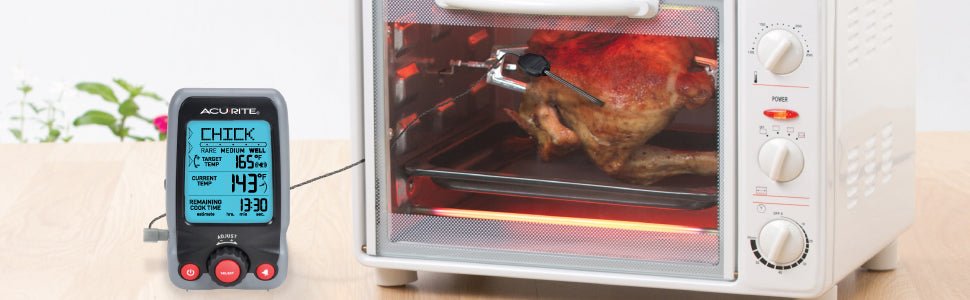
Are you tired of guessing if your meat is perfectly cooked or worrying about it being underdone or dry? Using a meat thermometer in the oven is the simple trick that can change your cooking game forever.
With just a few easy steps, you’ll unlock juicy, flavorful meals every time. Keep reading, and you’ll discover how to use a meat thermometer like a pro, ensuring your dishes impress everyone at the table. Your next perfectly cooked meal is just a few clicks away!

Credit: www.reddit.com
Choosing The Right Meat Thermometer
Digital thermometersshow temperature quickly and clearly. They are easy to read, with numbers on a screen. Analog thermometershave a needle and dial. They do not need batteries but can be harder to read.
Look for a thermometer with a wide temperature rangeand a probe long enoughto reach the center of the meat. A fast response timehelps you avoid overcooking. A durable, heat-resistant probelasts longer.
| Feature | Why It Matters |
|---|---|
| Wide Temperature Range | Works for all types of meat |
| Fast Response Time | Prevents overcooking |
| Long Probe | Measures center of meat accurately |
| Heat Resistance | Safe for oven use |
Check calibration by placing the probe in ice water. It should read 32°F (0°C). Use boiling water to check for 212°F (100°C). Adjust if your thermometer allows it. Regular checks keep readings accurate.
Preparing Your Meat For Temperature Check
Choose the thickest partof the meat for the temperature check. This area cooks slower and shows the true temperature inside. Avoid thinner edges as they heat up faster and give wrong readings.
- Insert the thermometer away from bones. Bones heat up faster and can give a false high temperature.
- Place the probe deep inside the meat, reaching the center of the thickest part.
- Push the thermometer in horizontally or at an angle, not straight down from the top.
Make sure the tip of the thermometer is not touching fat or gristle. These parts can affect the reading.
Setting Up The Oven And Thermometer
Start by preheating the ovento the recipe’s temperature. This ensures even cooking.
Choose a thermometer that is safe for oven use. Avoid digital ones not meant for heat.
Insert the thermometer probeinto the thickest part of the meat. Avoid touching bone or fat.
Place the meat on a rack or tray so heat can circulate well.
- Check thermometer placement through the oven window if possible.
- Keep the oven door closed to maintain temperature.
- Use a timer to remind you to check the meat temperature.
Reading And Interpreting Temperature
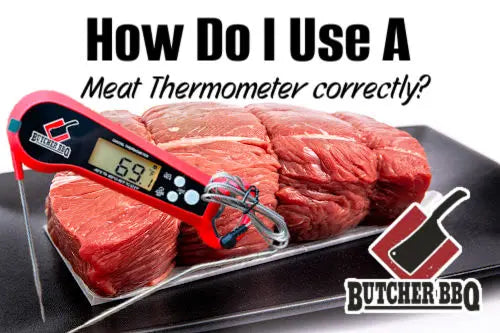
Use a meat thermometer to check the internal temperatureof meat. This tells you if meat is safe and cooked well. Insert the probe into the thickest part, away from bones or fat.
| Meat Type | Target Internal Temperature (°F) | Target Internal Temperature (°C) |
|---|---|---|
| Chicken (whole or pieces) | 165°F | 74°C |
| Beef, Pork, Lamb (steaks, roasts) | 145°F | 63°C |
| Ground Meat (beef, pork, lamb) | 160°F | 71°C |
| Fish | 145°F | 63°C |
Let meat rest after cooking. This helps juices spread inside. Usually, rest meat for 5 to 10 minutes.
Check temperature often to avoid overcooking. Overcooked meat becomes dry and tough. Remove meat from oven just before it reaches target temperature. It will continue to cook while resting.
Cleaning And Maintaining Your Thermometer
Safe cleaningkeeps your meat thermometer working well. Use warm, soapy water to clean the probe. Avoid soaking the whole device. Wipe the display with a damp cloth only. Never put your thermometer in a dishwasher or immerse it fully in water. This can damage the electronics.
Dry the thermometer completely before storing. Store it in a protective case or a clean drawer. Keep it away from sharp objects that might scratch the probe.
| When to Replace | Signs |
|---|---|
| Probe Damage | Bent or broken probe stops working well |
| Inaccurate Readings | Temperatures vary greatly or don’t match |
| Battery Issues | Display fades or stops turning on |
Credit: butcherbbq.com
Troubleshooting Common Issues
Inaccurate readingscan happen if the probe is not placed correctly. Make sure the probe tip is in the thickest part of the meat. Avoid touching bone or fat, as this gives wrong temperatures.
Probe malfunctionsmay cause the thermometer to stop working or show false numbers. Check the battery regularly and replace it if needed. Clean the probe after each use to avoid dirt build-up that blocks accurate reading.
Oven temperature variationsmean the oven may not be heating evenly. Use an oven thermometer to check if your oven’s temperature matches its setting. Adjust cooking time if the oven runs hotter or colder than the set temperature.

Credit: www.youtube.com
Frequently Asked Questions
How Do I Use A Meat Thermometer In The Oven?
Insert the thermometer probe into the thickest part of the meat. Avoid bones or fat. Place the meat in the oven and monitor the temperature until it reaches the desired doneness.
What Temperature Should Meat Reach In The Oven?
Different meats require different temperatures. For example, poultry should reach 165°F, beef 145°F, and pork 160°F for safe consumption.
Can I Leave A Meat Thermometer In The Oven While Cooking?
Yes, use an oven-safe thermometer designed for continuous monitoring. It allows you to check temperature without opening the oven door, keeping heat consistent.
How Do I Clean A Meat Thermometer After Use?
Wipe the probe with warm, soapy water. Avoid immersing the entire thermometer if it’s not waterproof. Dry thoroughly before storing.
Conclusion
Using a meat thermometer in the oven ensures perfectly cooked meals. Check the temperature to avoid undercooking or overcooking. Insert the thermometer into the thickest part of the meat. Ensure the probe doesn’t touch bone. Remember, each type of meat has a different safe temperature.
Always refer to a reliable temperature chart. Practice regularly for improved accuracy. This simple tool makes cooking safer and tastier. Enhance your culinary skills with this easy technique. Enjoy delicious, well-cooked dishes every time. Cooking with confidence is within reach.
Happy cooking!