
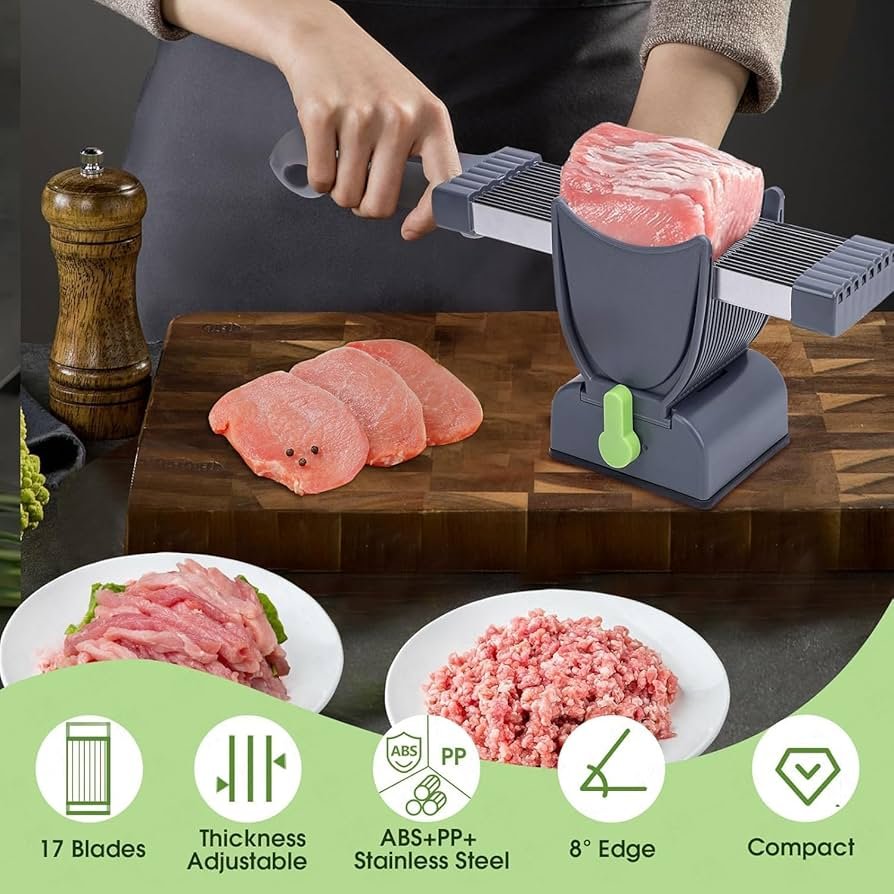
Are you tired of uneven cuts and wasted meat? Using a heavy duty meat slicer can change the way you prepare your meals.
With the right technique, you can slice meat quickly, safely, and with precision every time. This guide will show you exactly how to use your meat slicer like a pro, saving you time and effort in the kitchen. Keep reading to unlock tips that will make your slicing smoother and your dishes tastier.
Credit: www.walmart.com
Choosing The Right Meat Slicer
Heavy duty meat slicers come in different types. The most common are:
- Manual slicers:Require physical effort but are affordable.
- Electric slicers:Use motor power to cut quickly and evenly.
- Commercial slicers:Built for frequent and heavy use in restaurants.
Look for key features like:
- Blade size:Larger blades cut bigger slices.
- Adjustable thickness:Lets you choose slice thickness.
- Durable materials:Stainless steel is common for long life.
- Easy cleaning:Removable parts help maintain hygiene.
Safety is important. Choose slicers with strong safety certifications. Look for marks like:
| Certification | What It Means |
|---|---|
| UL (Underwriters Laboratories) | Meets strict safety standards for electrical devices |
| NSF (National Sanitation Foundation) | Certified safe for food contact and easy cleaning |
| CE (Conformité Européenne) | Complies with European safety and health rules |
Preparing The Meat Slicer
Clean the meat slicer thoroughly before use to ensure food safety. Check that the blade is sharp and securely attached for smooth slicing. Adjust the thickness settings to match your desired slice size.
Setting Up The Machine
First, place the meat slicer on a stable surface. Plug it into a safe power outlet. Ensure all parts are tightly connected. Check if the blade is clean and sharp. Safety is important, so never rush this process.Adjusting Blade Thickness
Find the blade thickness knob on the machine. Turn it to choose the right thickness. Test with a small piece of meat. Adjust until you get the desired slice. Always keep fingers away from the blade.Ensuring Stability
Make sure the machine is steady. It shouldn’t wobble during use. Use non-slip mats under the slicer if needed. Tighten all screws and knobs. A stable machine ensures even slicing and safety. `Selecting And Preparing Meat
Choosing the right meat is importantfor smooth slicing. Cuts like beef brisket, pork loin,and turkey breastwork best. These meats are firm and slice evenly.
Chilling meat makes slicing easier. Cold meat is firmer, so the slicer cuts cleanly. Keep meat in the fridge for at least 30 minutesbefore slicing.
Trim off any excess fator silver skin. This helps the slicer work better and makes meat look neat. Cut large pieces into smaller portionsto fit the slicer blade safely.
Operating The Meat Slicer
Place your hand firmly on the handle to control the meat slicer. Keep fingers away from the blade for safety. Use your other hand to hold the meat steady on the carriage. This helps prevent slips and accidents.
Adjust the thickness knob to choose how thin or thick your slices will be. Start with a small thickness and change if needed. Thinner slices cook faster and are easier to chew.
Apply steady pressure on the meat while sliding it across the blade. Avoid pushing too hard, as it can damage the slicer or cause uneven cuts. Consistent pressure gives smooth, even slices every time.
Cleaning And Maintenance
Disassembling the meat slicer is key for deep cleaning. Unplugthe machine first to stay safe. Remove the blade guard, tray, and blade carefully. Use a soft cloth and warm, soapy water to clean each part. Avoid soaking electrical parts to prevent damage.
Safe cleaning techniques keep you and the slicer safe. Always use a brush or sponge, not a sharp object, to clean the blade. Wear cut-resistant gloves to protect your hands. Wipe the slicer’s body with a damp cloth. Dry all parts completely before reassembling.
| Blade Sharpening Tips |
|---|
| Use the built-in sharpener if available. |
| Sharpen blades regularly to keep them sharp. |
| Follow the slicer’s manual instructions for sharpening. |
| Check blade alignment after sharpening. |
| Wear gloves to avoid cuts during sharpening. |
Troubleshooting Common Issues
Blade dullnessshows as tearing or uneven cuts. Slices look rough, not clean. The slicer may need sharpening or blade replacement.
Uneven sliceshappen if the blade is loose or the food is not held firmly. Check if the blade is tight. Use the food holder to press meat evenly while slicing.
Machine jammingcan occur when food gets stuck or the blade is dirty. Turn off the slicer before cleaning. Remove any stuck pieces carefully. Keep the blade and tray clean for smooth use.
Safety Tips For Heavy Duty Slicers
Wear protective glovesto avoid cuts. Use safety goggles to protect your eyes from flying debris. Always wear a clean apron to keep clothes safe from stains.
Keep hands away from the bladewhile slicing. Never try to stop the blade with your fingers. Use the meat holder or pusher to guide meat safely.
| Emergency Procedures | Action |
|---|---|
| Blade stuck or jammed | Turn off the machine immediately and unplug it. |
| Injury occurs | Stop the slicer at once and seek medical help. |
| Machine malfunction | Do not use until inspected and fixed by a professional. |

Credit: www.amazon.in

Credit: www.braher.com
Frequently Asked Questions
How Do I Safely Operate A Heavy Duty Meat Slicer?
Always read the manual before use. Keep hands clear of the blade. Use the food pusher to hold meat. Wear cut-resistant gloves for extra safety. Turn off and unplug the slicer before cleaning or adjusting.
What Maintenance Does A Heavy Duty Meat Slicer Need?
Regularly clean the slicer after each use. Sharpen the blade to maintain cutting efficiency. Lubricate moving parts as recommended in the manual. Inspect the blade guard and other safety features frequently for damage or wear.
How Can I Adjust The Thickness On A Meat Slicer?
Locate the thickness adjustment knob or lever. Turn it to increase or decrease slice thickness. Test on a small piece of meat first. Adjust gradually for consistent, even slices. Always reset to zero when finished.
What Types Of Meat Work Best With Heavy Duty Slicers?
Heavy duty slicers handle large cuts like brisket, ham, and roast beef. They also work well with firm cured meats like salami. Avoid very soft or frozen meats to prevent blade damage and uneven slices.
Conclusion
Using a heavy duty meat slicer can save time and effort in the kitchen. Always follow safety rules to avoid accidents. Keep the blade sharp and clean for best results. Practice slicing slowly until you feel confident. This tool helps create even, thin slices every time.
Regular maintenance will keep your slicer working well. Enjoy preparing meals with ease and precision. Simple steps make slicing safe and effective. Your cooking will improve with the right technique. Give yourself time to get used to the slicer.