
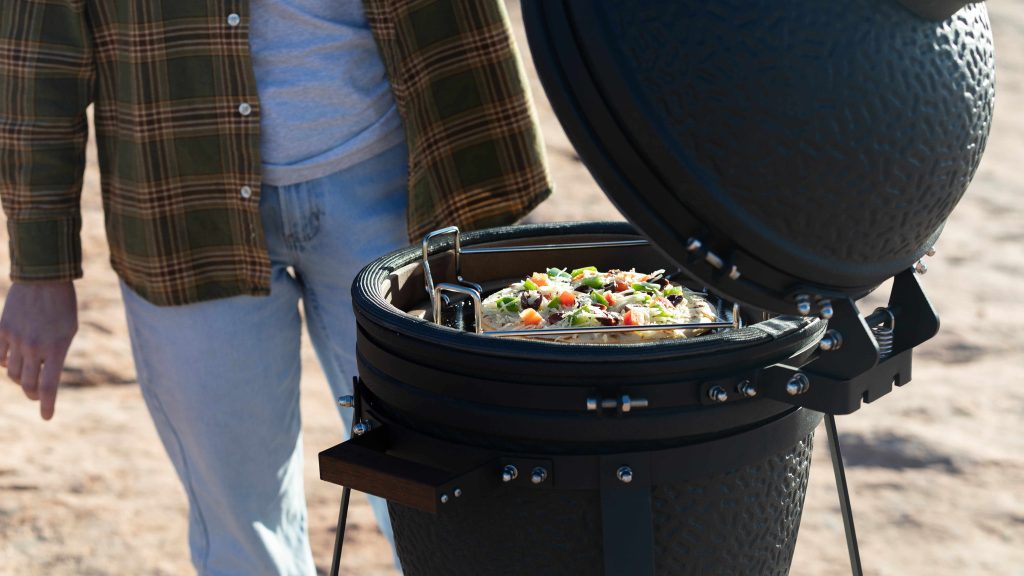
If you love grilling with your Kamado grill, you’ve probably heard about heat deflectors but aren’t quite sure how to use them. A heat deflector can completely change the way you cook, turning your grill into a versatile oven that locks in flavor and cooks food evenly.
You’ll discover simple steps to set up and use a heat deflector, so you can take your grilling skills to the next level. Ready to unlock the full potential of your Kamado grill? Let’s dive in.
Choosing The Right Heat Deflector
Using a heat deflector in your Kamado grill helps cook food evenly. It protects food from direct flames. Choosing the right heat deflector improves your grilling results.
This guide explains the types of heat deflectors, materials, and size options. Understanding these factors makes your cooking easier and safer.
Types Of Heat Deflectors
Heat deflectors come in different styles. Each type works best for specific cooking needs.
- Plate-style deflectors: Flat and easy to place, ideal for indirect cooking.
- Multi-tier deflectors: Stackable for more cooking layers.
- Basket-style deflectors: Allow heat and smoke to circulate around food.
- Ceramic deflectors: Thick and hold heat well, perfect for slow cooking.
Material Considerations
| Material | Advantages | Disadvantages |
| Ceramic | Retains heat evenly, durable | Heavy, can crack if dropped |
| Steel | Strong, heats quickly | May rust, less heat retention |
| Cast Iron | Excellent heat retention | Heavy, needs seasoning |
| Composite | Lightweight, heat resistant | Less durable than metal |
Choose material based on your cooking style and care preferences. Ceramic deflectors suit slow cooks. Metal works well for quick heat changes.
Size And Fit For Kamado Grills
Size matters to get the best heat deflector. It should fit your Kamado grill perfectly for even heat distribution.
- Measure the grill’s inner diameter before buying.
- Check if the deflector covers the cooking area fully.
- Consider adjustable or multi-piece deflectors for flexibility.
- Ensure enough space below the deflector for airflow.

Credit: www.reddit.com
Setting Up Your Heat Deflector
Using a heat deflector in your Kamado grill helps cook food evenly. It shields food from direct flames. Proper setup is important for best results.
This guide covers how to prepare your grill and place the heat deflector correctly. It also explains how to secure the deflector safely.
Preparing The Grill
Before placing the heat deflector, clean your grill thoroughly. Remove ashes and old charcoal. Make sure the grill is cool enough to handle.
Check your Kamado grill for any damage or cracks. Inspect the grill grate to confirm it is clean and stable.
Placing The Deflector Correctly
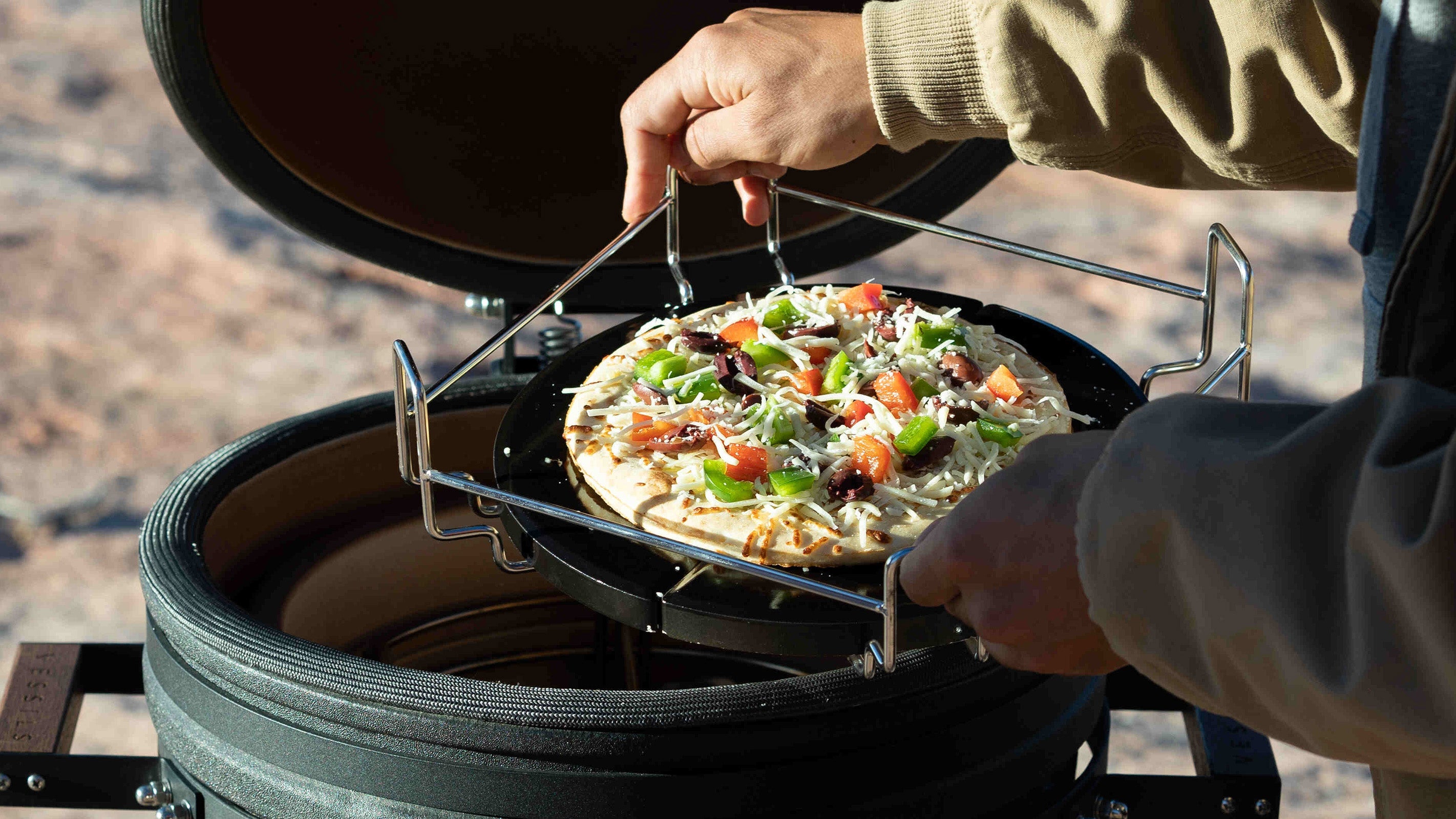
Place the heat deflector on the fire ring inside the grill. It should sit flat and cover the charcoal completely. Position it so that the curved side faces upward.
- Handle the deflector with heat-resistant gloves
- Place the deflector gently to avoid cracks
- Ensure no gaps exist between deflector and fire ring
- Check the deflector’s fit before lighting the grill
Securing The Deflector In Place
Secure the deflector so it does not move during cooking. Use the grill grate as a support above the deflector. Ensure the grate sits evenly on the grill walls.
| Item | Purpose | Tip |
| Heat Deflector | Blocks direct heat | Place carefully on fire ring |
| Fire Ring | Supports deflector | Check for stability and cracks |
| Grill Grate | Holds food and secures deflector | Ensure it sits evenly |
Cooking Techniques With A Heat Deflector
A heat deflector is a useful tool for Kamado grills. It helps cook food evenly by blocking direct heat. This lets you use indirect cooking methods.
Using a heat deflector changes how you manage heat and cook different recipes. It opens up new ways to use your Kamado grill.
Indirect Cooking Basics
Indirect cooking means the food is not over direct flames. The heat deflector acts as a barrier between the fire and the food.
This method is good for slow cooking and smoking. It keeps food moist and prevents burning.
- Place the heat deflector above the charcoal
- Put the food on the grill grate over the deflector
- Close the lid to keep heat inside
Temperature Management Tips
Use vents to control air flow and temperature. Opening vents increases heat, closing them lowers heat.
Check the grill’s built-in thermometer often. Keep the temperature steady by adjusting vents little by little.
- Start with a hot fire, then adjust vents for steady heat
- Use a digital thermometer for precise temperature
- Add charcoal or wood chips to maintain heat and flavor
Common Recipes Using A Heat Deflector
Heat deflectors work well for recipes that need slow and even cooking. They help keep meat juicy and tender.
Try these recipes for good results with a heat deflector:
- Whole chicken or turkey
- Ribs cooked low and slow
- Smoked brisket or pork shoulder
- Roasted vegetables
- Fish fillets cooked gently
Credit: vessils.com
Maintaining Your Heat Deflector
Keeping your heat deflector in good shape helps it last longer. Proper care ensures even cooking and safety.
Follow simple steps after grilling to clean, protect, and store your heat deflector correctly.
Cleaning After Use
Clean your heat deflector after each use to remove food and ash. This prevents buildup and keeps it working well.
- Let the heat deflector cool down completely.
- Use a grill brush or scraper to remove debris.
- Wipe with a damp cloth to clear ash and grease.
- Dry the deflector fully before storing.
Preventing Rust And Damage
Rust can ruin your heat deflector. Prevent it by keeping the deflector dry and avoiding harsh chemicals.
| Cause | Prevention |
| Moisture | Dry completely after cleaning |
| Harsh Cleaners | Use mild soap and water only |
| Scratches | Handle gently and avoid metal tools |
Storage Recommendations
Store your heat deflector in a dry place to keep it safe from weather and dust.
- Cover it with a cloth or grill cover to keep dust off.
- Place it in a ventilated area to avoid moisture build-up.
- Do not stack heavy items on top to avoid cracks.
Troubleshooting Heat Deflector Issues
Heat deflectors help spread heat evenly in a Kamado grill. Sometimes, they cause problems that affect cooking. Knowing how to fix these issues keeps your grill working well.
This guide covers common heat deflector problems and easy solutions to try. Follow these tips to improve your grilling results.
Uneven Cooking Solutions
Uneven cooking means some food parts cook faster than others. This happens if the heat deflector is not placed correctly or is dirty.
Check if the deflector sits flat and covers the heat source well. Clean it if there is grease or ash buildup. Adjust the food position to avoid hot spots.
- Place the deflector firmly on the grill grate
- Clean deflector surface before each use
- Rotate food during cooking for even heat
- Use a thermometer to check temperature zones
Heat Loss Problems
Heat loss happens if the deflector has cracks or gaps. It lets heat escape and lowers cooking temperature. This slows cooking and wastes fuel.
Inspect the deflector for damage before grilling. Seal small cracks with heat-resistant sealant. Replace the deflector if damage is large or deep.
- Check deflector edges for gaps
- Use high-temp sealant for minor cracks
- Keep grill lid closed to save heat
- Replace deflector if cracks worsen
Deflector Replacement Signs
Heat deflectors wear out over time. They may crack, warp, or lose coating. These signs mean it is time to replace the deflector.
Look for rust spots, deep cracks, or bent shapes. A damaged deflector cannot block heat properly. Using it may cause poor cooking results.
- Cracks that go through the deflector
- Warped or bent deflector surface
- Coating peeling off or rust forming
- Uneven cooking despite adjustments
Credit: saffiregrills.com
Frequently Asked Questions
What Is A Heat Deflector In A Kamado Grill?
A heat deflector is a ceramic or metal accessory. It helps distribute heat evenly in a Kamado grill. It protects food from direct flames, enabling indirect cooking. This is essential for slow-cooked dishes like ribs or brisket.
How Do You Install A Heat Deflector?
To install, place the heat deflector on the grill grates. Ensure it’s positioned between the fire and the cooking surface. This setup allows for even heat distribution. It aids in indirect cooking, enhancing the flavor and texture of your dishes.
Why Use A Heat Deflector In Grilling?
Using a heat deflector prevents food from burning. It facilitates indirect cooking, perfect for slow-cooked recipes. It helps maintain consistent temperatures. This results in evenly cooked, flavorful dishes. It’s an essential tool for achieving optimal grilling results.
Can You Grill Directly With A Heat Deflector?
No, direct grilling with a heat deflector is not recommended. The deflector is designed for indirect cooking. It prevents direct flame contact with food. This is ideal for slow-cooked and smoked dishes. For direct grilling, remove the heat deflector.
Conclusion
Using a heat deflector in your Kamado grill helps cook food evenly. It stops direct heat from burning your food. This tool makes low and slow cooking easier. You can grill meats, vegetables, and even bake bread. It keeps temperature steady inside the grill.
Experiment with placement to find what works best. Heat deflectors add versatility to your Kamado grill. Try using one on your next cookout. You will enjoy better results and tastier meals.