

Are you ready to make your cooking faster and easier? A full-size food processor can be your best kitchen helper.
Whether you want to chop vegetables, mix dough, or shred cheese, this powerful tool saves you time and effort. But if you’re not sure how to use it right, you might miss out on its full potential. You’ll discover simple steps to master your food processor and transform the way you prepare meals.
Keep reading, and soon you’ll be creating delicious dishes with less hassle and more fun!
Choosing The Right Food Processor
Full-size food processors come in various sizes and capacities. Small ones hold about 7 cups, while large models can hold up to 16 cups or more. Choose a size based on how much food you plan to prepare. A bigger bowl is best for large families or batch cooking. Smaller sizes work well for quick tasks or small kitchens.
Essential features include powerful motors(at least 600 watts), multiple speed settings, and safety locks. Look for models with several blade options for slicing, chopping, and shredding. Easy-to-clean parts and dishwasher-safe bowls save time. A wide feed chute helps add large items without pre-cutting.
| Brand | Popular Models | Key Features |
|---|---|---|
| Cuisinart | Classic 14-Cup, Elite Collection | Strong motor, multiple blades, easy cleanup |
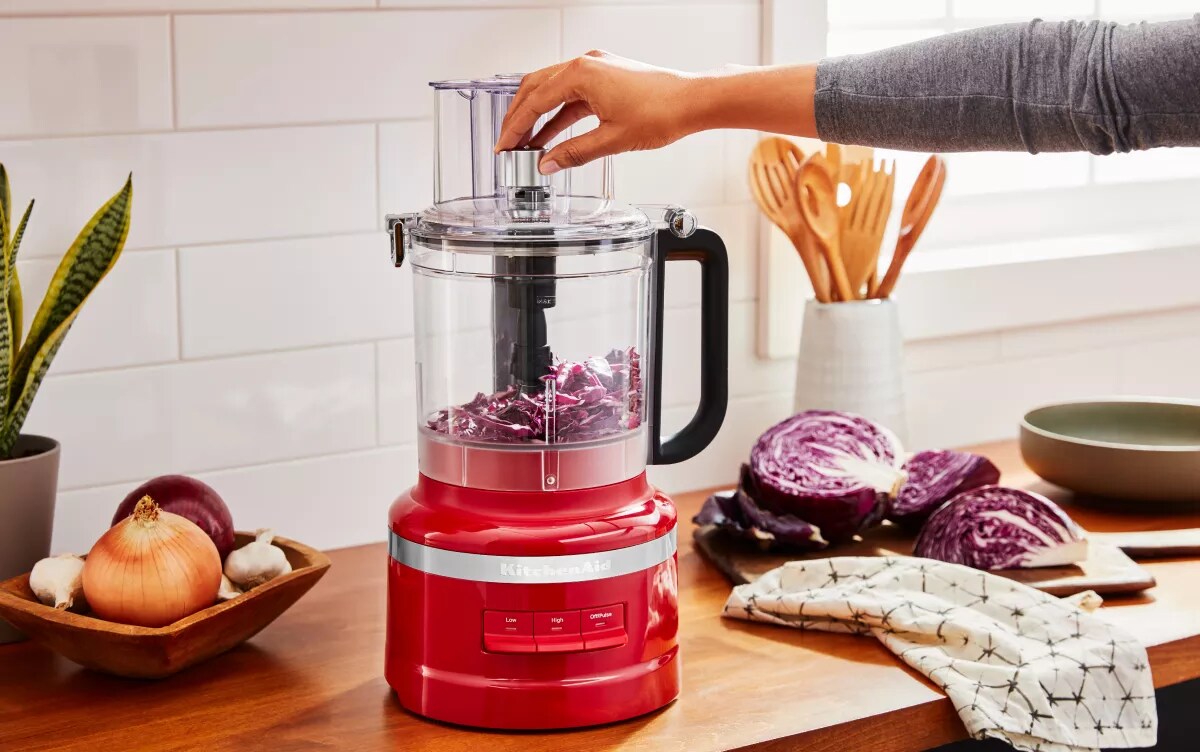
| KitchenAid | Diamond, Pro Line | Durable build, wide feed chute, variable speeds |
| Breville | BFP800XL Sous Chef | Powerful, multiple attachments, large capacity |
Credit: www.kitchenaid.com
Setting Up Your Food Processor
Place the bowl securely on the base and lock it in place. Attach the chosen blade carefully before adding ingredients. Ensure the lid is firmly closed to start processing safely.
Assembling The Components
Start with the base of the food processor. Place the bowl on the base. Ensure it clicks into place. Next, attach the blade to the center post. Handle the blade carefully; it’s very sharp. Now, put the lid on the bowl. Align it with the bowl’s handle. Secure it firmly. Finally, lock the safety latch.
Safety Precautions
Always keep hands away from the blade. Use the pusher for adding food. Never try to process hot foods. Ensure the lid is secure before starting. Do not overfill the bowl. This may cause spills or damage. Unplug the machine when not in use.
Cleaning Before First Use
Wash all removable parts with warm, soapy water. Rinse them thoroughly. Dry each piece with a clean towel. Wipe the base with a damp cloth. Avoid submerging the base in water. This prevents electrical damage. Ensure all parts are dry before assembling again.
Basic Operations And Controls
The power settings on a full-size food processor usually include low, high, and pulse modes. Low speed is good for mixing and light chopping. High speed works well for shredding and pureeing. Pulse mode gives short bursts of power for better control.
Different blades and discs help with various tasks. A sharp S-shaped blade chops, mixes, and purees ingredients quickly. Shredding discs slice vegetables or cheese into thin strips. Slicing discs create even, thin slices of fruits or vegetables.
Pulse mode is great for chopping ingredients that need a rough texture. It stops the machine after each burst, so you can check the food often. Continuous mode runs the processor until you turn it off. This is useful for smooth purees or dough.

Credit: www.chicagotribune.com
Preparing Ingredients For Processing
Cut ingredients into small pieces to fit inside the food processor bowl. Large chunks may cause uneven chopping or damage the machine. Remove pits and seeds from fruits like cherries, peaches, and olives to protect the blades and avoid a bitter taste.
Separate dry and wet ingredients for best results. Dry items like nuts and spices blend well on their own. Wet ingredients like tomatoes or cucumbers should be processed with care to avoid excess liquid. Processing too many wet ingredients can make mixtures watery and harder to control.
Common Food Processing Techniques
Chopping and dicing are perfect for vegetables and nuts. Use the pulse button for short bursts. This helps control the size and shape.
Slicing and shredding work best for cheese, carrots, and cucumbers. Attach the right disc. Feed food through the chute slowly for even slices or shreds.
Pureeing and blending create smooth textures. Great for soups, sauces, and baby food. Add ingredients gradually and blend until smooth.
Kneading dough uses the dough blade. Combine flour, water, and yeast inside the bowl. Let the machine knead until the dough is soft and elastic.

Credit: www.cuisinart.com
Tips For Efficient And Safe Use
Overfilling the bowl can cause the food processor to stop working. Leave some space for the ingredients to move around. This helps the blades cut food evenly.
Food jams happen when the machine gets too full or food gets stuck. Stop the processor and use a spatula to push food down. Never force the lid to open while running.
Blades are very sharp and can cut skin easily. Always hold the blades by the center or edges that do not cut. Use a brush to clean blades instead of your fingers.
Cleaning And Maintenance
Disassembling the food processor carefully prevents damage. Remove the lid, bowl, and blades. Handle blades with care to avoid cuts. Separate all parts for thorough cleaning.
- Most bowls and lids are dishwasher-safe.
- Place parts on the top rack to avoid warping.
- Blades usually require hand washing to keep sharpness.
- Use warm, soapy water and a soft cloth for delicate parts.
Store the food processor in a dry place. Keep all parts together to avoid losing pieces. Wrap blades in a cloth for safety. Clean before storing to prevent odors and stains.
Troubleshooting Common Issues
Motor won’t startmight mean the processor is not plugged in properly. Check the power cord and outlet first. The lid may not be locked correctly. Make sure to secure it tightly. The safety switch could be faulty; try pressing it firmly. Overheating can cause the motor to stop. Let it cool down for 15 minutes.
Unusual noisescan come from loose parts. Tighten all screws and attachments. The blade might be hitting something hard inside. Remove and inspect it carefully. A worn motor or damaged gears can cause noise. If sounds persist, contact a repair service.
Blade not spinningcould be due to a jam. Turn off and unplug the processor. Clear any stuck food or debris around the blade. Check if the blade is installed correctly. The drive shaft might be broken; this needs professional help.
Creative Recipes To Try
Homemade nut buttersare easy to make with a full-size food processor. Use nuts like almonds, peanuts, or cashews. Blend until smooth and creamy. Add a pinch of salt or a little honey for flavor. Store in a jar for fresh use.
Fresh salsa and dipscome alive with chopped tomatoes, onions, and peppers. Pulse the ingredients to keep a chunky texture. Add cilantro, lime juice, and salt for taste. Perfect for snacks or party starters.
Preparing vegetables for meals saves time. Chop carrots, celery, and onions evenly using the food processor. Use the slicing blade for cucumbers or zucchini. This step helps make cooking faster and easier.
Frequently Asked Questions
What Are The Main Uses Of A Full-size Food Processor?
A full-size food processor chops, slices, grates, and purees large food quantities. It saves time in meal prep and handles tough ingredients efficiently.
How Do I Safely Assemble A Full-size Food Processor?
Align the bowl with the base and lock it in place. Attach the lid securely before operating to ensure safety during use.
Can I Process Hot Ingredients In A Food Processor?
Avoid processing hot ingredients to prevent damage or spills. Let foods cool before adding to maintain appliance safety and performance.
What Blades Come With A Full-size Food Processor?
Most models include chopping, slicing, and shredding blades. Each blade serves a specific task for versatile food preparation.
Conclusion
Using a full-size food processor makes cooking faster and easier. It saves time chopping, slicing, and mixing ingredients. This tool helps prepare meals with less effort. Cleaning is simple if done right after use. Practice with different settings to find what works best.
Enjoy creating various dishes with this handy kitchen appliance. Cooking becomes more fun and less tiring. Keep safety in mind while using the processor. Try new recipes and explore its many functions. A full-size food processor is a great help in any kitchen.