
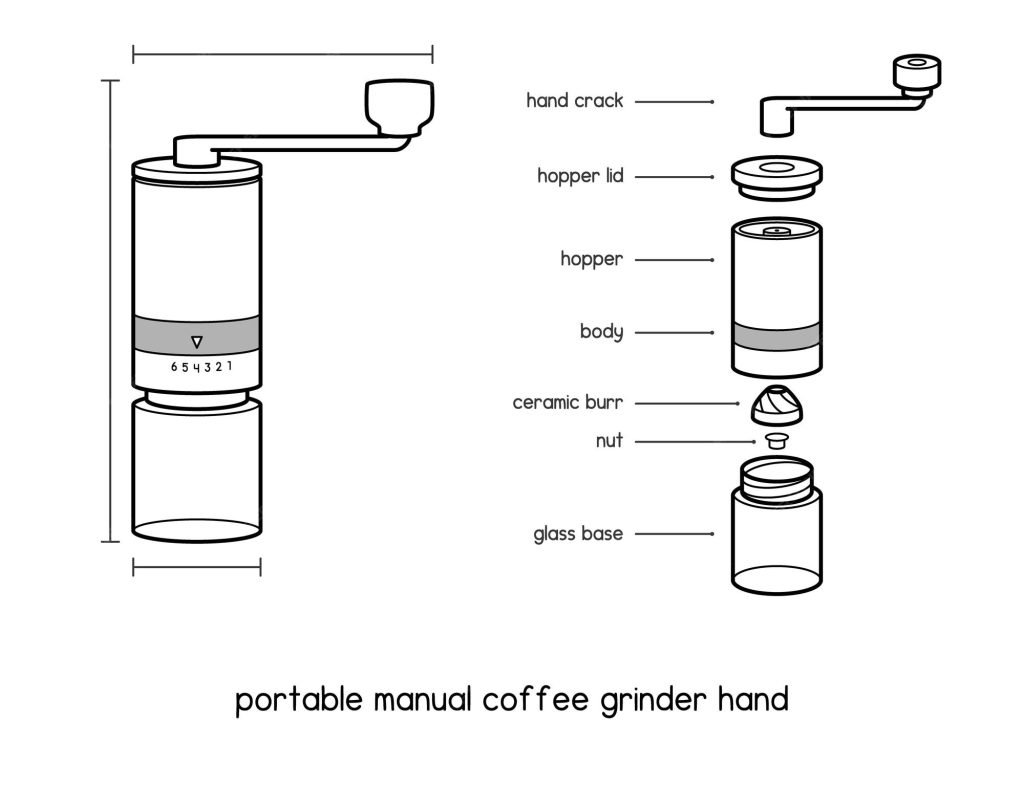
If you love coffee, grinding your own beans can change the way your cup tastes. But maybe you’re not sure how to use a coffee grinder the right way.
Don’t worry—this guide will walk you through every step, so you get the freshest, most flavorful brew every time. By the end, you’ll know exactly how to unlock the full potential of your coffee beans, making each sip richer and more satisfying.
Ready to upgrade your coffee game? Let’s dive in.
Choosing The Right Grinder
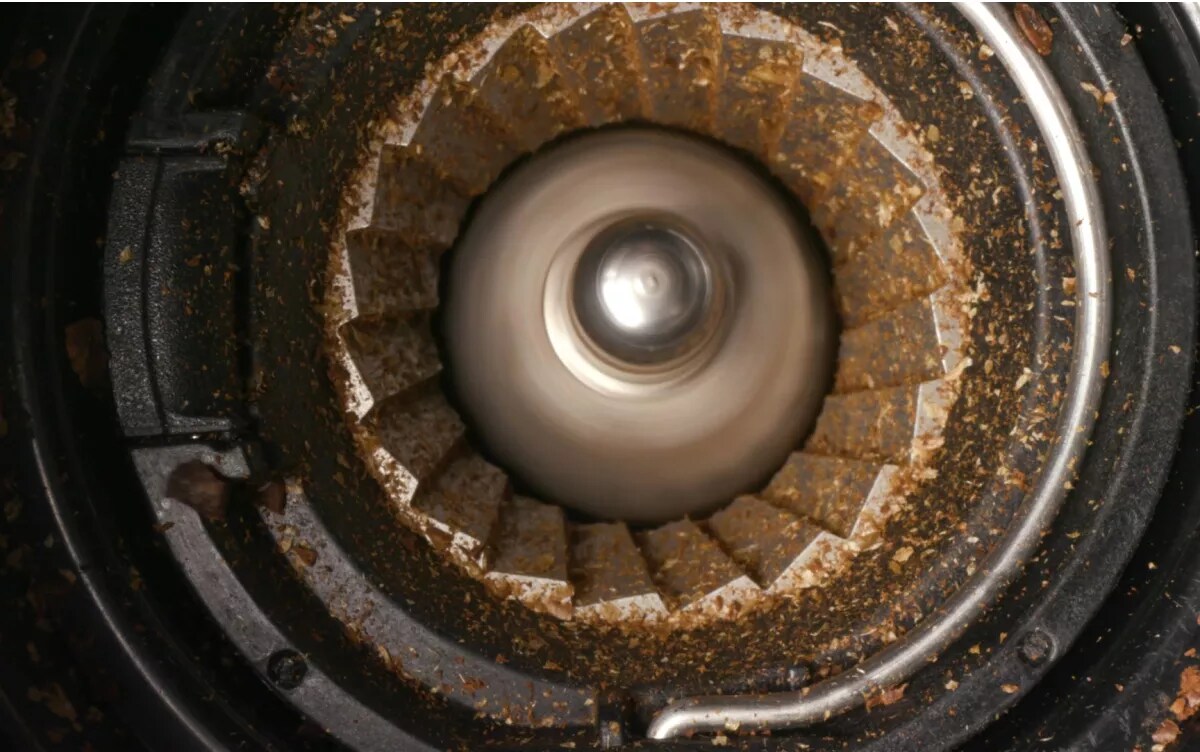
Blade grinderschop coffee beans with blades. They are usually cheaper. They can create uneven grounds. Burr grinderscrush beans between two burrs. This gives a more consistent grind size. Burr grinders are better for making espresso or French press coffee.
Manual grinders need hand power. They are quiet and easy to carry. Electric grinders work fast and need less effort. They are good for busy mornings or making coffee for many people.
| Feature | Why It Matters |
|---|---|
| Grind Size Settings | Allows control over how fine or coarse the coffee is ground. |
| Capacity | How much coffee the grinder can hold at once. |
| Ease of Cleaning | Simple parts help keep the grinder clean and working well. |
| Durability | Strong materials last longer and handle daily use. |
Grinding Basics
Grind sizechanges the taste of your coffee. Fine grinds work best for espresso. Coarse grinds suit French press or cold brew. Medium grinds are good for drip coffee makers.
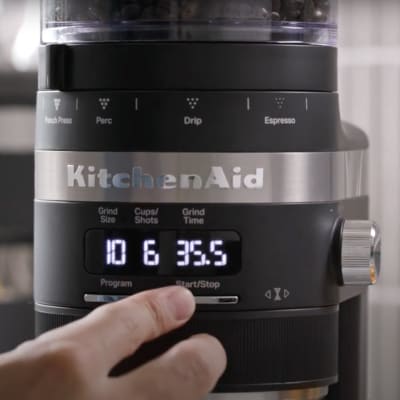
Adjust grind settingson your grinder to match the coffee type. Turn the dial or knob to choose fine, medium, or coarse. Test small amounts to find your favorite taste.
Measuring coffee groundshelps make your coffee strong or mild. Use a kitchen scale or measuring spoon. Usually, 1 to 2 tablespoons of ground coffee per cup works well.
Step-by-step Grinding Process
Ensure the coffee grinder is clean before use. Check the hopper and burrs for leftover coffee. Plug in the grinder and place a bowl or container underneath. Measure the right amount of coffee beans for grinding. Adjust the grind size setting based on your brewing method.
Hold the grinder steady. Press the button or turn the handle to start grinding. Use short pulses for a coarse grind and longer for a fine grind. Avoid overfilling the hopper to prevent uneven grinding.
Unplug the grinder before cleaning. Use a brush to remove coffee grounds from burrs and hopper. Wipe the exterior with a damp cloth. Regular cleaning keeps the grinder working well and prevents old flavors mixing with fresh coffee.
Credit: www.kitchenaid.com
Common Grinding Mistakes
Overgrindingcoffee makes the grounds too fine. This can cause bitter tasteand slow brewing. Undergrindingleaves big chunks. It leads to weak and watery coffee. Both affect flavor and extraction time.
Inconsistent grind sizemeans some pieces are big, some small. This causes uneven brewing. Some grounds get over-extracted, some under-extracted. The result is a mix of sour and bitter flavors. Aim for even grind size for better taste.
Neglecting grinder carecan hurt performance. Old coffee oils and dust build up inside. This changes flavor and can break the grinder. Cleaning regularly keeps the machine running well. Use a brush or cloth to remove leftover grounds.
Enhancing Coffee Flavor
Fresh coffee beanskeep the best flavor. Store them in an airtight containeraway from light and heat. Only grind the amount you need. Grinding beans just before brewing keeps the taste bold and rich. Avoid storing ground coffee for long; it loses aroma fast.
| Brewing Method | Recommended Grind Size | Notes |
|---|---|---|
| Espresso | Fine | Almost like powder, for quick extraction |
| Drip Coffee | Medium | Similar to sand, balanced extraction |
| French Press | Coarse | Chunky grounds, avoid over-extraction |
Try different grind sizes to find your favorite taste. Finer grinds make coffee stronger but can be bitter. Coarser grinds are milder but may taste weak. Adjust grind size based on how coffee feels and tastes. Small changes can make a big difference.

Credit: www.youtube.com
Credit: www.kitchenaid.com
Frequently Asked Questions
What Are The Different Types Of Coffee Grinders?
Coffee grinders come mainly in blade and burr types. Burr grinders provide uniform grind sizes, enhancing flavor. Blade grinders are less expensive but less consistent. Choose based on your brewing method and budget for optimal coffee results.
How Do I Choose The Right Grind Size?
Grind size depends on your brewing method. Coarse grinds suit French press, medium for drip coffee, fine for espresso. Adjust grind size to control extraction time and flavor. Correct grind size ensures balanced, rich coffee taste.
How Often Should I Clean My Coffee Grinder?
Clean your coffee grinder every 1-2 weeks for best performance. Residual oils and grounds can cause stale flavors. Use a brush or grinder cleaner to remove buildup. Regular cleaning extends grinder life and improves coffee taste.
Can I Grind Coffee Beans For Other Uses?
Yes, ground coffee can be used for baking or skincare. Freshly ground beans enhance recipes like cakes or scrubs. However, use clean grinder settings to avoid flavor contamination. Grinding versatility makes coffee beans useful beyond brewing.
Conclusion
Using a coffee grinder can make your coffee taste fresher and better. Choose the right grind size for your brewing method. Grind just the right amount to avoid waste. Clean your grinder regularly to keep it working well. Experiment with different settings to find your favorite flavor.
Enjoy the process—it makes your coffee time special. Small steps lead to great coffee at home. Keep practicing, and you will see the difference.