

Are you ready to elevate your brisket game to the next level? Imagine slicing through that perfectly smoked brisket with ease, each cut revealing juicy, mouth-watering goodness.
The secret to achieving such perfection often lies in the tools you use. A carving knife isn’t just any kitchen tool—it’s your brisket’s best friend. With the right technique, you can transform a simple meal into an unforgettable dining experience.
In this guide, you’ll discover how to wield your carving knife like a pro, ensuring each slice of brisket is as tender and flavorful as the last. Ready to impress your friends and family with your culinary skills? Let’s dive in and explore the art of using a carving knife for brisket.
Choosing The Right Carving Knife
A good carving knife is key for slicing brisket smoothly. The blade typeaffects cutting ease. Common types include straight-edgedand serrated. Straight blades give clean cuts, while serrated blades grip the meat well.
Blade size matters too. A blade length between 8 to 12 inchesis ideal. Longer blades make slicing large briskets easier. Shorter blades offer more control but require more effort.
- Comfortable handlehelps maintain a steady grip.
- Look for handles made from non-slip materials.
- Ergonomic shapes reduce hand fatigue during long carving.
The materialof the knife affects how long it lasts. Stainless steel blades resist rust and stay sharp. High-carbon steel blades hold sharpness longer but need more care.

Credit: www.youtube.com
Preparing The Brisket
After cooking, let the brisket rest for 20-30 minutes. This helps the juices spread inside. Cutting it too soon can make the meat dry.
Trim off any excess fatbefore carving. Leave a thin layer for flavor and moisture. Too much fat can make the brisket greasy.
Place the brisket on a stable cutting board. Position it so the grain of the meat runs left to right. This helps in making clean, even slices with the carving knife.
Carving Techniques
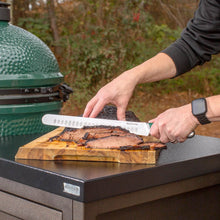
Slicing against the grainhelps keep brisket tender. Look for the lines in the meat and cut across them. This breaks the fibers and makes each bite easier to chew.
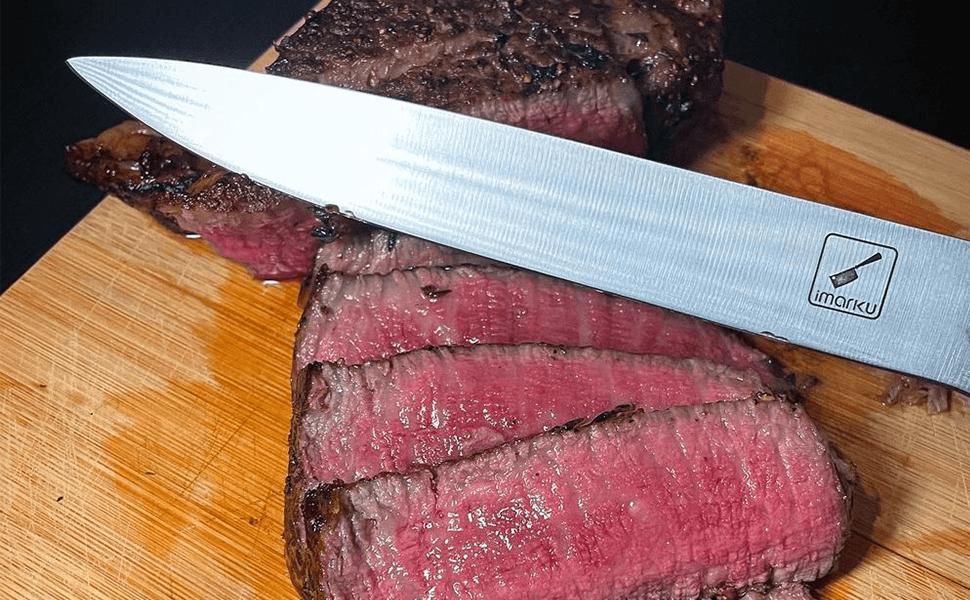
Maintaining even thicknessensures the brisket cooks and tastes consistent. Try to make slices about the same size, around 1/4 inch thick. This helps in serving and presentation.
Use smooth, controlled strokeswith your carving knife. Avoid sawing or pressing too hard. Let the sharp blade do the work. This keeps slices neat and prevents tearing.
Credit: biggreenegg.ca
Safety Tips
Hold the knife firmly by the handle. Keep your fingers away from the blade. Always cut away from your body to avoid accidents.
Use a flat, sturdy cutting board. This stops the knife from slipping. Place a damp cloth under the board for extra grip.
- Keep fingers curled and clear of the cutting path.
- Use your knuckles as a guide for the knife.
- Move the knife in smooth, steady strokes.
Knife Maintenance
Sharpening a carving knifekeeps it cutting smoothly and safely. Use a whetstone or sharpening steel for best results. Hold the knife at a 20-degree angle. Slide it across the sharpener evenly, about 5-10 times each side. Test sharpness by slicing through paper or a tomato skin. Dull knives can cause accidents and tear meat.
Cleaning your knife after use prevents rust and keeps it hygienic. Wash with warm water and mild soap. Avoid soaking the knife or using harsh detergents. Dry it immediately with a soft cloth. Never put a carving knife in the dishwasher; it can damage the blade and handle.
Proper storage protects the blade and keeps it ready for next use. Use a knife block, magnetic strip, or blade guard. Keep knives separate from other utensils to avoid dulling. Store in a dry place to prevent rust and corrosion.
Serving Suggestions
Serve brisket on a wooden board or a warm plate for a rustic look. Thin slices make it easy to eat and look neat. Garnish with fresh herbs for color and aroma. For a casual meal, pile slices in a sandwich with pickles and onions.
Offer a variety of sauces to suit different tastes. Classic barbecue sauce is a favorite. Mustard-based sauces add a tangy twist. Creamy horseradish sauce gives a spicy kick. Place sauces in small bowls for easy dipping.
| Portion Size | Guest Type | Notes |
|---|---|---|
| 3-4 oz | Children | Smaller portions to avoid waste |
| 6-8 oz | Adults | Standard serving size for a meal |
| 8-10 oz | Big eaters | Extra slices for hearty appetites |
Credit: imarku.net
Frequently Asked Questions
How Do You Hold A Carving Knife For Brisket?
Hold the carving knife firmly with your dominant hand. Grip the handle tightly and rest your index finger along the blade spine for control. Keep your wrist steady to make smooth, even slices through the brisket.
What Is The Best Slicing Technique For Brisket?
Use long, smooth strokes to slice against the grain. This ensures tender, even pieces. Avoid sawing motions to prevent shredding the meat. Maintain a consistent thickness for better presentation and texture.
How Sharp Should A Carving Knife Be For Brisket?
A carving knife should be razor-sharp for brisket. Sharpness allows clean, precise cuts without tearing the meat. Regularly hone your knife and sharpen it before use to maintain its edge.
Can I Use Any Carving Knife For Brisket?
Choose a carving knife with a thin, long blade for brisket. Not all knives are suitable; some may be too short or dull. Invest in a quality knife designed for slicing large roasts.
Conclusion
Using a carving knife for brisket makes slicing easier and neater. Hold the knife steady and cut against the grain. Thin slices help the meat stay tender and juicy. Always keep the knife sharp for clean cuts. Practice a few times to feel more confident.
Enjoy your brisket with friends or family. This simple skill improves your cooking and serving. Keep your knife safe and clean after use. Simple steps lead to great results every time.