

Have you ever struggled to carve a roast or turkey without making a mess? Using a carving fork might seem simple, but mastering it can make your slicing smoother and safer.
You’ll discover easy tips to handle a carving fork like a pro. By the end, you’ll impress your family and friends with perfectly carved meals every time. Ready to learn the secret to effortless carving? Keep reading!
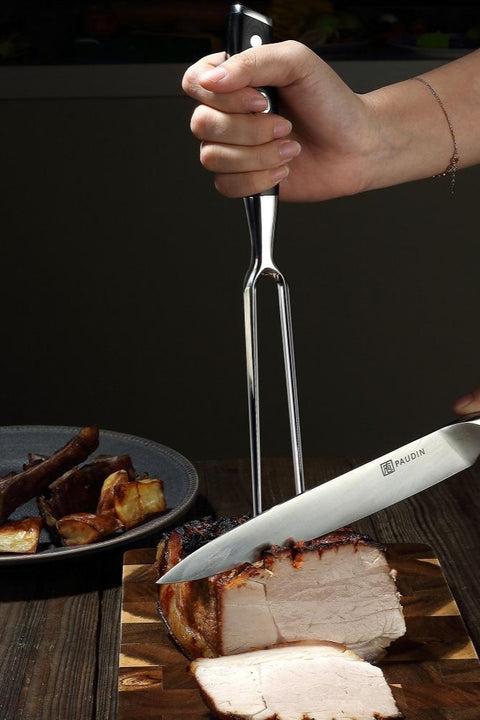
Credit: paudinstore.com
Choosing The Right Carving Fork
Choosing a carving fork with sturdy, sharp tines helps hold meat firmly while slicing. Use it to steady food, making carving safer and easier.
Types Of Carving Forks
Carving forks come in different styles. Some have two tines, others have three or four. The two-tine fork is common and good for most meats. A three or four-tine fork gives extra grip for larger pieces. Choose the style that feels easy to hold and control.
Material And Design Considerations
Look for forks made of stainless steel. It resists rust and lasts long. Handles may be wood, plastic, or metal. Wood feels warm and natural. Plastic is easy to clean. Metal handles are very strong. Pick a design that fits your hand comfortably.
Matching Forks With Knives
Use a carving fork that matches your carving knife’s size. A long fork works best with a long knife. This helps you hold the meat steady and carve thin slices. Matching styles also look nice together on the table.

Credit: www.amazon.com
Preparing For Carving
Set your carving station on a stable surface. Keep your carving fork, knife, and cutting board close. Make sure the area is well-lit and clean. Use a large cutting board to catch juices and avoid spills. Have a plate ready for the carved meat.
- Use a sharp carving knife for smooth cuts.
- Hold the carving fork firmly to steady the meat.
- Keep your fingers away from the blade.
- Cut slowly and carefully to avoid accidents.
- Clean your tools before and after use.
Let the meat rest for 10-15 minutes after cooking. This helps the juices settle inside. Resting makes the meat juicy and easier to carve. Cover the meat with foil to keep it warm while resting.
Holding The Carving Fork
Hold the carving fork firmly with your dominant hand. Wrap your fingers around the handle for a strong grip. Keep your thumb on one side and fingers on the other for balance. Use the fork to steady the meat while carving.
Position the fork so the tines point down and pierce the meat deeply. This keeps the meat from slipping. Keep your wrist straight to avoid strain and maintain control. Hold the fork close to the meat for better stability.
- Avoid holding the fork too loosely or too tightly.
- Do not place fingers near the sharp tines.
- Avoid moving the fork too much while cutting.
Carving Techniques With The Fork
Hold the carving fork firmlyto keep the meat steady. Insert the fork deep into the meat’s thickest part. This stops the meat from moving while cutting. Use the fork to press down gently but firmly.
Use the fork to guide your knife. The fork helps make clean, even slices. Keep the meat steady with the fork as you slice slowly. The fork can also lift slices onto a plate safely.
| Type of Meat | Carving Tip |
|---|---|
| Roast Beef | Slice against the grain for tender pieces. |
| Turkey | Use the fork to hold breast meat steady while slicing. |
| Ham | Cut thin slices, using the fork to control thickness. |
| Lamb | Hold firmly with the fork and carve thin slices. |
Cleaning And Maintaining Your Carving Fork
To clean a carving fork, rinse it with warm water right after use. Use mild soap and a soft sponge to remove food particles. Avoid harsh scrubbers that can scratch the metal. Dry the fork immediately with a clean towel to stop rust.
Store your carving fork in a dry place. Keep it separate from other utensils to protect the tines. Using a knife block or a drawer organizer helps keep it safe and clean.
| Maintenance Task | How to Do It | Frequency |
|---|---|---|
| Sharpening | Use a fine whetstone or sharpening tool on the tines. | Every few months or when dull |
| Check Handle | Tighten screws or replace if loose or damaged. | Monthly |
| Rust Removal | Use a mixture of baking soda and water to scrub rust spots gently. | As needed |

Credit: www.amazon.com
Troubleshooting Common Issues
Fork slippingcan happen if you do not hold the carving fork firmly. Make sure to push the fork deep into the meat. Keep a steady grip to prevent it from moving while cutting.
Uneven slicesoften result from using a dull knife or cutting too fast. Use a sharp knife and slice slowly. Let the knife do the work, not your hands.
Handling tough cutsneeds patience. Use the carving fork to hold the meat steady. Cut across the grain for softer slices. If the meat is very tough, try warming it slightly before cutting.
Frequently Asked Questions
What Is The Primary Use Of A Carving Fork?
A carving fork holds meat steady during slicing. It ensures precise, even cuts and prevents slipping. This tool improves safety and efficiency when carving roasts, poultry, or ham. Using it properly enhances presentation and serving experience.
How Do You Hold A Carving Fork Correctly?
Grip the handle firmly with your dominant hand. Insert the fork tines deeply into the meat. Hold the meat steady without piercing too much. This control helps make clean, safe slices and maintains meat texture.
Can A Carving Fork Be Used For Other Foods?
Yes, a carving fork can stabilize large vegetables or fruits. It assists in slicing melons, pumpkins, or similar foods safely. While designed for meat, its sturdy design suits many kitchen tasks requiring steady holding.
How To Clean And Maintain A Carving Fork?
Wash with warm, soapy water immediately after use. Dry it thoroughly to prevent rust or damage. Regularly sharpen the tines if needed and store in a dry place. Proper care extends the fork’s lifespan and performance.
Conclusion
Mastering the carving fork enriches your cooking experience. It ensures precision while slicing meats. Practice improves your grip and control. Use it with confidence at family gatherings. Impress your guests with neat, elegant cuts. Always choose a fork that fits your hand comfortably.
Quality tools enhance your kitchen skills. Remember to clean and store it properly. A well-maintained fork lasts longer. Explore new recipes and techniques. Keep honing your carving skills. Enjoy the satisfaction of beautifully presented dishes. Happy carving!