
Are you ready to master a tool that can make your DIY projects easier and more precise? A bench grinder is one of the most useful machines in your workshop, but only if you know how to use it safely and effectively.
Whether you want to sharpen tools, shape metal, or remove rust, understanding the right techniques will save you time and effort. In this guide, you’ll learn step-by-step how to use a bench grinder like a pro, avoid common mistakes, and get the best results every time.
Keep reading—your next project is about to get a whole lot smoother.
Choosing The Right Bench Grinder
Bench grinders come in different types. Some have one wheel, others have two. The choice depends on your work needs. A single wheel grinder is good for basic tasks. Dual wheel grinders offer more versatility.
Selecting the right wheelis important. Wheels vary in material, size, and grit. Harder wheels suit metal grinding. Softer wheels work well for sharpening tools. Always match the wheel to your task.
| Power (Watts) | Speed (RPM) | Best Use |
|---|---|---|
| 150-250 | 3000-3600 | Light tasks, home use |
| 250-500 | 3600-4500 | Medium work, sharpening |
| 500+ | 4500+ | Heavy-duty, professional |
Power and speed affect how well the grinder works. Higher power handles tougher jobs. Speed controls the finish quality. Choose a grinder that matches your project requirements.
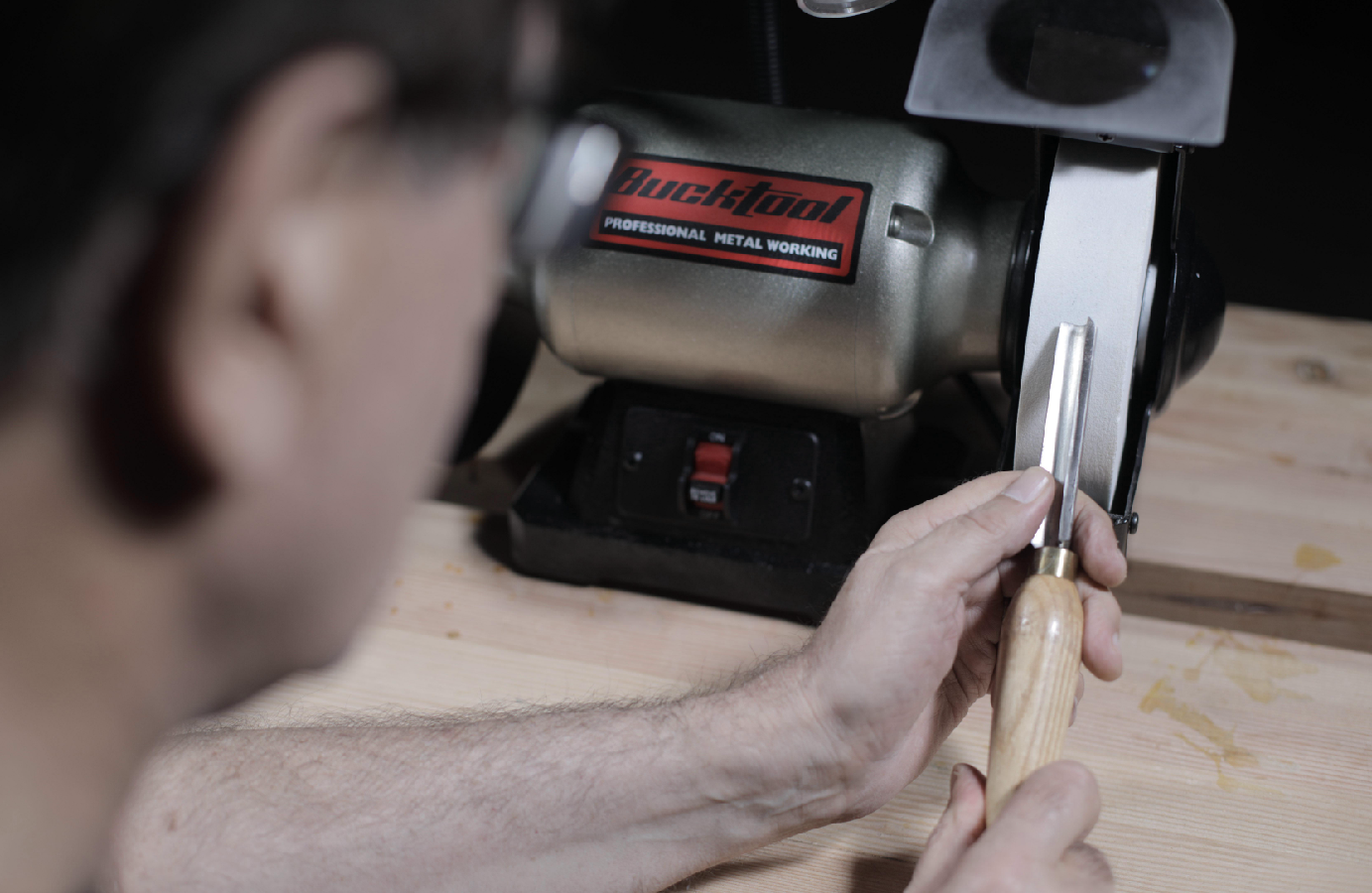
Credit: bucktool.com
Setting Up Your Bench Grinder
Place the bench grinder on a flat, stable surface. This prevents any shaking during use. Make sure it is near a power source but away from water or damp areas.
Install grinding wheels by first cleaning the spindle and wheel hole. Slide the wheel carefully onto the spindle. Tighten the nut securely but avoid over-tightening, which can crack the wheel.
Adjust tool rests so they are close to the grinding wheel, about 1/8 inch away. This helps keep tools steady while grinding.
Set eye shields to protect your eyes from sparks and debris. They should be clear and positioned just above the wheels.
Basic Grinding Techniques
Positioning your workpiececlose to the grinding wheel’s center helps keep control. Hold it firmly but not too tight. Keep the piece flat against the tool rest to avoid slipping.
Maintaining consistent pressureis key. Press gently and evenly. Too much force can damage the wheel and your workpiece. Let the grinder do the work, not your hands.
Avoiding overheatingis important for safety and quality. Move the workpiece back and forth across the wheel. Use water or a cooling block to cool the metal often. Overheated metal loses strength and can burn your fingers.

Credit: www.youtube.com
Safety Practices To Follow
Always wear safety gogglesto protect your eyes from sparks and debris. Use ear protectionto guard against loud noise. Gloves help protect your hands but avoid loose gloves that might catch in the grinder. Wear a dust maskto avoid inhaling fine particles.
Check the bench grinder for cracks or damagebefore each use. Ensure the wheel is not loose or worn out. Tighten all nuts and bolts securely. Look for proper wheel alignmentto avoid accidents. Never use a grinder with a damaged wheel.
- Keep your hands steady and away from the wheel.
- Use the tool rest to support the workpiece.
- Do not force the material; let the grinder do the work.
- Stand to the side of the grinder to avoid injury from wheel breakage.
- Turn off the grinder and wait for it to stop completely before leaving it.
Advanced Grinding Tips
Sharpening tools with precisionrequires steady hands and patience. Hold the tool at the right angle against the wheel. Move it slowly to avoid overheating. Use light pressure to keep control. Cool the tool often in water to stop damage. Keep checking the sharpness. Repeat until the edge is even and smooth.
Different wheel types help with specific tasks. A coarse wheelremoves metal quickly. A fine wheelsmooths and polishes. Use a wire wheelto clean rust or paint. Always choose the wheel that fits the job. Change wheels carefully and follow safety rules.
| Issue | Cause | Fix |
|---|---|---|
| Wheel wobbling | Loose wheel or nut | Tighten the nut securely |
| Tool overheating | Too much pressure or speed | Use lighter pressure, cool tool |
| Uneven grinding | Incorrect angle or movement | Keep steady angle and slow motion |
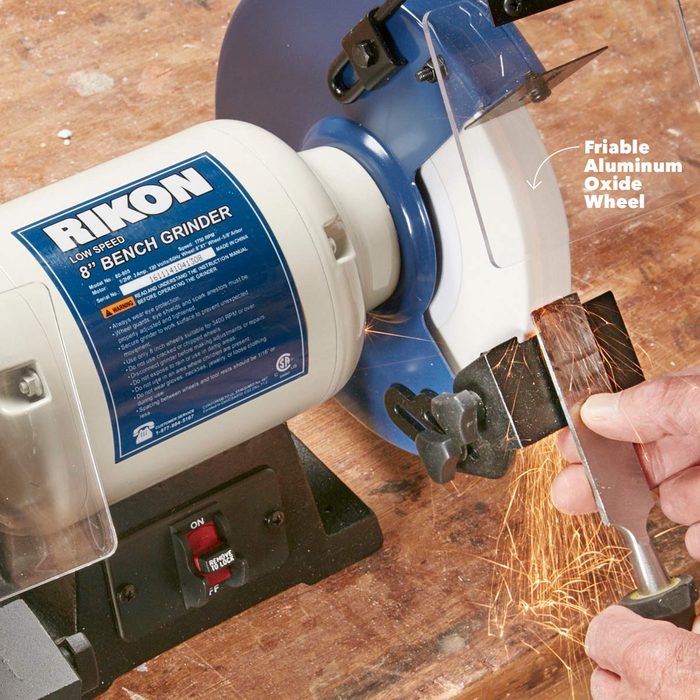
Credit: www.familyhandyman.com
Maintenance And Care
Regular cleaningkeeps your bench grinder safe and effective. Remove dust and debris after each use. Use a brush or cloth to wipe the tool. Avoid water to prevent rust.
Wheel dressingrestores the wheel’s shape and removes buildup. Use a diamond dresser or dressing stick. Dress the wheel when it spins unevenly or loses sharpness.
Check for any wear or damagebefore each use. Look for cracks, chips, or uneven wear on the wheels. Replace damaged wheels immediately to avoid accidents.
Store your bench grinder in a dry, safe place. Keep it away from moisture and dust. Cover it with a cloth or plastic sheet to protect it.
- Clean after every use
- Dress wheels regularly
- Inspect wheels for cracks or chips
- Replace damaged wheels right away
- Store in a dry, covered spot
Frequently Asked Questions
How Do I Safely Operate A Bench Grinder?
Always wear safety goggles and gloves before starting. Secure the workpiece firmly and keep fingers away from the wheel. Never wear loose clothing or jewelry. Use the tool rests and ensure the grinder is stable before use. Follow the manufacturer’s instructions for safe operation.
What Materials Can I Grind With A Bench Grinder?
Bench grinders are ideal for grinding metal, sharpening tools, and shaping wood or plastic. Avoid using them on soft or heat-sensitive materials. Always choose the right grinding wheel for your material to ensure efficiency and safety during use.
How Often Should I Replace The Grinding Wheels?
Replace grinding wheels when they show cracks, excessive wear, or uneven surfaces. Regularly inspect the wheels before each use. Using damaged wheels can cause accidents and reduce grinding performance. Proper maintenance extends wheel life and ensures safe operation.
Can I Use A Bench Grinder For Sharpening Tools?
Yes, bench grinders are excellent for sharpening blades, chisels, and drill bits. Use the appropriate grinding wheel and maintain a consistent angle while sharpening. Avoid overheating the tool by applying light pressure and cooling it frequently.
Conclusion
Using a bench grinder can be straightforward. Start with safety gear. Goggles and gloves protect you. Keep the tool steady while grinding. Practice makes perfect. Adjust the tool rest often. This ensures precision. Regular maintenance keeps your grinder efficient. Clean it after use.
Check for loose parts regularly. Safety should always come first. With these tips, you can use your bench grinder confidently. Remember, patience and practice are key. Happy grinding!