
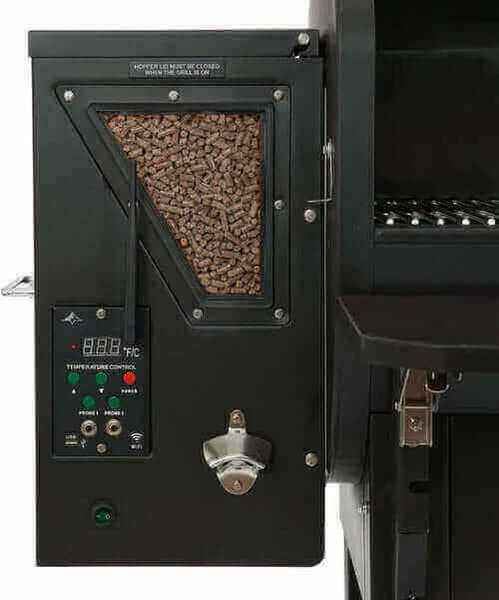
Are you struggling to keep your pellet grill at the right temperature? It can be frustrating when your grill won’t heat up properly or stays too hot, ruining your cooking plans.
But don’t worry—you’re not alone, and fixing these temperature issues is easier than you think. In this guide, you’ll discover simple steps you can take to troubleshoot your pellet grill and get it running perfectly again. Keep reading to unlock the secrets to perfect grilling every time.
Common Pellet Grill Temperature Problems
Pellet grills are popular for their easy temperature control and great taste. Still, users may face temperature problems during cooking.
Knowing the common temperature issues helps you fix them fast. This guide covers the main problems and their causes.
Temperature Fluctuations
Temperature fluctuations happen when the grill’s heat goes up and down unexpectedly. This can spoil your food’s cooking time and taste.
Fluctuations often come from dirty temperature probes or poor airflow inside the grill.
- Check and clean the temperature probe regularly.
- Keep vents open to ensure proper airflow.
- Use high-quality pellets to maintain steady heat.
Inconsistent Heat
Inconsistent heat means the grill does not keep a steady temperature. This can cause uneven cooking.
Common causes include pellet jams, low pellet supply, or a faulty auger motor.
- Check the pellet hopper and clear any jams.
- Refill pellets before they run out.
- Inspect the auger motor for proper function.
Grill Not Reaching Set Temperature
Sometimes the grill fails to reach the temperature you set. This can delay cooking or cause undercooked food.
Possible reasons include a bad temperature controller, poor insulation, or using damp pellets.
- Test and replace the temperature controller if needed.
- Check the grill’s seals and insulation for leaks.
- Use dry pellets to ensure proper burning.
Checking The Pellet Quality
Pellet quality affects your grill’s temperature control. Poor pellets can cause uneven heat or low temps.
Checking the pellets helps you fix temperature problems quickly. Look at moisture and pellet size.
Moisture Content In Pellets
Wet pellets do not burn well and cause low heat. Dry pellets burn evenly and keep steady temperatures.
- Store pellets in a dry place to avoid moisture.
- Check for signs of dampness or mold on pellets.
- Avoid using pellets that feel soft or crumbly.
- Use a moisture meter for accurate readings if possible.
Pellet Size And Composition
Pellet size and what they are made of affect burning speed and heat output.
| Pellet Size | Effect | Notes |
| Small (1/4 inch) | Burns faster | Good for quick heat but may burn unevenly |
| Medium (1/2 inch) | Burns steady | Best for most pellet grills |
| Large (3/4 inch and up) | Burns slower | May cause inconsistent heat |
| Composition | Burn Quality | Pure hardwood burns cleaner than mixed wood or fillers |
Inspecting The Grill Components
Checking your pellet grill parts is key to fixing temperature problems. Small issues can stop your grill from heating right.
Look closely at important parts to find any damage or dirt. This helps you know what needs cleaning or repair.
Auger And Pellet Feed System
The auger moves pellets to the fire pot. If it jams or runs slow, the fire may not get enough fuel.
- Check for pellet blockages in the hopper.
- Make sure the auger motor runs smoothly without noise.
- Clean any dust or debris around the feed system.
- Inspect the auger for damage or wear.
Fire Pot And Igniter
The fire pot holds the pellets as they burn. The igniter lights the pellets to start the fire.
| Component | What to Check | Signs of Trouble |
| Fire Pot | Clean inside and remove ash | Cold spots or weak flames |
| Igniter | Look for cracks or damage | Pellets don’t light or take too long |
Temperature Sensor Condition
The temperature sensor tells the grill how hot it is. A bad sensor gives wrong readings.
Check this list to inspect the temperature sensor:
- Look for dirt or grease on the sensor probe.
- Make sure the sensor is firmly in place.
- Test the sensor with a multimeter if you can.
- Replace the sensor if it shows wrong values.

Credit: ddrbbqsupply.com
Cleaning And Maintenance Tips
Keeping your pellet grill clean helps it work better and last longer.
Regular maintenance fixes common temperature problems and keeps food tasting good.
Removing Ash And Debris
Ash and leftover debris can block airflow and cause uneven heat in your grill.
- Turn off and unplug the grill before cleaning.
- Remove the grill grates and heat deflector.
- Use a vacuum or brush to clear ash from the fire pot and bottom of the grill.
- Empty the ash catcher if your grill has one.
- Wipe down surfaces to remove dust and small debris.
Cleaning The Fire Pot
The fire pot holds pellets and burns them to produce heat. Cleaning it improves burn quality.
| Cleaning Task | Tools Needed | Frequency |
| Remove leftover pellets | Gloves, scoop | Every 1-2 weeks |
| Scrape out ash buildup | Wire brush or scraper | Every 1-2 weeks |
| Clean the fire pot walls | Soft cloth, mild soap | Monthly or as needed |
Maintaining The Temperature Probe
The temperature probe tells the grill how hot it is. Dirty probes give wrong readings.
Wipe the probe with a damp cloth after each use. Avoid using harsh chemicals.
- Turn off and cool the grill before cleaning the probe.
- Remove the probe if your model allows it.
- Clean gently with warm soapy water and a soft cloth.
- Dry the probe completely before reinstalling.
- Check the probe for damage and replace if needed.
Adjusting Settings For Better Control
Pellet grills need precise temperature control for great cooking. Adjusting settings helps fix temperature problems.
Small changes can make your grill heat evenly and keep food safe. Learn how to adjust settings for better results.
Calibrating The Temperature Controller
Calibration makes sure the grill shows the right temperature. Without it, the grill may cook too hot or too cold.
Use a separate thermometer to check the grill’s actual heat. Compare it with the controller’s reading to find differences.
- Place a grill-safe thermometer on the cooking grate.
- Set your pellet grill to a target temperature.
- Wait 10-15 minutes for the grill to stabilize.
- Check the thermometer reading versus the controller.
- Adjust the controller settings to match the thermometer.
Using Wi-fi Or App Controls
Many pellet grills have apps or Wi-Fi control for easy temperature changes. These tools improve grill accuracy and convenience.
You can adjust heat and smoke without opening the grill. This keeps the temperature steady and food safe.
- Connect your grill to the app or Wi-Fi network.
- Monitor the grill temperature remotely.
- Change settings like temperature and fan speed.
- Receive alerts if the temperature changes suddenly.
Modifying Smoke And Heat Settings
Adjust smoke and heat levels to fix temperature problems. More smoke can lower heat, while less smoke can raise heat.
Changing the fan speed also controls how hot the grill gets. Faster fans increase heat and airflow.
- Reduce smoke level if the grill is too cool.
- Increase smoke for richer flavor but watch heat.
- Adjust fan speed to balance heat and smoke.
- Test changes and watch the temperature carefully.

Credit: www.reddit.com
Troubleshooting Electrical Issues
Pellet grills use electricity to control temperature. Electrical problems can cause temperature issues.
Fixing electrical issues helps your grill work properly and cook food evenly.
Power Supply And Wiring
Check if the grill is plugged in securely. Loose plugs cause power loss and temperature drops.
Inspect the wiring for damage or wear. Broken wires can stop electricity from reaching parts.
- Make sure the outlet works by testing with another device
- Look for frayed or cut wires and replace if needed
- Keep wires away from water and heat
Control Board Reset
The control board manages the grill’s temperature. Resetting it can fix glitches.
Turn off the grill and unplug it. Wait a few minutes, then plug it back in and turn it on.
- Unplug the grill for at least 5 minutes
- Press the power button after plugging back in
- Check if the temperature stabilizes
Sensor Replacement
Temperature sensors tell the grill the heat level. A faulty sensor gives wrong readings.
If the grill shows wrong temperatures, replace the sensor with a new one made for your model.
- Locate the temperature sensor inside the grill
- Remove the old sensor carefully
- Install the new sensor and secure wiring
- Test the grill to see if temperature reads correctly
Preventing Future Temperature Problems
Keeping your pellet grill’s temperature steady is key for great cooking. Fixing problems fast helps avoid damage and bad results.
Preventing temperature issues means caring for your grill and using the right parts. Small steps can stop big problems.
Regular Maintenance Schedule
Check your grill often to keep it working well. Clean the fire pot and check the auger for jams.
Set a weekly or monthly plan to inspect parts and clean the grill. This keeps the temperature steady and safe.
- Empty ash from the fire pot after each use
- Clean the grill grates and drip tray regularly
- Inspect the auger and feed system for blockages
- Check seals and gaskets for wear and tear
- Look for rust or damage on metal parts
Proper Pellet Storage
Keep pellets dry and fresh to avoid burns and smoke issues. Moisture can cause poor burning and temperature drops.
Store pellets in a sealed container in a cool, dry place. Avoid places with high humidity or heat.
- Use airtight bins or bags for pellets
- Keep pellets away from rain and moisture
- Do not store pellets near heat sources
- Buy pellets in small amounts for quick use
Using Quality Accessories
Choose parts made for your grill model. Low-quality parts can cause errors and temperature swings.
Use the right tools for cleaning and repair. Good accessories help your grill last longer and work better.
- Buy official or well-reviewed replacement parts
- Use proper cleaning brushes and tools
- Replace worn parts promptly
- Follow manufacturer guides for accessories

Credit: www.youtube.com
Frequently Asked Questions
Why Is My Pellet Grill Temperature Fluctuating?
Temperature fluctuations often result from poor pellet quality or inconsistent pellet feed. Ensure pellets are dry and the auger is clean. Also, check the grill’s temperature probe and fan for proper function. Regular maintenance helps stabilize heat output and prevents fluctuations.
How Do I Calibrate My Pellet Grill Thermostat?
To calibrate, compare the grill’s displayed temperature with an accurate external thermometer. Adjust settings using your grill’s control panel or consult the user manual. Regular calibration ensures precise cooking temperatures and consistent results every time.
What Causes My Pellet Grill To Not Reach High Temperatures?
Low temperatures may stem from damp pellets, clogged auger, or a malfunctioning igniter. Clean the grill thoroughly and replace old pellets. Verify the igniter and fan operation to ensure the grill reaches desired heat levels.
How Can I Fix Uneven Cooking On My Pellet Grill?
Uneven cooking is often due to improper pellet distribution or airflow issues. Avoid overloading the hopper and clean the grill’s interior regularly. Use a heat deflector or diffuser plate to promote even heat circulation.
Conclusion
Troubleshooting pellet grill temperature issues is simple with the right steps. Check the pellets, clean the grill, and inspect the thermostat. Small fixes often solve big problems. Keep your grill well-maintained for steady heat and better cooking. Patience and regular care make a difference.
Enjoy consistent smoking and grilling every time.