
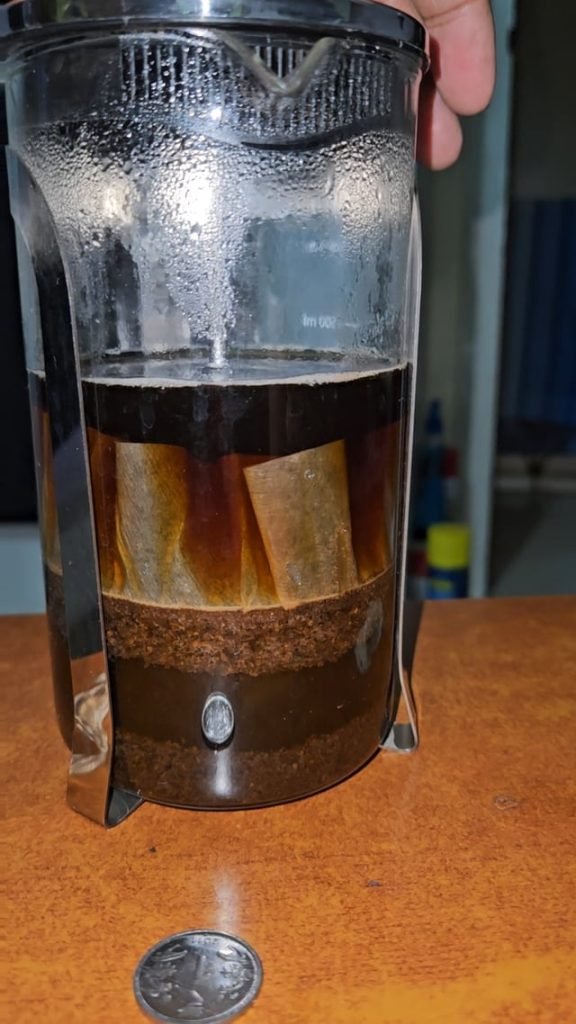
Are you frustrated with your French press not brewing the perfect cup of coffee? Maybe your coffee tastes bitter, or the grounds keep slipping through the filter.
These common problems can ruin your morning ritual, but the good news is they’re easy to fix. In this guide, you’ll discover simple and effective ways to troubleshoot your French press issues. By the end, you’ll know exactly how to get a smooth, rich coffee every single time.
Keep reading to unlock the secrets to mastering your French press!
Common French Press Problems
Weak or bitter coffeeoften means the coffee-to-water ratio is off. Using too little coffee makes it weak. Using too much or brewing too long can cause bitterness. Grind size matters too; coarse grounds work best for French press.
Sediment in the cuphappens because French press grounds are coarse but still fine enough to slip through the mesh filter. To reduce sediment, try using a slightly coarser grind or pouring carefully. Let the coffee settle before pouring.
Plunger difficult to presscan be due to too fine coffee grounds or packing the grounds too tightly. Use a coarser grind and don’t press down hard. Stir gently before pressing to release trapped air.
Coffee grounds overflowwhen too many grounds or too much water is used. Use the right amount of coffee and water for your French press size. Avoid filling it beyond the max level to prevent spills.

Credit: skillstrainingcollege.com.au
Water Temperature Tips
The ideal brewing temperaturefor a French press is between 195°F and 205°F (90°C to 96°C). This range helps extract the best flavors from the coffee grounds. Water that is too hot can cause a bitter taste by burning the coffee. Water that is too cold will not extract enough flavor, leading to weak coffee.
Maintaining the right temperature ensures a balanced, rich cup. Let boiled water cool for about 30 seconds before pouring. Using a thermometer can help keep water within the perfect range.
| Water Temperature | Effect on Coffee |
|---|---|
| Above 205°F (Too Hot) | Bitter, burnt taste |
| Between 195°F and 205°F (Ideal) | Rich, balanced flavor |
| Below 195°F (Too Cold) | Weak, under-extracted coffee |
Grind Size And Consistency
Coarse grindis best for a French press. It stops coffee grounds from passing through the filter. Fine grind can cause bitter tasteand clog the plunger.
Grind size affects brewing timeand flavor. Coarse grounds brew slower and taste smoother. Fine grounds brew fast but may taste harsh.
- Burr grindersgive a consistent grind size, which is key.
- Blade grinders often produce uneven grind, causing bad taste.
- Adjust the grinder to get a coarse, even grind.
Choosing the right grinder helps make better coffee. A steady grind size means fewer problems with French press brewing.
Brewing Time Adjustments
The optimal steeping durationfor a French press is usually around 4 minutes. Steeping too long can make the coffee taste bitter, while too short a time may result in weak flavor. Adjusting the brewing time helps match your taste preference.
For a stronger cup, try steeping for 5 minutes. For a lighter brew, reduce the time to 3 minutes. Experiment with small changes to find what suits you best.
- 3 minutes:Light and mild coffee
- 4 minutes:Balanced flavor and strength
- 5 minutes:Strong and bold taste
Proper Plunger Technique
Press the plunger slowly and evenly. A slow press avoids hot water spills and keeps coffee grounds settled. Apply gentle pressure to feel resistance. Stop if it gets too hard to press.
To avoid grounds in your coffee, do not push too fast or hard. Use a coarse grind to reduce sediment. Make sure the filter fits tightly on the plunger.
- Hold the French press steady with one hand.
- Press the plunger down gently and slowly.
- Stop pressing if you feel strong resistance.
- Use a coarse coffee grind for less sediment.
- Check the filter for any damage or gaps.

Credit: www.youtube.com
Cleaning And Maintenance
Troubleshooting a French Press starts with checking the filter for clogs or damage. Clean parts regularly to avoid bad taste and ensure smooth pressing. Adjust grind size and water temperature for better coffee extraction.
Daily Cleaning Tips
Rinse the French press after each use. Use warm water and soap. Be sure to clean the plunger and filter thoroughly. Check for coffee grounds stuck in the mesh. Dry all parts with a clean towel. This prevents rust and keeps it shiny. Store it in a dry place. Avoid leaving water inside to prevent odors.
Deep Cleaning For Better Flavor
Disassemble the French press once a week. Soak parts in warm soapy water. Use a soft brush to scrub the mesh. Inspect the rubber seal for wear. Replace if it’s damaged. Rinse all parts well. Let them air dry on a rack. Deep cleaning keeps coffee tasting fresh. No more stale flavors!
Using Quality Coffee Beans
Choosing fresh, quality coffee beans ensures a richer, smoother taste in your French press. Poor beans can cause bitterness or weak flavor, making troubleshooting easier. Always grind beans just before brewing for the best results.
Freshness Matters
Fresh coffee beans make a big difference. Stale beans taste bad. Always check the roast date on the package. Use beans within two weeks of roasting. Store them in an airtight container. Keep them away from light and moisture. This helps preserve their flavor and aroma. Fresh beans ensure a better coffee experience.
Selecting Beans For French Press
Choose the right beans for the French Press. Medium to dark roasts work best. They have a richer flavor. Avoid very oily beans; they can clog the filter. Coarse grind is important. Fine grinds slip through the filter. This makes the coffee gritty. Test different beans to find your favorite taste. Quality beans give a smoother coffee.

Credit: www.reddit.com
Frequently Asked Questions
Why Is My French Press Coffee Bitter?
Bitter coffee often results from over-extraction. Steep coffee grounds for 4 minutes at 200°F. Use coarser grounds and avoid pressing too hard.
How To Fix Weak French Press Coffee?
Weak coffee usually means under-extraction. Increase coffee amount or steep time. Use a proper coffee-to-water ratio of 1:15 for stronger flavor.
What Causes Sediment In French Press Coffee?
Sediment occurs due to fine coffee grounds passing the filter. Use coarser grind size and press gently to reduce sediment in your cup.
Why Is My French Press Coffee Cloudy?
Cloudiness happens when coffee oils and fine particles mix in. Use fresh, coarser grounds and clean your French press regularly for clear coffee.
Conclusion
Troubleshooting your French press can improve your coffee experience. Check the grind size and water temperature first. Clean your press regularly to avoid bad taste. Press slowly and evenly for the best results. Small changes can make a big difference in flavor.
Keep practicing and enjoy your perfect cup every time. Simple steps lead to great coffee moments.