
Is your electric grill smoking more than it should? You’re not alone.
When your grill starts to billow smoke unexpectedly, it can be frustrating and even a little alarming. But don’t worry—this doesn’t always mean your grill is broken or unsafe. Understanding why your electric grill smokes and how to fix it can save you time, money, and stress.
In this guide, you’ll learn simple, effective steps to troubleshoot and stop that unwanted smoke, so you can get back to grilling delicious meals with confidence. Keep reading, and you’ll soon master the art of a smoke-free electric grill experience.
Common Causes Of Grill Smoking
Electric grills can start smoking for several reasons. Knowing these causes helps you fix the problem quickly.
Smoking can affect your cooking and make cleaning harder. Check the common causes below to keep your grill safe and clean.
Grease Buildup
Grease from cooking collects inside the grill over time. This buildup can heat up and cause smoke.
Cleaning the grease tray and grill plates often helps stop smoke from grease buildup.
- Remove leftover grease after each use
- Use warm soapy water to clean parts
- Check the grease tray regularly
Food Residue
Leftover food bits can burn on the grill surface. Burning food residue creates smoke and bad smells.
Scrubbing the grill plates and wiping food particles away stops smoke from food residue.
- Clean grill plates after cooking
- Use a grill brush to remove stuck food
- Wipe the surface with a damp cloth
Electrical Issues
Faulty wiring or damaged heating elements can cause sparks or overheating. This leads to smoke and safety risks.
Inspect the power cord and heating parts regularly. Replace damaged components to prevent smoking from electrical problems.
- Check for frayed or cut wires
- Look for burnt or melted parts
- Unplug the grill before cleaning or repairs
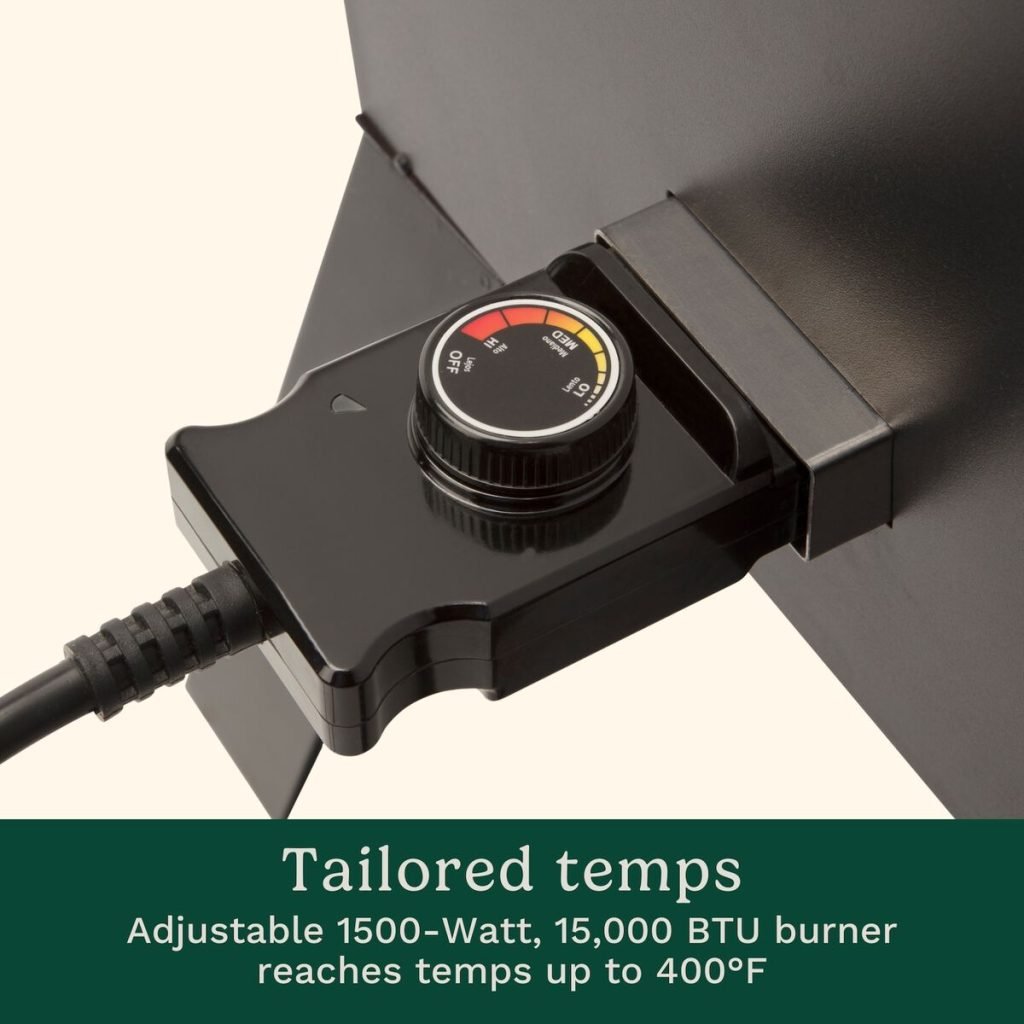
Improper Temperature Settings
Setting the grill temperature too high can burn food and grease. This causes smoke and may damage the grill.
Use the correct temperature for your food. Adjust the heat to avoid burning and smoking.
- Start with medium heat for most foods
- Lower heat for delicate items like fish
- Increase heat only when needed
Credit: www.atbbq.com
Cleaning Techniques To Reduce Smoke
Electric grills can produce smoke if they are not clean. Dirt and grease build-up cause smoke during cooking. Regular cleaning helps reduce smoke and keeps your grill safe.
Focus on deep cleaning the grill plates, removing grease trays, and using brushes and scrapers. These steps keep your grill working well and cut down smoke.
Deep Cleaning The Grill Plates
Grill plates hold food and grease. Over time, grease hardens and causes smoke. Clean the plates deeply to stop smoke and keep food tasty.
Unplug the grill and let it cool. Remove the plates if possible. Soak them in warm soapy water for 15 to 30 minutes. Use a soft sponge to scrub the plates gently.
- Remove stuck food with a non-metal brush
- Rinse plates with clean water
- Dry completely before reattaching
Removing Grease Trays
Grease trays catch fat and juices during grilling. If full, they cause smoke and fire risk. Empty and clean them regularly to avoid smoke.
Take out the grease tray carefully. Pour the grease into a safe container for disposal. Wash the tray with warm water and dish soap. Dry it well before putting it back.
- Check tray before and after each use
- Use paper towels to wipe extra grease
- Clean trays prevent smoke and bad smells
Using Grill Brushes And Scrapers
Brushes and scrapers remove stuck food and grease. Using the right tools keeps your grill clean and reduces smoke. Choose brushes with soft or medium bristles.
After cooking, scrape off leftover food while the grill is warm. Brush the grill plates in gentle strokes. Avoid metal tools that can damage non-stick surfaces.
- Use plastic or nylon grill brushes
- Scrape gently to avoid scratches
- Clean tools after each use to prevent bacteria
Adjusting Temperature For Less Smoke
Electric grills can produce smoke if the temperature is too high. Adjusting the heat helps reduce smoke during cooking.
Knowing how to set and control the grill temperature is key to a cleaner grilling experience.
Setting The Right Heat Level
Choose a moderate heat setting instead of the highest level. High heat causes oils and fats to burn quickly.
Start with medium heat and adjust if needed to avoid thick smoke.
- Use medium or low heat for fatty foods
- Increase temperature slowly if food cooks too slow
- Lower heat if smoke becomes heavy
Avoiding Overheating
Do not let the grill stay at high temperature for too long. Overheating burns food and creates smoke.
Turn the grill off or reduce heat during breaks in cooking to keep smoke low.
- Watch the temperature gauge closely
- Turn heat down if smoke starts to rise
- Clean grill regularly to avoid buildup that burns
Using Preheat Wisely
Preheat the grill just long enough to reach cooking temperature. Too long can cause smoke.
Turn the heat down after preheating before placing food on the grill.
- Preheat for 5-10 minutes only
- Check temperature before cooking
- Lower heat after preheating to reduce smoke

Credit: themeatstick.com
Handling Electrical And Mechanical Issues
Electric grills can sometimes produce smoke due to electrical or mechanical problems. Identifying and fixing these issues can help you use your grill safely.
This guide covers checking power connections, inspecting heating elements, and replacing faulty parts to stop your grill from smoking.
Checking Power Connections
Start by examining the grill’s power source. Loose or damaged cords can cause sparks and smoke. Make sure the plug fits tightly into the outlet.
- Unplug the grill before inspecting the cord.
- Look for frayed or exposed wires.
- Test the outlet with another device to ensure it works.
- Replace any damaged power cords immediately.
Inspecting Heating Elements
Heating elements can burn out or get dirty, causing smoke. Check them for signs of damage or buildup of grease and food.
| Condition | Action |
| Visible cracks or breaks | Replace the heating element |
| Grease buildup | Clean with a soft cloth and mild detergent |
| Uneven heating | Test element with a multimeter |
Replacing Faulty Parts
Sometimes parts wear out and need replacement. Using the wrong parts can cause more issues, so always use parts made for your grill model.
- Identify the faulty part by checking for damage or poor function.
- Purchase the correct replacement from the manufacturer or a trusted supplier.
- Turn off and unplug the grill before starting repairs.
- Follow the user manual’s instructions to replace the part safely.
- Test the grill after replacement to ensure it works properly.
Preventive Tips For Smoke-free Grilling
Electric grills are great for quick meals. Smoke can spoil the taste and cause trouble. Follow simple tips to keep your grill clean and smoke-free.
Regular care and smart choices help you enjoy grilling with less smoke. Learn how to maintain your grill and cook food right.
Regular Maintenance Schedule
Keep your electric grill clean and in good shape to avoid smoke. Dirt and grease build-up can cause flare-ups and smoke.
- Clean the grill plates after every use
- Check and empty the drip tray regularly
- Inspect heating elements for damage or dirt
- Use warm soapy water and a soft brush for cleaning
- Allow the grill to dry fully before storing
Choosing The Right Cooking Oils
Cooking oils can cause smoke if they burn at low temperatures. Use oils with a high smoke point to reduce smoke.
| Oil Type | Smoke Point (°F) |
| Olive Oil | 375 |
| Canola Oil | 400 |
| Avocado Oil | 520 |
| Vegetable Oil | 400 |
| Peanut Oil | 450 |
Proper Food Placement
Place food carefully on the grill to avoid fat dripping on heating parts. This reduces smoke and flare-ups.
Tips for good food placement:
- Keep fatty foods away from heating elements
- Use a grill pan for small or lean pieces
- Cut large pieces into smaller sizes for even cooking
- Do not overcrowd the grill surface

Credit: themeatstick.com
Frequently Asked Questions
Why Is My Electric Grill Smoking Excessively?
Your electric grill may smoke due to excess grease, residue, or overheating. Ensure it is clean before use. Adjust temperature settings to avoid overheating. Check for any leftover food particles that might be burning. Regular maintenance can prevent excessive smoking and ensure optimal performance.
How Can I Reduce Smoke From My Electric Grill?
To reduce smoke, clean your grill regularly to remove grease buildup. Preheat the grill before cooking to minimize smoke. Avoid using too much oil or marinated food. Use a drip tray to catch excess grease and ensure proper ventilation while grilling.
Is Smoke From An Electric Grill Dangerous?
Smoke from an electric grill can be harmful if it’s excessive or from burning residue. It’s crucial to clean the grill regularly to prevent harmful smoke. Always grill in a well-ventilated area to avoid inhaling smoke. Regular maintenance ensures safety and improves the grilling experience.
What Causes My Grill To Emit A Burning Smell?
A burning smell often comes from leftover food particles or grease. These can burn during use and create an odor. Clean your grill after each use to prevent this. If the smell persists, check for any damaged or malfunctioning parts that might require repair or replacement.
Conclusion
Electric grill smoking can seem tricky but is often easy to fix. Clean your grill regularly to avoid buildup. Check for excess oil or food bits causing smoke. Use the right temperature to stop burning. Proper care keeps your grill safe and working well.
Follow these steps to enjoy better, smoke-free grilling every time. Keep your grill clean, watch the heat, and cook with care. Simple actions make a big difference in grilling experience.