
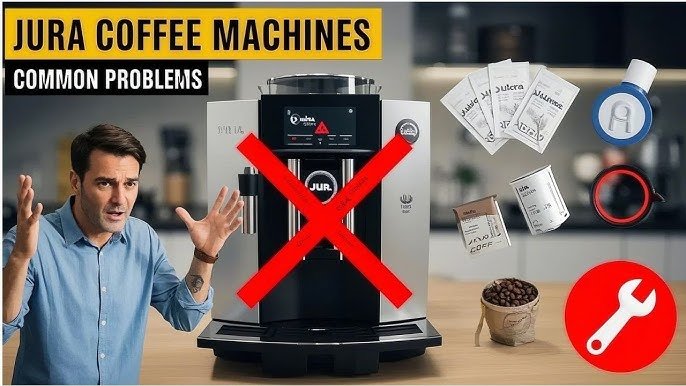
Is your espresso machine acting up just when you need that perfect cup? You’re not alone.
Many coffee lovers face common issues that turn their morning ritual into a frustrating experience. But don’t worry—most problems are easier to fix than you think. You’ll discover simple, effective ways to troubleshoot your espresso machine and get it back to brewing like new.
Keep reading, and soon you’ll enjoy smooth, rich espresso without the hassle.
Identifying Common Issues
Machine Won’t Turn On:Check if the machine is plugged in properly. Make sure the power outlet works. Press the power button firmly. Inspect the fuse or circuit breaker. Sometimes, a reset is needed.
No Water Flow:Ensure the water tank is full and seated well. Clean the water filter and lines. Check for blockages in the water path. Descale the machine regularly to prevent clogs.
Weak or Bitter Espresso:Use fresh coffee grounds and the right grind size. Tamp coffee evenly but not too hard. Adjust the brew time and water temperature. Clean the portafilter and group head often.
Leaking Water:Check all seals and gaskets for damage. Tighten any loose parts carefully. Clean the drip tray and overflow area. Avoid overfilling the water tank.
Strange Noises:Listen for grinding or hissing sounds. Clean the grinder and remove any stuck beans. Check the pump for air bubbles or damage. Descale to remove mineral build-up.
Steam Wand Not Working:Clear milk residue from the wand tip. Purge the wand before and after use. Check if the steam valve opens properly. Descale the steam system regularly to keep it clear.
Basic Maintenance Tips
Cleaning the group headkeeps your espresso fresh. Remove coffee grounds and oils after every use. Use a brush to scrub the group head gently. Regular cleaning stops clogs and bad taste.
Descaling the machineremoves mineral buildup. Use a descaling solution or vinegar. Run the solution through the machine, then flush with clean water. Do this every 1-3 months depending on water hardness.
Checking the water reservoiris important. Make sure it is full and clean. Replace the water often to avoid stale taste. Check for cracks or leaks that can cause problems.
Replacing filtershelps keep water clean and pure. Change filters every 2-3 months or as needed. This protects the machine and improves coffee flavor.
Fixes For Power Problems
Check the power outletfirst. Ensure it works by plugging in another device. The outlet might be faulty.
Look closely at the power cordfor cuts or damage. A broken cord can stop the machine from working. Replace it if needed.
Try resetting the espresso machine. Unplug it, wait a few minutes, then plug it back in. This can fix small errors inside the machine.
- Test the power outlet with another device
- Examine power cord for visible damage
- Unplug and wait before plugging back in
- Press the reset button if available
Resolving Water Flow Issues
Unclogging the group headhelps fix water flow in espresso machines. Use a brush to clean the group head. Remove coffee grounds and oils that block water paths. Run hot water through the group head to flush it out. This keeps water flowing freely and coffee tasting fresh.
Clearing blocked valvesimproves pressure and flow. Valves can get stuck with coffee residue or minerals. Soak them in vinegar or a cleaning solution to dissolve buildup. Rinse well before putting them back. This step ensures valves open and close properly.
Adjusting pump pressurecontrols water force through the machine. Low pressure causes weak coffee; too high makes bitter shots. Use a pressure gauge to check the pump. Turn the adjustment screw slowly to reach the right pressure, usually 9 bars. Proper pressure means better espresso extraction.
Improving Espresso Quality
Adjusting grind sizeaffects the taste and flow of espresso. A too coarse grindcauses weak, fast shots. A too fine grindmakes shots bitter and slow. Find a balance for smooth, rich espresso.
Tamping must be even and firm. Press with about 30 pounds of pressure. Uneven tamping causes water to flow unevenly. This leads to bad extractionand poor flavor.
| Water Temperature | Effect on Espresso |
|---|---|
| Below 190°F (88°C) | Under-extracted, sour taste |
| 190°F – 205°F (88°C – 96°C) | Balanced flavor and good extraction |
| Above 205°F (96°C) | Bitter, burnt taste |
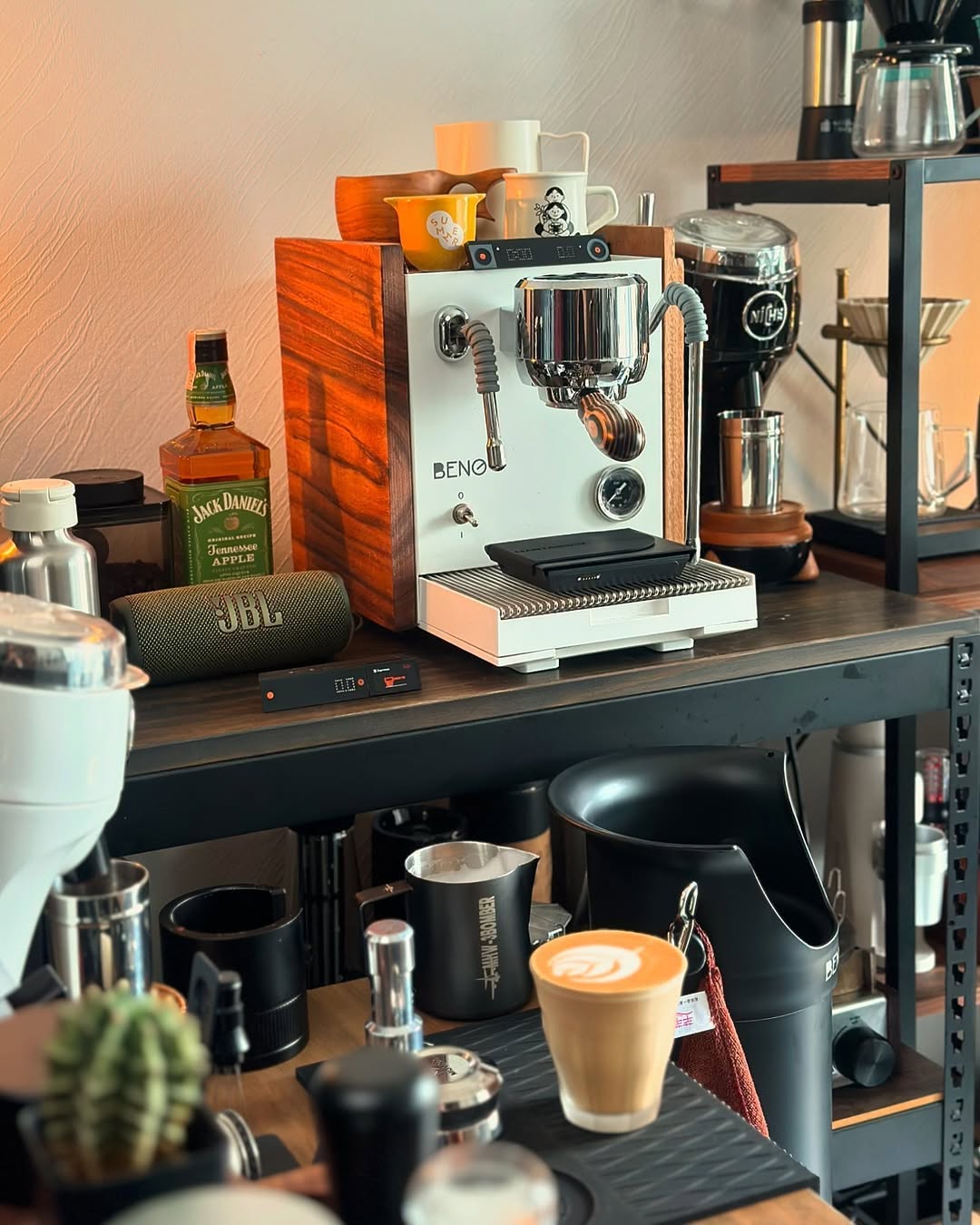
Credit: mantabrew.com
Stopping Leaks
Seals and gaskets keep water inside the machine. If these are worn out, leaks happen. Inspect them for cracks or damage. Replace any that look old or broken. This stops water from escaping. It also helps the machine work better.
Loose parts can also cause leaks. Check all screws and bolts. Tighten them with a screwdriver. Make sure they are snug but not too tight. This helps keep the machine together. It also prevents water from leaking out.
Some parts might be faulty. This can cause leaks and other issues. Look for any parts that seem broken. Replace them with new ones. Use parts made for your specific machine model. This ensures they fit well and work right.
Fixing Steam Wand Problems
Cleaning the steam nozzlekeeps the wand working well. Warm water helps remove milk residue. Use a small brush to clean inside the nozzle. Wipe the outside with a damp cloth. Regular cleaning stops blockages and keeps steam strong.
Unclogging the steam valvemay need a gentle push or twist. Use a pin or needle to clear small holes. Be careful not to break the valve parts. Open and close the valve a few times to free stuck parts. This lets steam flow freely again.
Adjusting pressure settingshelps fix weak steam. Check the machine’s manual for pressure details. Turn the pressure knob slowly to increase or decrease steam power. Test the steam wand after each change. Proper pressure gives better froth and quick steam.

Credit: www.youtube.com
When To Call A Professional
Persistent issues, strange noises, or leaks may need expert help. Complex problems can cause damage if ignored. Calling a professional ensures safe and proper repair of your espresso machine.
Complex Electrical Issues
Electricity can be dangerous. Complex electrical issues need expert handling. Sparks or burning smells are warning signs. Always ensure safety first. Professionals understand these systems best. They have the right tools and knowledge. Hiring them prevents bigger problems later. It ensures your safety too.
Major Mechanical Failures
Grinding noises or leaks often mean major mechanical failures. Machines may jam or stop working. Fixing these needs special skills. Experts can find problems quickly. They fix them without causing more damage. This saves time and money. Regular checks by professionals help too.
Regular Servicing Advice
Regular servicing keeps machines running well. It prevents future problems. Professionals clean and check every part. They replace worn out pieces. Regular servicing extends machine life. It ensures your coffee tastes great. Follow their advice for best results.

Credit: www.brewingwithdani.com
Frequently Asked Questions
Why Is My Espresso Machine Not Heating Properly?
Your machine may have a faulty thermostat or heating element. Check for power issues and clean the machine regularly to avoid buildup. If problems persist, contact a professional technician for repair or replacement parts.
How To Fix Weak Or Watery Espresso Shots?
Weak espresso often results from improper grind size or tamping pressure. Use a finer grind and apply firm, even pressure when tamping. Also, ensure your machine’s water temperature is between 90-96°C for optimal extraction.
What Causes Espresso Machine Leaks And How To Stop Them?
Leaks usually happen due to worn gaskets, loose fittings, or clogged group heads. Regularly inspect and replace damaged seals. Tighten connections and clean the machine thoroughly to prevent water from escaping during brewing.
How Do I Clean And Descale My Espresso Machine?
Use a descaling solution recommended by the manufacturer every 1-3 months. Clean removable parts with warm, soapy water and wipe down the machine exterior. Regular maintenance prevents mineral buildup and improves coffee taste and machine lifespan.
Conclusion
Troubleshooting your espresso machine can save time and money. Simple fixes often solve common problems fast. Keep your machine clean and check parts regularly. Small steps help your coffee taste better every day. Stay patient and try each tip carefully.
Enjoy fresh espresso without stress or hassle. Your machine will work well with a little care. Brewing good coffee is easier than you think.