
Do you ever wake up with a sore jaw or a headache and wonder why? You might be grinding your teeth without even realizing it.
Teeth grinding, also called bruxism, can happen while you sleep or even during the day. It can cause serious damage to your teeth and lead to discomfort if left unchecked. But how can you tell if you grind your teeth?
You’ll discover the clear signs to watch for and simple ways to protect your smile. Keep reading to find out if this hidden habit is affecting you—and what you can do about it.
Common Symptoms
Jaw pain and sorenessoften happen after sleeping. The muscles feel tight and tired. This can make it hard to open your mouth fully. Some people feel pain near their ears or temples. This discomfort is a sign of teeth grinding.
Tooth sensitivitymeans feeling pain when eating hot, cold, or sweet foods. Grinding wears down the protective layer of the tooth. This exposes the inner part, causing sharp pain. Sensitivity can come and go, but it may get worse over time.
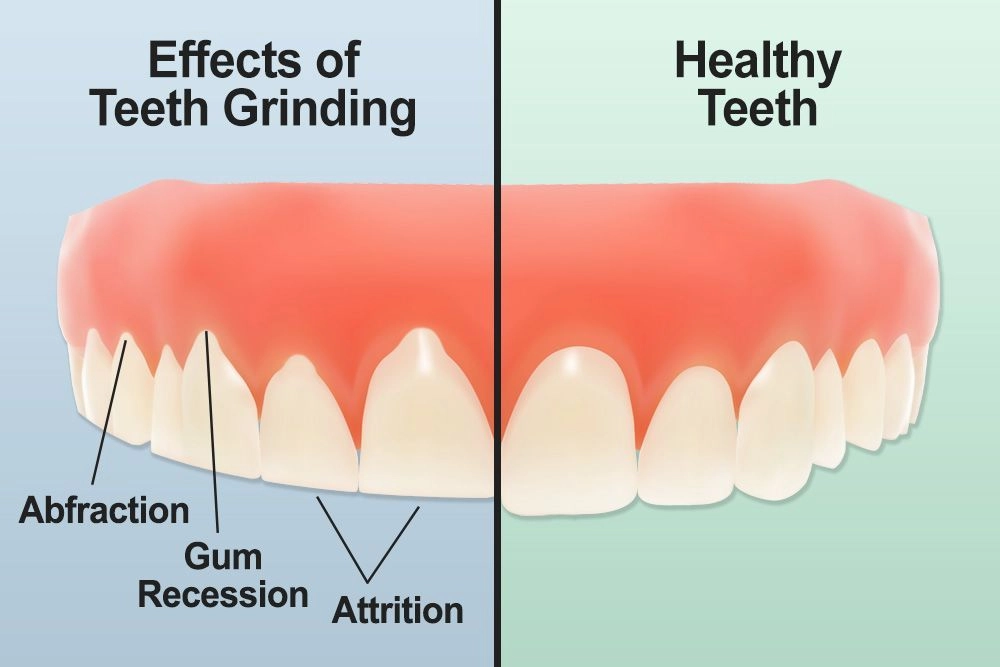
Worn tooth enamelshows as flat or chipped teeth. The enamel is the hard outer layer of teeth. Grinding can make teeth look shorter or uneven. Dentists can spot this damage during a checkup. Early damage can be fixed to avoid bigger problems.

Credit: jsdentallab.com
Signs During Sleep
Noisy grinding soundsduring sleep are a clear sign. The sound may be loud enough to wake others. It often happens without the person knowing.
Morning headachescan occur due to muscle strain from grinding. These headaches usually feel like a dull ache across the forehead or temples.
Feeling tired upon wakingmay happen even after a full night’s sleep. Grinding can disrupt sleep quality, leaving a person feeling unrested and sleepy.
Dental Indicators
Chipped or flattened teeth often show signs of teeth grinding. The constant pressure wears down the enamel. This makes the teeth look shorter or uneven. Cracks or chips can appear from the repeated force.
Tooth mobility means teeth feel loose or shift easily. Grinding puts extra stress on the gums and bones. This can lead to weakening of the tooth support. It may cause discomfort or sensitivity when biting.
Gum recession occurs when gums pull back from the teeth. This exposes more of the tooth root. Grinding can cause this by pressing the teeth hard. Receding gums can lead to increased tooth sensitivityand risk of decay.
Behavioral Clues
Stress and anxiety often cause teeth grinding. When people feel tense, their jaw muscles tighten. This can lead to habitual jaw clenching, especially during sleep or deep concentration.
Increased caffeine intakecan also make teeth grinding worse. Drinks like coffee and energy drinks may boost nervousness. This extra nervous energy can cause more jaw tensionand grinding.
- Stresstriggers muscle tightening.
- Jaw clenchinghappens without noticing.
- More caffeinecan increase grinding.
- Grinding often happens during sleep.
- Both stress and caffeine raise jaw muscle activity.
When To See A Dentist
A dentist uses special tools to check for signs of teeth grinding. They look for worn tooth surfaces and small chips. Sometimes, they ask about jaw pain or headaches. A dental exam can reveal damage caused by grinding.
Doctors may use a night guard to protect teeth during sleep. Other treatments include stress management and muscle relaxants. In some cases, physical therapy helps ease jaw tension. Each treatment aims to stop grinding and protect teeth.
- Use a mouthguard while sleeping
- Avoid chewing gum or hard foods
- Practice relaxation techniques before bed
- Keep regular dental check-ups

Credit: allwyndentaltx.com

Credit: www.burnestondental.com
Frequently Asked Questions
What Are Common Signs Of Teeth Grinding At Night?
Common signs include jaw pain, headaches, worn tooth enamel, and tooth sensitivity. You may also notice clicking sounds while sleeping. These symptoms often indicate nighttime teeth grinding, also known as bruxism.
How Can I Tell If I Grind Teeth Unconsciously?
Look for morning jaw soreness, damaged teeth, or flattened chewing surfaces. A dentist can diagnose bruxism through an oral exam and ask about your symptoms.
Can Stress Cause Teeth Grinding?
Yes, stress is a major factor in teeth grinding. It triggers muscle tension that leads to clenching and grinding during sleep or waking hours.
Is Teeth Grinding Harmful To Dental Health?
Frequent grinding can cause tooth fractures, enamel loss, and gum recession. It may also lead to jaw disorders if untreated.
Conclusion
Teeth grinding can cause pain and damage over time. Notice signs like jaw soreness, headaches, or worn teeth. Visit a dentist for a clear diagnosis and advice. Early action helps protect your teeth and improve comfort. Stay aware of your habits during the day and night.
Taking care of your teeth keeps your smile healthy and strong. Don’t ignore small signs—they often point to grinding problems. Simple steps now can prevent bigger issues later.