

You’ve probably heard about induction cooking and its efficiency, speed, and energy-saving benefits. But did you know that not all cookware is compatible with induction cooktops?
Imagine investing in new cookware only to find out it doesn’t work with your induction stove. Frustrating, right? Understanding how to identify induction-compatible cookware can save you time, money, and prevent kitchen headaches. In this guide, we’ll walk you through simple tips to ensure your pots and pans are ready for your induction cooktop.
Stick around to discover how you can make your cooking experience smoother and more enjoyable.
Induction Cooking Basics
Induction cooking uses magnetic fields to heat pots and pans. The stove stays cool. Only the cookware gets hot. It’s fast and safe. To work on an induction stove, cookware must be induction compatible. This means it needs a magnetic base. Check your pots with a magnet. If it sticks, it’s good for induction. Some cookware has symbols on the bottom. Look for a coil symbol. This shows it’s induction ready. Stainless steel and cast iron work well. Copper and aluminum need special bases. Always read the labels when buying new pots. This ensures they will work on your stove.
Identifying Induction-compatible Cookware
Induction cookware needs a magnetic base. Most are made of cast iron or stainless steel. Pots and pans with aluminum or copper bases won’t work. These materials need an added layer for induction.
This test is easy. Grab a fridge magnet. Stick it to the pot’s bottom. Does it stick? If yes, it’s induction-ready. If it falls off, it’s not. This test is quick and simple.
Look for a coil symbol or the word induction on the cookware. This symbol means it’s designed for induction. Not all cookware has this mark. Double-check to be sure.
Common Induction-compatible Materials
Stainless steel is often used in induction cookware. It looks shiny and is rust-resistant. Some types of stainless steel work better than others. Look for a magnet-friendly base. This helps the pan heat up. Not all stainless steel is the same. Test it with a magnet. If it sticks, it is good for induction.
Cast iron is heavy and tough. It heats evenly. It works well with induction cookers. The iron in the pan connects with the cooktop. It stays hot for a long time. Cast iron pans need care. They can rust if not dried well. Keep them clean for best use.
Carbon steel is like cast iron. It is strong and durable. It is lighter than cast iron. This makes it easier to handle. It heats quickly and evenly. Carbon steel is good for induction cooking. Like cast iron, it needs drying to avoid rust. Always check with a magnet first.

Credit: www.youtube.com
Non-compatible Cookware Types
Aluminum is light and heats quickly. But it doesn’t work on induction. Induction cooktops need a magnetic field. Aluminum can’t create this field. So, it doesn’t get hot.
Copper is shiny and looks nice. But it is not good for induction. Copper lacks the magnetic properties. It cannot create the required magnetic field. This makes it non-compatible.
Glass cookware is pretty and often clear. Glass has no magnetic properties. Without these, induction cooktops can’t heat it. So, it’s not suitable for induction use.
Considerations For Purchase
Thick cookware is important for induction cooking. It stays strong under high heat. Thin pans might bend or warp. Check the thickness before buying. Good cookware lasts longer and cooks better. It saves money in the long run.
A flat bottomis crucial. Induction cooktops need contact. A flat surface provides even heat. No wobbling means no spills. Ensure the cookware bottom is smooth and level. This helps in cooking evenly.
Many brands offer induction-ready cookware. Popular choices include T-fal, Cuisinart, and All-Clad. These brands are trusted for quality. They offer durable products. Read reviews before buying. Choose a brand that fits your needs.
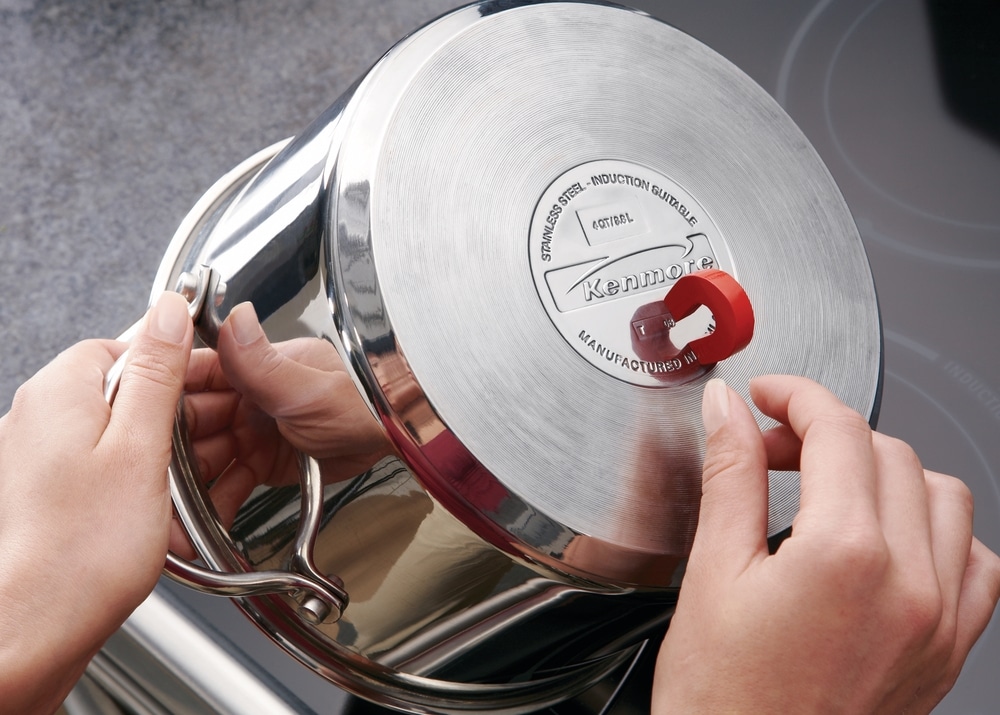
Credit: www.frigidaire.ca
Maintaining Induction Cookware
Identifying induction-compatible cookware is simple. Look for a coil symbol or check the bottom with a magnet. If it sticks, your cookware will work with induction stoves. Proper compatibility ensures efficient cooking and heating.
Proper Cleaning
Clean induction cookware after each use. Use a soft sponge and mild soap. Avoid harsh scrubs to prevent scratches. Dry the cookware well before storing. Water can cause spots and stains.
Storage Tips
Store cookware in a dry place. Stack gently to avoid damage. Use pan protectors between stacked items. This helps prevent scratches and dents. Hang pans if possible. It saves space and avoids clutter.
Avoiding Damage
Never use metal utensils. They can scratch surfaces. Use wooden or silicone tools instead. Avoid high heat; it can warp pans. Check cookware regularly for signs of wear. Replace damaged items promptly.
Troubleshooting Compatibility Issues
Check for a flat bottom and a magnetic surface to ensure cookware suits induction. A magnet sticks? It’s compatible. Look for the induction symbol too.
Cookware Doesn’t Heat
Make sure the cookware is flat and smooth on the bottom. Induction cooktops need this surface to work. Check for a magnet that sticks to the base. If it doesn’t, the cookware may not be induction-friendly.
Intermittent Heating
Sometimes the cookware heats, sometimes it doesn’t. This can happen if the pot or pan is too small. The size should match the induction zone. Also, check if the cookware is centered on the burner.
Noise During Cooking
Some noise is normal. But loud noise is not. This can mean the layers in the cookware are vibrating. Try using cookware with a thicker base. This might reduce the noise.
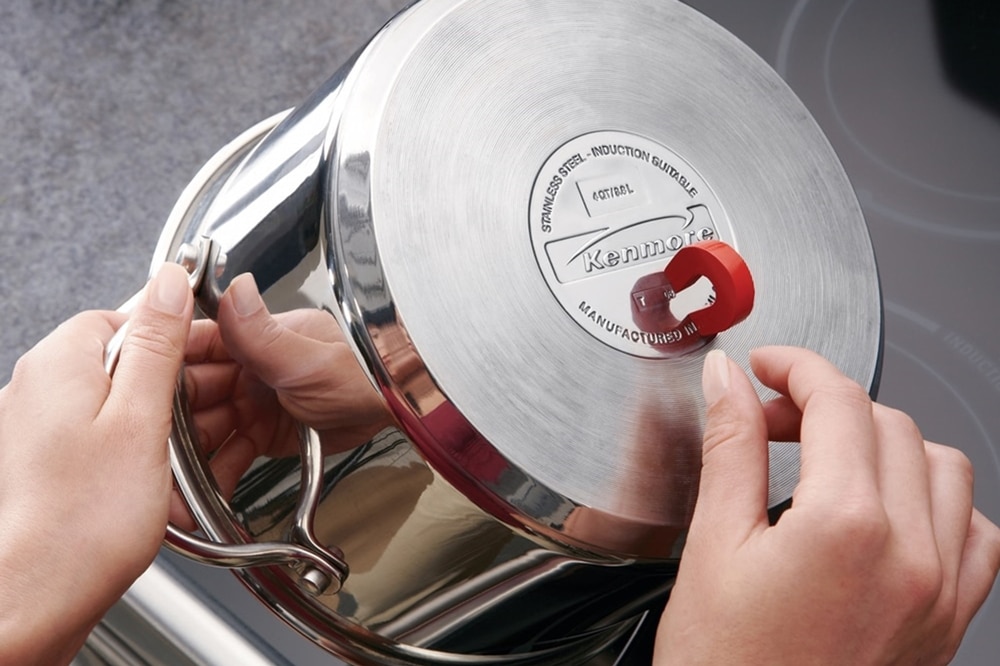
Credit: www.frigidairearabia.com
Frequently Asked Questions
How Do I Know If My Pans Are Induction Compatible?
Check the bottom of your pan for a coil symbol or “induction” label. Use a magnet: it sticks to induction-compatible pans.
What Cookware Cannot Be Used On Induction?
Non-magnetic cookware like aluminum, copper, and glass cannot be used on induction cooktops. Induction requires magnetic properties to generate heat. Ensure your cookware is labeled “induction compatible” or has a magnetic base to work efficiently on induction stoves.
What Is The Symbol For Induction Ready Cookware?
The induction-ready cookware symbol usually features a coil or zigzag lines. This indicates compatibility with induction cooktops. Always check the product label for this symbol to ensure it works with your induction stove. Induction cookware often includes materials like cast iron or magnetic stainless steel.
How Do I Know If My Stove Is Induction Or Ceramic?
Check if your stove heats only when a pan is placed. Induction stoves do this. Ceramic stoves have smooth glass tops and use radiant heat.
Conclusion
Identifying induction-friendly cookware is simple. Check the bottom for a magnetic surface. Use a magnet to test it. If it sticks, it’s compatible. Look for the induction symbol on the base. This ensures compatibility. Stainless steel and cast iron usually work well.
Avoid aluminum unless it has a magnetic base. Shopping for new cookware? Read the label carefully. Induction stoves are energy-efficient and fast. Using the right cookware enhances their benefits. Ensure your kitchen is ready. Enjoy efficient cooking with the right tools.
Happy cooking!