

Are you tired of wasting money on wood pellets that lose their quality too soon? If you’ve ever been frustrated by damp pellets or poor heating performance, you’re not alone.
Proper storage of wood pellets is crucial to maintaining their efficiency and your peace of mind. You might be wondering if there’s a simple way to keep them in tip-top shape. The good news is, there is! We’ll reveal the secrets to storing wood pellets effectively, ensuring they stay dry, burn efficiently, and save you money in the long run.
Stick around to discover practical tips and tricks that will transform how you store your pellets, making your heating experience smoother and more cost-effective.
Choosing The Right Storage Location
Indoor storageprotects wood pellets from rain and snow. It keeps pellets dry and safe. A cool, dry place inside is best. Avoid places with high heat or direct sunlight. Outdoor storageis possible but needs extra care. Use sealed containers or tarps to keep moisture out. Make sure the cover is tight and does not touch the pellets.
Ideal temperature for storing pellets is between 50°F and 70°F. Humidity should stay below 60%. High humidity makes pellets absorb water and swell. Low humidity keeps them dry and easy to burn.
- Store pellets off the ground to avoid moisture from floor.
- Use pallets or shelves to keep pellets dry.
- Check storage area regularly for leaks or water.
- Keep pellets away from open water or damp walls.
- Seal bags well after use to stop moisture entry.
Proper Storage Containers
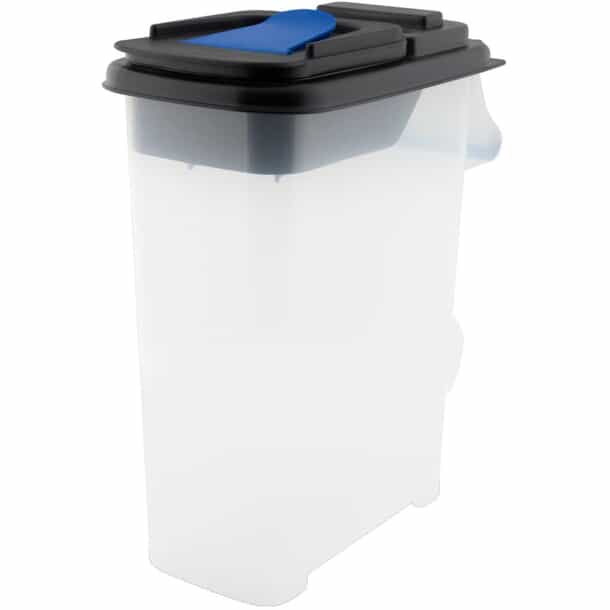
Sealed bins and bagskeep wood pellets dry and fresh. They stop air and moisture from getting inside. Use airtight containers or heavy-duty plastic bags. These prevent pellets from crumbling or spoiling.
| Container Type | Benefits | Drawbacks |
|---|---|---|
| Plastic Containers | Lightweight, easy to move, airtight | Can crack in cold weather, less durable |
| Metal Containers | Very durable, protects from pests | Heavier, can rust if not coated |
Using pallets keeps containers off the ground. This allows air circulationbelow. It helps prevent moisture buildup. Pallets also protect pellets from water damage.
Stacking And Organizing Pellets
Stack wood pelletson a flat, dry surface. Keep stacks stable and evento avoid falling. Avoid stacking pellets directly on the ground to stop moisture damage. Use pallets or a raised platform for this.
- Leave spacebetween stacks to let air flow.
- Good air circulation prevents moistureand keeps pellets dry.
- Keep stacks away from walls for better airflow.
Use the First In, First Out (FIFO) methodto organize pellets. Always use the oldest pellets first. This helps avoid storage for too long and keeps pellets fresh. Label bags with dates to track storage time easily.

Credit: www.walmart.com
Protecting Pellets From Moisture
Wood pellets must stay dry to burn well. Waterproof coversand tarps stop rain and snow from soaking pellets. Make sure covers fit tightly to block moisture.
Keep pellets off the ground using pallets or racks. This prevents waterfrom soaking up from soil or concrete. Elevation helps air flow, keeping pellets dry.
Condensation can form inside storage. Use containers with good air flow or vents. Check pellets often for damp spots. Dry pellets burn better and last longer.
Regular Inspection And Maintenance
Check wood pellets regularlyfor any signs of mold or damage. Mold appears as white or green spots. Damaged pellets may crumble or look dusty. Remove any affected pellets to keep the rest safe.
Monitor pellet qualityby noticing changes in smell or texture. Good pellets smell like fresh wood. If they smell musty or damp, they may have absorbed moisture. Keep pellets dry to maintain quality.
Clean storage areasoften to avoid dirt and moisture buildup. Sweep floors and wipe walls to remove dust. Dry and clean storage spaces help prevent mold and damage. Use covers or containers to protect pellets from pests and water.

Credit: www.amazon.com
Transporting And Handling Pellets
Wood pellets are fragile and can break easily during transport. To minimize pellet breakage, handle bags or bulk containers gently. Avoid dropping or shaking them roughly. Use smooth surfaces for moving pellets to reduce damage.
Safe loading and unloading prevent accidents and pellet loss. Always use proper tools like forklifts or pallet jacks carefully. Stack bags evenly to avoid toppling. Keep the area clean to stop slips or falls.
Dust from pellets can cause breathing problems. Reduce dust exposure by wearing masks and using dust collection systems. Open bags slowly and avoid shaking them. Work in well-ventilated spaces for fresh air flow.
Credit: www.homehardware.ca
Frequently Asked Questions
How Should Wood Pellets Be Stored Indoors?
Store wood pellets in a dry, cool place indoors. Use airtight containers or heavy-duty bags to prevent moisture exposure. Keep them off the ground and away from walls to allow air circulation and avoid dampness.
Can Wood Pellets Absorb Moisture And Spoil?
Yes, wood pellets absorb moisture easily. Moisture causes pellets to swell, break apart, and lose burning efficiency. Proper storage in dry conditions prevents spoilage and maintains pellet quality.
What Is The Ideal Temperature For Storing Wood Pellets?
The ideal storage temperature for wood pellets is between 40°F and 80°F (4°C to 27°C). Avoid extreme heat or cold to maintain pellet integrity and prevent moisture condensation.
Is It Safe To Store Wood Pellets Outside?
Storing wood pellets outside is possible if fully protected from rain and humidity. Use waterproof covers and elevated pallets. However, indoor storage is preferable to ensure dryness and longer pellet life.
Conclusion
Storing wood pellets correctly keeps them dry and ready to use. Choose a cool, dry place away from moisture. Use sealed containers or bags to protect pellets from air. Check pellets often to avoid mold or crumbling. Proper storage helps your pellets burn efficiently and last longer.
Good care saves money and time. Keep these tips in mind for safe and effective pellet storage. Your heating system will work better with well-stored pellets. Simple steps make a big difference.