

Are you struggling to find space for all your dry goods in a small kitchen or pantry? You’re not alone.
Many people face the challenge of organizing essentials like pasta, rice, and flour without feeling overwhelmed by clutter. Imagine opening your cupboard and finding everything neatly arranged, easy to access, and aesthetically pleasing. It’s possible! With a few clever strategies, you can turn your limited space into a well-organized haven for your dry goods.
You’ll discover practical tips and tricks to maximize your storage and keep your kitchen running smoothly. Say goodbye to chaos and hello to a streamlined and efficient space. Dive in to learn how you can transform your storage woes into a simple, stress-free solution.
Maximizing Vertical Space
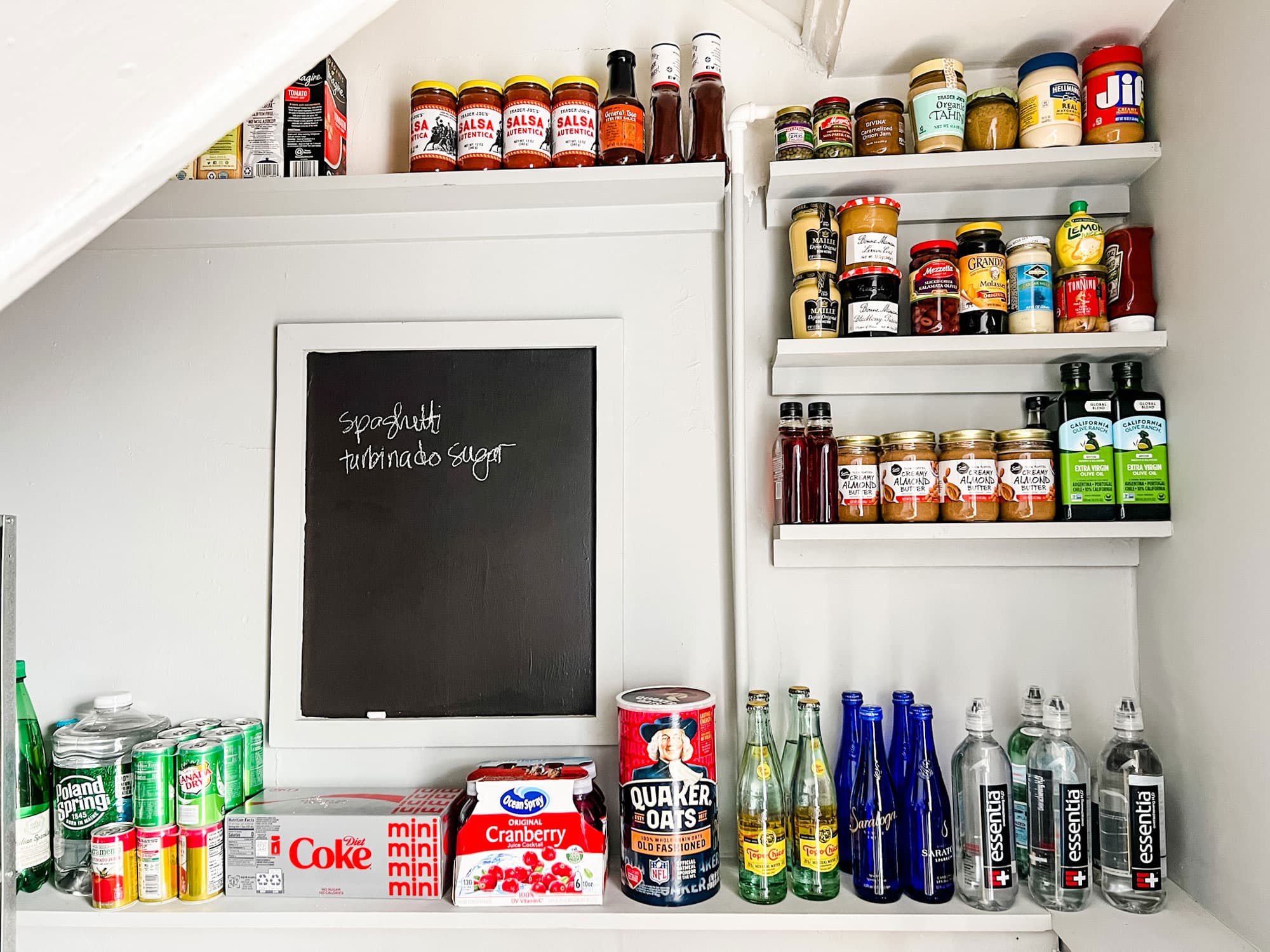
Shelving units are perfect for small spaces. They use the area above your head. Try to choose sturdy shelves. They hold more weight. Stack your dry goods neatly. Use clear containers to see items quickly. Label each container for easy finding. Adjust the shelves if possible. This helps fit different-sized items. Place heavier items on the bottom shelf. Lighter items go on top. This keeps the unit stable.
Use hooks or racks to hang items. They save floor space. Hang baskets or bags for storing smaller items. A pegboard can hold various things. Attach it to a wall. Use S-hooks for hanging light items. They are easy to adjust. Keep the space organized by grouping similar items. This makes finding things easier. Hanging storage makes use of every inch. It is a smart way to store dry goods.
Credit: www.bakersplus.com
Utilizing Under-utilized Areas
Dry goods can fit above cabinets. Use clear containers. This keeps things visible. Label each container. Labels help find stuff fast. Use baskets for big items. Baskets keep things neat. Stack jars for more space. Stacking saves room. Use every inch. Space is precious.
Check space under furniture. Store cans or bags there. Use boxes to organize. Boxes keep items together. Slide boxes easily. Use small bins for snacks. Bins fit under tables. Keep goods fresh and safe. Fresh goods taste better. Use bins with lids. Lids protect from dust.
Choosing The Right Containers
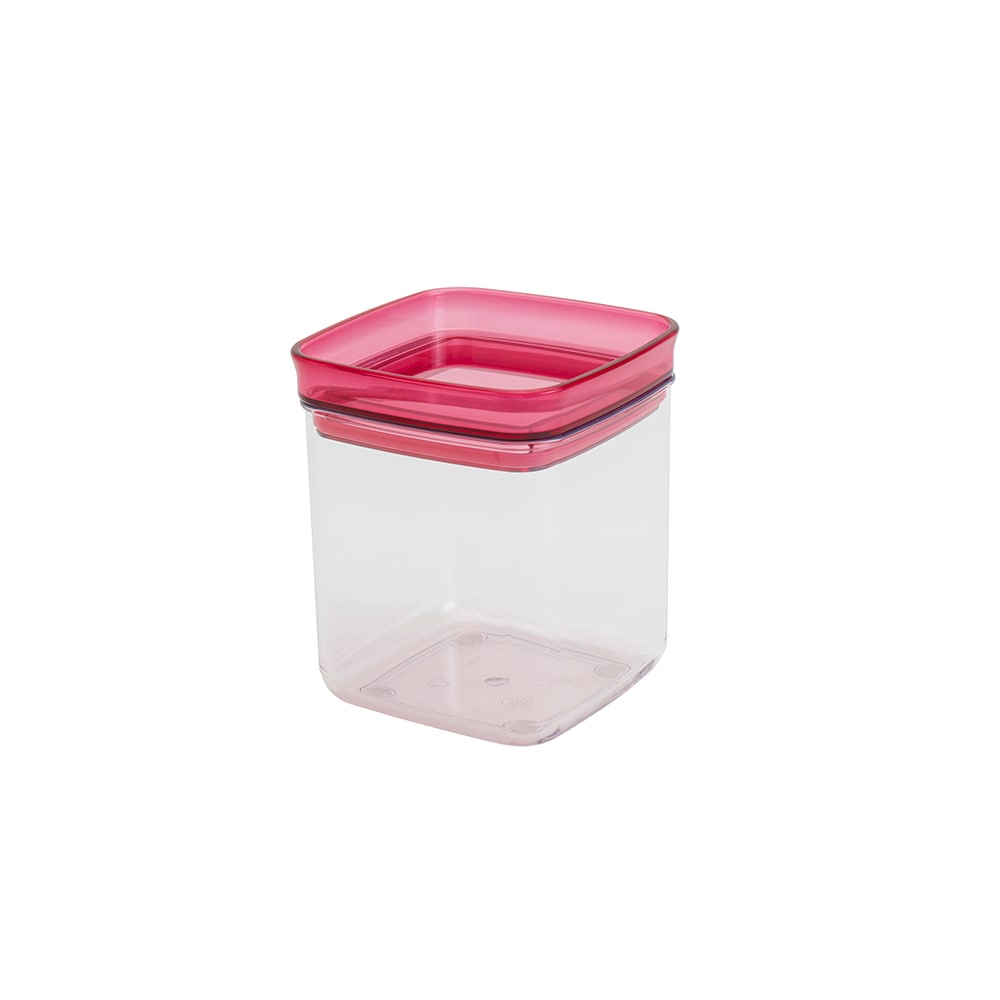
Stackable jarsand bins make storing easy. They save space. You can place them on top of each other. This way, shelves are less crowded. See-through jars help you find things fast. They add style to the kitchen too. Different sizes fit different needs. Use big jars for flour. Use small jars for spices. Check the lids. They should seal tight. This keeps food fresh.
Airtight containerskeep goods fresh for longer. They stop air from getting in. This helps food last. Choose containers with good seals. Rubber seals work well. No air means no bugs. No moisture either. Different shapes fit well in small spaces. Square containers use less room. Check containers for cracks. Replace them if needed. This keeps food safe.
Organizing By Frequency Of Use
Keep daily essentials within arm’s reach. These items should be in the front. Use clear containers to see what’s inside. This helps in quick access. Label each container for easy identification. Arrange them by size or shape. It looks neat and tidy.
Store occasional use items higher up. These are not needed often. Use sturdy shelves or cabinets for safety. Keep heavier items on lower shelves. Lighter items can go higher. Stack them securely to avoid falls. This maximizes space and reduces clutter.
Labeling And Inventory
Labels help find things fast. Use clear labels on jars and boxes. Big letters work best. Color-coded labels add extra help. Red for rice. Blue for beans. Kids can help too. Make it a fun game.
An inventory list keeps track of what you have. Write it on paper or use a phone app. Update it often. After shopping or cooking, check the list. Helps avoid buying too much. Saves space and money. Smart planning.
Credit: mostlovelythings.com
Innovative Storage Hacks
Magnetic spice racks are great for small spaces. They stick to metal surfaces. Use them on a fridge or a metal board. They keep spices organized and easy to find. No need for a large spice cabinet. You can see all your spices at once. This saves time while cooking. Plus, they look cool and fun.
Over-the-door organizers use the back of doors. They hold many items like snacks and pasta. These organizers make storage simple and convenient. Just hang them over any door. They save space in your pantry or kitchen. Easy to install and affordable. Great for small apartments or kitchens.
Minimizing Waste And Clutter
Store dry goods efficiently by using airtight containers and stackable bins. Label everything clearly to find items quickly. Keep shelves tidy and use vertical space wisely to maximize storage in small areas.
Regular Decluttering Routine
Keep your space tidy with a regular declutter routine. Go through your dry goods often. Check dates on packages. Remove expired items. It’s a simple way to avoid waste. Also, keep only what you need. This helps free up space.
Donating Unused Goods
Some items sit unused for months. These can be donated. Find a local charity or food bank. Donate items you won’t use. It helps others and clears space. Plus, it feels good to help. This reduces clutter and aids your community.

Credit: www.amazon.com
Frequently Asked Questions
What Is The Best Way To Store Dry Goods?
Store dry goods in airtight containers to prevent moisture and pests. Keep them in a cool, dark place. Label containers with expiration dates for easy tracking. Use glass or plastic containers for better preservation. Regularly check for spoilage to ensure freshness.
Organize items for easy access and efficient use.
What Are The Two Rules Of Dry Food Storage?
Dry food storage requires keeping items in a cool, dry place. Always use airtight containers to prevent contamination.
How To Store Food When There Is No Pantry?
Utilize kitchen cabinets or shelves for storing food. Use stackable containers to maximize space. Store items in baskets or bins. Organize by category for easy access. Place frequently used items within reach, and store less-used items higher up. Keep food away from heat sources to maintain freshness.
Where Should I Avoid Storing Dry Food Products?
Avoid storing dry food products in damp, humid, or warm places. Keep them away from direct sunlight, near stoves, or above microwaves. Moisture and heat can spoil dry goods quickly. Store them in cool, dry, and airtight containers for freshness.
Avoid garage and basement storage due to temperature fluctuations.
Conclusion
Organizing dry goods in small spaces is simple with smart planning. Use clear containers to see contents easily. Stackable bins save valuable space. Label everything for quick access. Think vertically; use shelves and hooks. Keep similar items together for easy finding.
Regularly check and rotate stock to reduce waste. A tidy space makes cooking enjoyable. With these tips, anyone can create a functional pantry. You don’t need a large kitchen to be organized. A little creativity goes a long way. Enjoy your neat and efficient storage!