
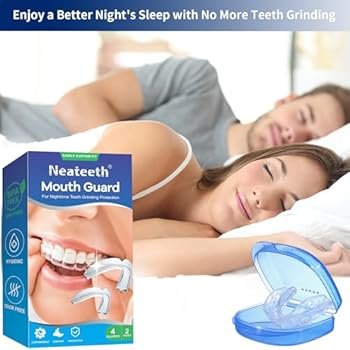
Are you waking up with a sore jaw or headaches that just won’t go away? You might be grinding your teeth in your sleep, and it’s more common than you think.
Teeth grinding can silently damage your teeth and disrupt your sleep, leaving you tired and stressed. But what if you could stop this harmful habit tonight? You’ll discover simple, effective ways to protect your smile and get the restful sleep you deserve.
Keep reading to find out how to take control and finally end teeth grinding for good.
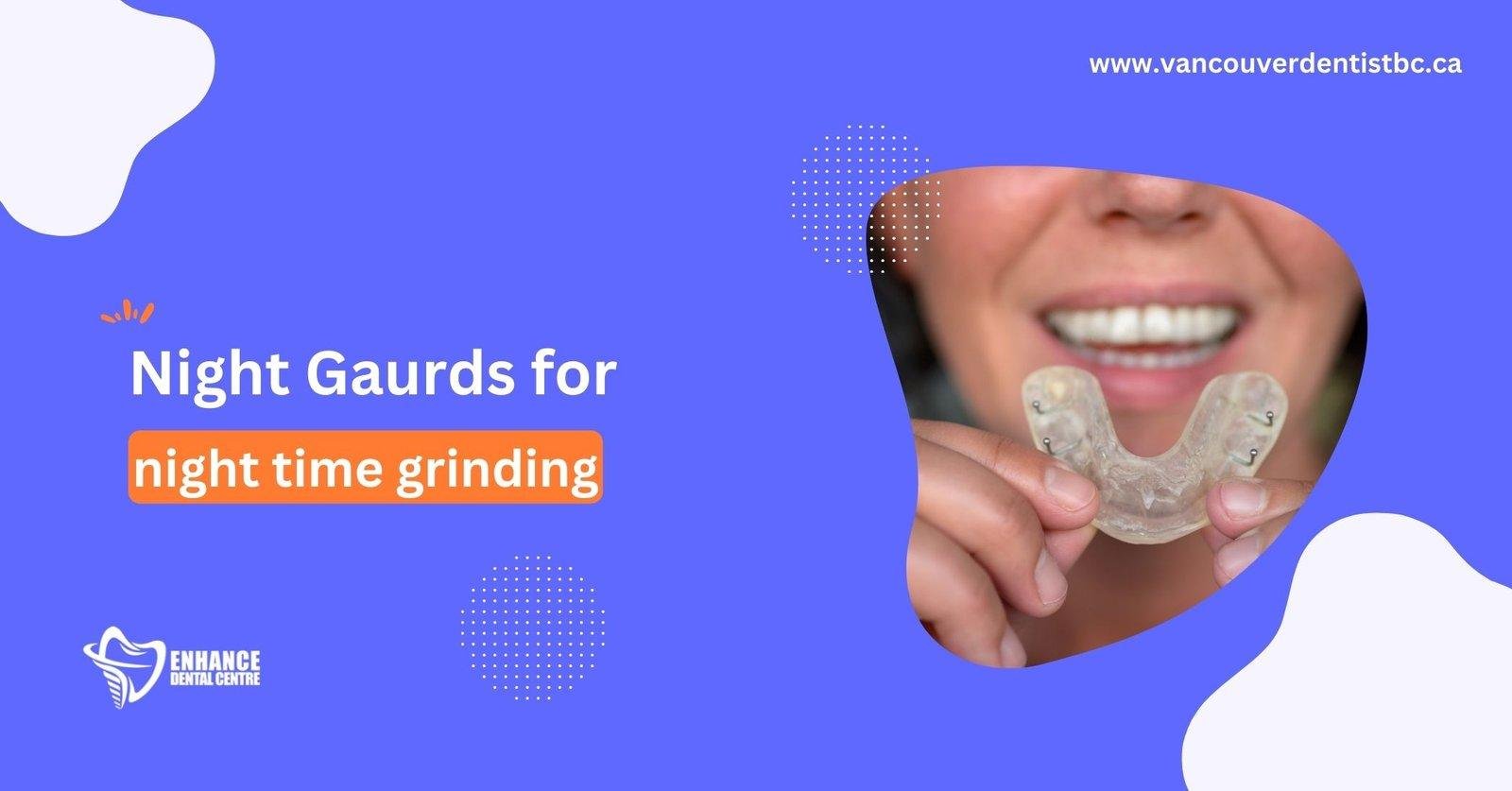
Credit: vancouverdentistbc.ca
Causes Of Teeth Grinding
Stress and anxietyare common causes of teeth grinding. They make your jaw tense, especially at night. When the mind is worried, the body reacts by clenching teeth.
Sleep disorderssuch as sleep apnea and snoring also lead to grinding. These issues disturb sleep cycles and cause muscle tension in the jaw.
Misaligned teethcan cause uneven pressure when you bite. This misfit often triggers grinding as the mouth tries to adjust.
Lifestyle factorslike drinking caffeine, smoking, and alcohol use increase the risk. These habits can make the jaw muscles more active during sleep.

Credit: kigodental.com
Symptoms To Watch For
Jaw pain and sorenessoften show up after nights of grinding. The muscles feel tight and may hurt when opening the mouth. This pain can last for hours or days.
Headachesare common, especially in the morning. The pressure from grinding affects the temples and forehead. These headaches can be dull or sharp.
Tooth damageincludes worn enamel, chips, or cracks. Teeth may become more sensitive to hot and cold. This damage can lead to more dental problems over time.
Sleep disturbanceshappen because grinding causes brief awakenings. This breaks the sleep cycle and can lead to tiredness during the day. Partners might notice the sound of grinding at night.
Home Remedies To Reduce Grinding
Relaxing the mind helps reduce teeth grindingduring sleep. Deep breathing or meditation calms the body. Try to take slow, deep breaths before bed. A calm mind can lower stress levels and prevent grinding.
Avoiding stimulantslike caffeine and nicotine in the evening is important. These can make you more alert and increase grinding. Choose herbal tea or warm milk instead. This can help your body relax and prepare for sleep.
Simple jaw exercisescan ease muscle tension. Gently open and close your mouth several times. Massage your jaw muscles with your fingers. This reduces tightness and lowers the chance of grinding.
Good sleep hygienesupports restful sleep. Keep a regular bedtime and wake-up time. Make your bedroom dark, quiet, and cool. Avoid screens at least one hour before bed. A healthy sleep routine can reduce teeth grinding.
Professional Treatments
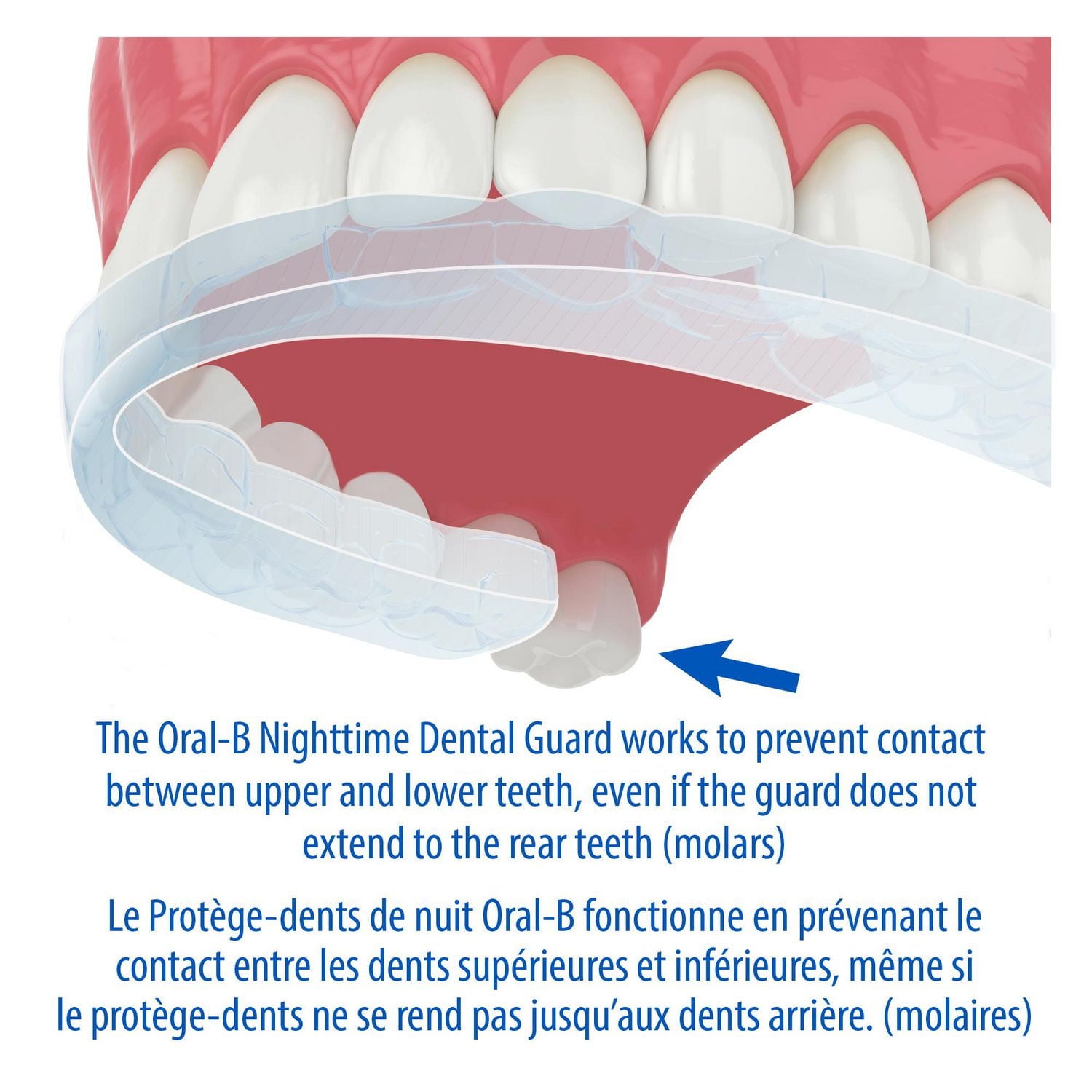
Mouthguardsand splints help protect teeth from grinding damage. They fit over teeth and create a barrier, reducing wear. A dentist can custom-make these for comfort and effectiveness.
Dental correctionsfix misaligned teeth that may cause grinding. Straightening teeth or adjusting bites can ease jaw strain and lower grinding frequency.
Therapy for stresstargets the root cause of many teeth grinders. Talking to a counselor or practicing relaxation techniques may lessen grinding by reducing anxiety.
Medicationssometimes help relax muscles or improve sleep quality. A doctor may prescribe muscle relaxants or anti-anxiety drugs to support treatment.
Lifestyle Changes For Prevention
Stresscan cause teeth grinding during sleep. Try simple ways to relax like deep breathing or meditation. These help calm your mind before bed.
Good sleep qualityreduces grinding. Keep a regular bedtime and avoid screens one hour before sleeping. A calm room helps, too.
Avoid alcohol and caffeinein the evening. These drinks can make your jaw tense and lead to grinding at night.
See a dentist regularly. They can spot early signs of grinding and suggest treatments. This helps keep your teeth healthy and safe.
When To See A Doctor
Persistent teeth grinding can cause serious problems. When symptoms do not improve, a doctor should be consulted. Constant jaw pain, headaches, or earaches may signal a bigger issue.
Severe tooth damage is a clear sign for medical help. Cracked, loose, or worn teeth need professional care. Untreated damage can lead to infections and tooth loss.
Sleep apnea can be linked to teeth grinding. Loud snoring, gasping for air, or pauses in breathing during sleep are warning signs. A doctor can check for sleep apnea and offer treatment options.
Credit: www.walmart.ca
Frequently Asked Questions
What Causes Teeth Grinding During Sleep?
Teeth grinding during sleep, or sleep bruxism, is caused by stress, anxiety, sleep disorders, or misaligned teeth. It can also be linked to lifestyle factors like caffeine and alcohol intake. Identifying the cause helps in choosing the right treatment or preventive measures.
How Can I Stop Teeth Grinding Naturally?
To stop teeth grinding naturally, manage stress through relaxation techniques like meditation or yoga. Avoid caffeine and alcohol before bedtime. Maintain a consistent sleep schedule and practice good sleep hygiene. These steps can reduce grinding and improve overall sleep quality.
Are Mouthguards Effective For Sleep Teeth Grinding?
Yes, mouthguards are effective in preventing teeth damage caused by grinding. They act as a barrier between upper and lower teeth. Custom-fitted mouthguards offer the best protection and comfort. Consult a dentist to get the right fit and type for your needs.
When Should I See A Dentist For Teeth Grinding?
See a dentist if you experience jaw pain, tooth sensitivity, or damaged teeth from grinding. Early consultation prevents severe dental issues. A dentist can recommend treatments like mouthguards or therapy. Prompt action improves sleep quality and oral health.
Conclusion
Stopping teeth grinding during sleep takes small, steady steps. Try relaxation and good sleep habits first. Using a mouth guard can protect your teeth. Avoid caffeine and stress before bedtime. Talk to a dentist if grinding stays strong. Protect your smile and get better rest.
Sleep peacefully without worry. Your teeth will thank you. Keep trying and stay patient. Relief is possible.