
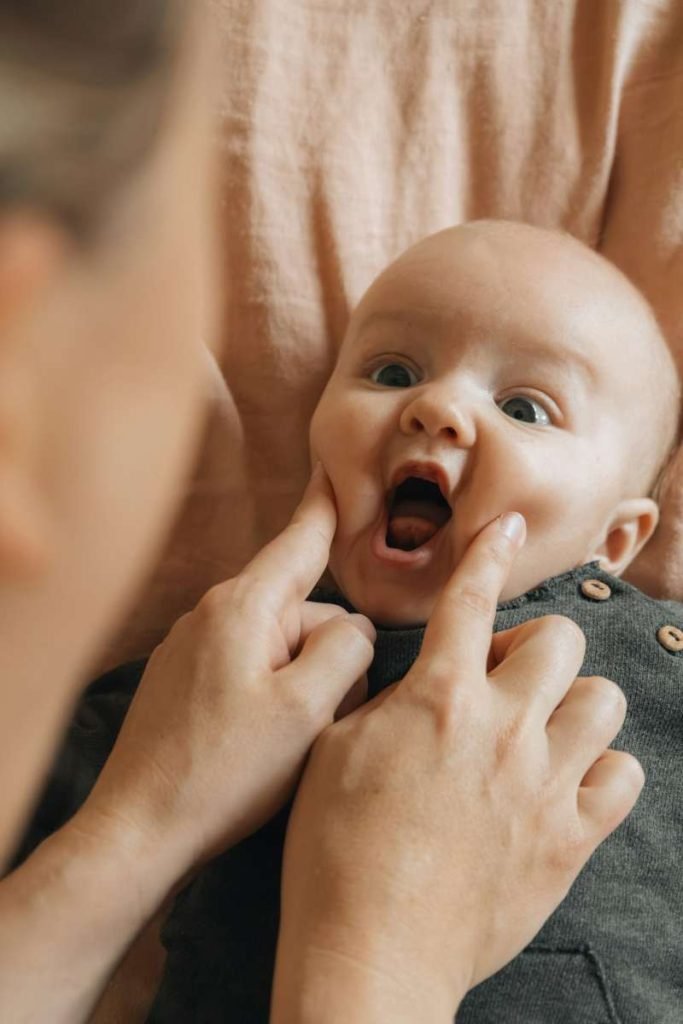
Is your baby grinding his teeth, and you’re not sure what to do? It’s natural to feel concerned when you hear that clicking or clenching sound.
Teeth grinding, or bruxism, can be unsettling for both you and your little one. But don’t worry—there are simple steps you can take right now to help stop this habit and keep your baby comfortable. Keep reading, because understanding why your baby grinds his teeth and how to address it can make a big difference for your family’s peace of mind.
Causes Of Baby Teeth Grinding
Baby teeth grinding, also called bruxism, can happen for many reasons.
Normal developmental behavioris one cause. Babies explore their mouth muscles. Grinding can be a way to learn how to use their teeth.
Teething discomfortmakes babies grind their teeth. Sore gums cause them to bite and rub their teeth together.
Stress and anxietymay lead to grinding. Changes like a new sibling or loud noises can upset babies.
Misaligned teethcan cause grinding too. When teeth don’t fit well, babies may grind to try to feel comfortable.

Credit: lemaclinic.com
Signs To Watch For
Noisy grinding soundsduring sleep are a clear sign to watch for. These sounds may be soft or loud but are often repetitive. They can disturb the baby’s sleep and sometimes the parents’ rest too.
Irritability or sleep disruptionsoften follow teeth grinding. Babies might wake up crying or seem restless. They may be fussy during the day because of poor sleep quality.
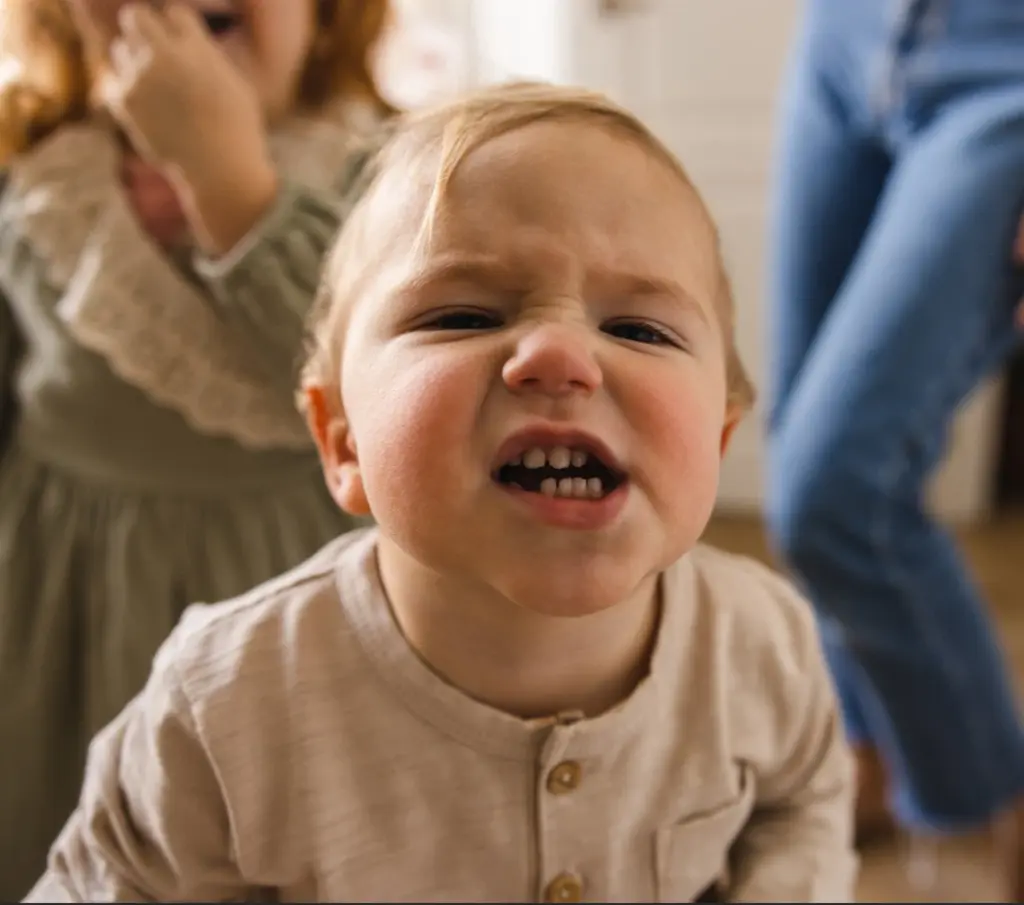
Worn teeth or jaw paincan also indicate grinding. Look closely at the baby’s teeth for flat edges or chips. Jaw soreness might make the baby touch the face or cry when chewing.
Home Remedies To Reduce Grinding
Creating a calming bedtime routinehelps your baby relax before sleep. This can include a warm bath, soft music, and gentle rocking. A peaceful atmosphere reduces stress that may cause teeth grinding.
Teething toys offer a safe way for babies to soothe their gums. Choose soft, chewable toys designed for infants. These toys can ease discomfort and distract from grinding.
Gentle massage and jaw exercisesmay relieve tension. Use clean fingers to softly massage your baby’s cheeks and jaw. Simple movements can relax muscles and reduce grinding.
Credit: lemaclinic.com
When To Consult A Pediatrician
Persistent or severe teeth grindingmight harm your baby’s teeth or jaw. Watch for signs like sore gums or trouble sleeping. If grinding lasts for weeks, it’s time to get help.
Associated health concernsinclude ear pain, headaches, or jaw clicking. These could mean your baby needs a check-up. Sometimes, stress or teething causes grinding, but other times it signals bigger problems.
| Possible Dental Interventions | Description |
|---|---|
| Night Guards | Soft guards protect teeth from damage during sleep. |
| Dental Correction | Fixing bite problems to reduce grinding. |
| Behavioral Advice | Guidance on habits to lower stress and grinding. |
Preventive Measures For Healthy Teeth
Regular dental visits help catch teeth grinding early. Dentists check your baby’s teeth and jaw. They give advice to keep teeth healthy. These visits build a good habit for your child.
Stress can cause babies to grind their teeth. Keep your baby calm with gentle play and quiet time. Soft music or rocking can help relax them. A calm baby is less likely to grind teeth.
- Give your baby foods rich in calcium and vitamins.
- Limit sugary snacks that can harm teeth.
- Clean your baby’s teeth and gums daily.
- Use a soft toothbrush or a wet cloth for cleaning.

Credit: www.robelledental.com.au
Frequently Asked Questions
Why Does My Baby Grind His Teeth At Night?
Babies grind teeth due to teething discomfort or stress. It helps soothe gum pain and is usually harmless in infants.
How Can I Stop My Baby From Grinding Teeth?
Distract your baby with toys or massage gums gently. Maintain a calm environment and consult a pediatrician if grinding persists.
Is Baby Teeth Grinding Harmful To Their Health?
Mild grinding usually causes no harm. Persistent grinding may affect teeth alignment or cause jaw discomfort, needing professional advice.
When Should I Worry About My Baby’s Teeth Grinding?
If grinding causes pain, damages teeth, or affects sleep, consult a pediatric dentist for proper diagnosis and treatment options.
Conclusion
Babies often grind their teeth as they grow and explore new sensations. Staying calm helps you support your child better. Try gentle massages or a soft teething toy to ease discomfort. Watch for signs of pain or trouble sleeping. Talk to a pediatrician if grinding lasts long or worsens.
Small steps can make a big difference. Your care helps your baby feel safe and relaxed. Keep observing and stay patient through this phase. Teeth grinding usually stops on its own with time.