
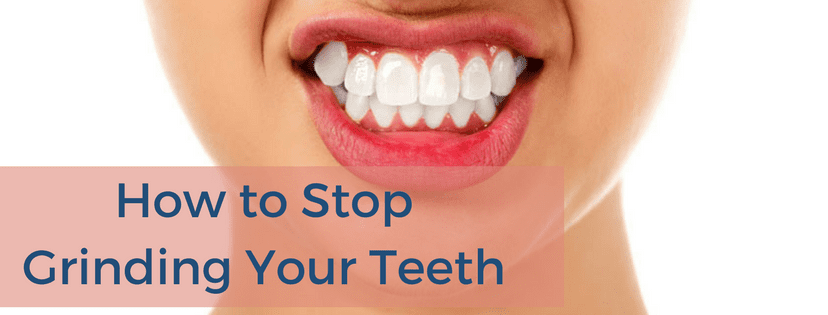
Are you tired of waking up with a sore jaw or a headache? Grinding your teeth, often without even realizing it, can cause serious discomfort and damage over time.
But what if you could put an end to this habit and protect your smile? You’ll discover simple, effective ways to stop grinding and regain control over your oral health. Keep reading—your jaw will thank you.

Credit: www.youtube.com
Causes Of Teeth Grinding
Stress and anxietyoften cause teeth grinding. The mind stays tense, leading to jaw clenching.
Sleep disorderslike sleep apnea can trigger grinding during rest. The body reacts to poor sleep by tightening muscles.
Misaligned teethcreate uneven pressure. The jaws try to adjust, causing grinding and wear.
Lifestyle factorssuch as caffeine, alcohol, and smoking increase chances of grinding. These habits affect muscle relaxation and sleep quality.
Signs And Symptoms
Jaw painand headachesoften signal teeth grinding. This pain can feel like a dull ache or sharp discomfort. Many people notice soreness in their jaw after waking up.
Worn teethshow signs of constant grinding. Teeth might look flat, chipped, or cracked. This damage can cause sensitivity to hot or cold foods.
Sleep disruptionshappen because grinding makes it hard to rest well. Noisy grinding can wake a partner. Frequent waking leads to tiredness during the day.
At-home Remedies
Stress reductioncan help stop jaw grinding. Try deep breathing exercises to calm your mind. Meditation or gentle yoga can ease tension. Avoid caffeine and heavy meals before bed. Taking short breaks during the day to relax also helps reduce stress.
Jaw exercisesstrengthen and relax muscles. Gently open and close your mouth. Move your jaw side to side slowly. Massage the jaw area with your fingers in small circles. These exercises reduce tightness and pain.
Good sleep hygienesupports overall health and reduces grinding. Keep a regular bedtime and wake time. Make your bedroom cool, dark, and quiet. Avoid screens at least an hour before sleep. A relaxing bedtime routine helps your body rest better.

Credit: kigodental.com
Dental Treatments
Mouthguardsand splints protect teeth from damage caused by grinding. These devices fit over the teeth and create a soft barrier. They reduce pressure and prevent wear. Made by dentists, they are custom-fit for comfort. Wearing a mouthguard at night can stop grinding sounds and jaw pain.
Corrective dental proceduresfix bite problems that cause grinding. Crooked or missing teeth can lead to uneven pressure. Treatments like braces, crowns, or reshaping teeth help balance the bite. This balance reduces the need to grind. Dental work can also repair damage from long-term grinding.
When To See A Doctor
Persistent jaw pain or headaches might signal the need for medical advice. Difficulty opening your mouth or worn teeth also warrant a doctor’s visit. Early help can prevent serious damage from grinding.
Persistent Symptoms
Grinding teeththat continues for weeks needs medical advice. Pain in the jaw, headaches, or worn teeth are signs to check. Difficulty opening or closing your mouth also matters. Ignoring these can cause long-term damageto your teeth and joints. A doctor or dentist can give the right treatment to stop harm.
Associated Sleep Disorders
Grinding often links to other sleep problems. Snoring, pauses in breathing, or feeling very tired during the day could be related. These issues may need a sleep study or special care. Treating sleep problems can help reduce grinding and improve rest quality.
Lifestyle Changes To Prevent Grinding
Limiting caffeine and alcoholcan reduce teeth grinding. Both can increase stress and make muscles tense. Avoid coffee, soda, and energy drinks late in the day. Alcohol may relax you but often disrupts deep sleep, causing more grinding.
Regular exercise helps lower stress and relax your body. Simple activities like walking or stretching can calm your muscles. Exercise also improves your mood, making it easier to avoid grinding at night.
Keeping a healthy sleep scheduleis key. Go to bed and wake up at the same time every day. Good sleep helps your body relax and heal. Avoid screens before bedtime to fall asleep faster and sleep better.
Alternative Therapies
Biofeedbackhelps you control muscle tension by showing real-time body signals. It teaches you to relax your jaw and reduce grinding. Sessions use sensors to monitor your body’s stress levels.
Acupunctureuses thin needles placed in specific spots to ease muscle tightness. This therapy may lower pain and stress that cause teeth grinding. Many find it calming and helpful for better sleep.
Massage Therapyfocuses on relaxing the muscles around your jaw and neck. Regular massages can reduce muscle stiffness and improve blood flow. This relief often leads to less grinding during sleep.
Credit: medium.com
Frequently Asked Questions
What Causes Teeth Grinding At Night?
Teeth grinding, or bruxism, is often caused by stress, anxiety, or misaligned teeth. Sleep disorders and lifestyle habits can also contribute. Identifying triggers helps in managing and reducing grinding effectively.
How Can I Stop Grinding My Teeth Naturally?
To stop grinding naturally, manage stress through relaxation techniques like meditation. Avoid caffeine and alcohol before bed. Use a warm compress on your jaw and practice good sleep hygiene to reduce grinding.
Does A Mouthguard Help Prevent Teeth Grinding?
Yes, a mouthguard protects teeth from damage caused by grinding. It cushions your teeth, reducing pressure and wear during sleep. Custom-fit guards from dentists offer the best comfort and effectiveness.
When Should I See A Dentist For Grinding?
See a dentist if grinding causes jaw pain, headaches, or damaged teeth. Early consultation prevents severe dental issues and helps find suitable treatment options like mouthguards or therapy.
Conclusion
Stopping grinding takes patience and daily effort. Start by relaxing your jaw often. Use mouthguards at night to protect teeth. Manage stress with simple breathing exercises. Avoid chewing gum or hard foods too much. Remember, small changes can make a big difference.
Keep track of your progress and stay consistent. Your smile and jaw will thank you. Take control today for a healthier tomorrow.