

Do you find yourself waking up with a sore jaw or headaches that just won’t go away? You might be grinding your teeth without even realizing it.
Teeth grinding, or bruxism, can quietly damage your smile and cause discomfort over time. But don’t worry—there are simple and effective ways to stop this habit before it takes a bigger toll on your health. Keep reading to discover practical tips that will protect your teeth and bring relief to your daily life.
Your journey to a healthier, pain-free smile starts here.
Causes Of Teeth Grinding
Stress and anxietyare common causes of teeth grinding. Many people clench their jaws when feeling worried or tense. This often happens during sleep without awareness.
Sleep disorderslike sleep apnea can cause grinding. Interrupted breathing makes the body react by tightening the jaw muscles. This leads to teeth grinding at night.
Misaligned teethcreate uneven pressure. The jaw tries to find a comfortable position, causing grinding or clenching. Orthodontic problems often increase this habit.
Lifestyle factorssuch as caffeine, alcohol, and smoking can worsen grinding. These substances increase muscle activity and stress, making grinding more frequent and intense.
Signs And Symptoms
Jaw painoften feels like soreness or tightness around your jaw. This pain can spread to your face and neck. Frequent headaches, especially in the temples, may also happen. These headaches often feel like tension or pressure.
Teeth that look shorter or have flat edges show signs of worn teeth. You might notice chips or cracks too. This wear happens because of constant grinding or clenching.
- Sleep disruptionsinclude waking up often or feeling tired in the morning.
- Loud grinding sounds during sleep can disturb others.
- Restlessness or difficulty falling asleep can be a sign.
At-home Remedies
Stressoften causes teeth grinding. Practice deep breathingor meditation daily. Try to relax your mind before bed. Avoid caffeine and sugar in the evening. These help lower stress levelsnaturally.
Good sleep helps reduce grinding. Keep a regular bedtime. Your bedroom should be quiet and dark. Avoid screens at least one hour before sleep. This improves sleep qualityand lowers grinding risk.
- Open your mouth wide, then close slowly.
- Move your jaw side to side gently.
- Place your tongue on the roof of your mouth.
- Massage your jaw muscles with fingers.
Repeat these exercises several times daily. They help relax jaw muscles and ease tension.
Dental Treatments
Mouthguardsand splintshelp protect teeth from grinding damage. They fit over your teeth and create a barrier. This stops teeth from rubbing against each other at night. Wearing them can reduce pain and prevent more harm. Dentists often custom-make these devices for the best fit.
Corrective dental proceduresfix problems that cause grinding. These can include reshaping teeth or fixing bite issues. Sometimes, braces or crowns are used to align teeth properly. Correcting these problems helps reduce the urge to grind. It also eases jaw pain and improves chewing.
Medical Interventions
Medication optionscan help reduce teeth grinding. Muscle relaxants may ease jaw tension. Sometimes, doctors suggest anti-anxiety drugs. These can lower stress that causes grinding. Pain relievers also help if grinding causes soreness. Always use medicine under a doctor’s advice.
Therapy for underlying issuesplays a big role. Stress and anxiety often trigger teeth grinding. Talking to a therapist can find and fix these problems. Behavioral therapy teaches ways to stop grinding habits. Relaxation techniques like deep breathing reduce stress. Counseling helps manage emotions that lead to grinding.
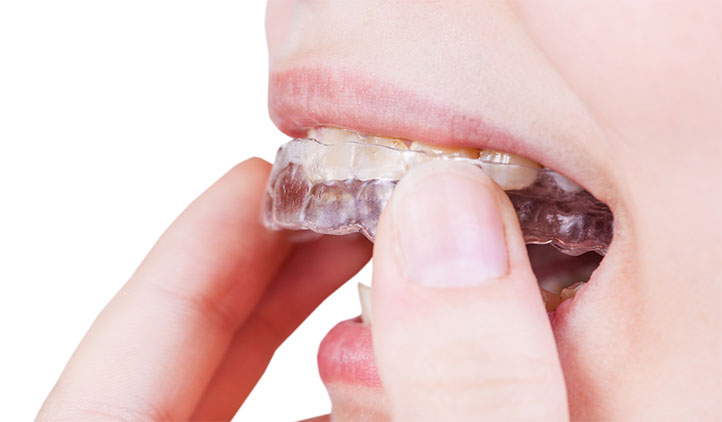
Credit: www.mckeeverdentalcare.com
Lifestyle Changes To Prevent Grinding
Avoiding stimulantslike caffeine and nicotine helps reduce teeth grinding. These substances can increase stressand make jaw muscles tense. Try to cut down on coffee, tea, and energy drinks, especially in the evening.
Limiting alcoholintake also lowers grinding risks. Alcohol can disrupt sleep and cause muscle relaxation, which may lead to more teeth grinding at night. Drinking less often or in smaller amounts can help protect your teeth.
Regular exerciseis a great way to lower stress and relax your body. Activities like walking, swimming, or yoga calm your mind and ease muscle tension. Staying active also improves sleep quality, reducing the chance of grinding during rest.
When To See A Professional
Persistent symptoms like jaw pain, headaches, or tooth sensitivityneed attention. Grinding may cause these issues daily or often during sleep.
Severe dental damage includes chipped, loose, or worn-down teeth. This damage can lead to serious problems.
Seeking a professional helps prevent long-term harmand improves comfort. Dentists can offer treatments like mouth guardsor stress management advice.

Credit: www.dentistryondusk.com

Credit: www.smiledentalturkey.com
Frequently Asked Questions
What Causes Teeth Grinding At Night?
Teeth grinding, or bruxism, is often caused by stress, anxiety, sleep disorders, or misaligned teeth. Identifying triggers helps in prevention and treatment.
How Can I Stop Grinding My Teeth Naturally?
Practice relaxation techniques, reduce caffeine, avoid alcohol before bed, and maintain good sleep hygiene to naturally reduce teeth grinding.
Are Mouth Guards Effective For Teeth Grinding?
Yes, custom-fitted mouth guards protect teeth from damage and reduce grinding noise during sleep, improving comfort and dental health.
Can Teeth Grinding Cause Headaches Or Jaw Pain?
Yes, grinding can lead to headaches, jaw pain, and muscle soreness due to excessive pressure on jaw muscles and joints.
Conclusion
Stopping teeth grinding takes time and patience. Try simple habits like relaxing your jaw and managing stress. Use mouth guards if needed, and keep regular dental check-ups. Small changes can protect your teeth and ease pain. Stay consistent and notice improvements over time.
Your smile will thank you.