
Are you waking up with a sore jaw or headaches and wondering if your retainer is making it worse? Grinding your teeth, especially while wearing a retainer, can cause serious damage to your smile and leave you feeling uncomfortable all day.
But don’t worry—you can take simple steps to protect your teeth and stop grinding for good. Keep reading to discover effective ways to ease the pressure, safeguard your retainer, and finally get the restful sleep your body needs. Your smile—and your jaw—will thank you.
Causes Of Teeth Grinding
Stress and anxietyoften cause teeth grinding. When people feel worried or tense, their jaw muscles tighten. This leads to clenching or grinding teeth during the day or night.
Sleep disorderslike sleep apnea can cause grinding too. Poor sleep makes the body restless. This restlessness can cause people to grind teeth unknowingly while asleep.
A misaligned bitemeans teeth do not fit together well. This poor fit forces the jaw to work harder. The extra effort can cause grinding and wear on teeth.
Role Of Retainers In Teeth Grinding
Retainers help keep your teeth in place after braces. They also affect how your jaw moves. By holding teeth steady, retainers can reduce strong jaw movements that cause grinding. This eases pressure on your jaw muscles and joints.
Different types of retainers work in various ways. Some cover all teeth and stop grinding directly. Others only keep teeth aligned without stopping jaw action. The right retainer depends on your needs and dentist’s advice.
| Type of Retainer | Impact on Teeth Grinding | Effect on Jaw Movement |
|---|---|---|
| Hawley Retainer | Provides moderate protection | Allows some jaw movement |
| Essix Retainer | Fully covers teeth, reduces grinding | Limits jaw movement more |
| Fixed Retainer | Keeps teeth aligned, less direct protection | No effect on jaw movement |
Signs You Are Grinding Teeth With Retainers
Grinding teeth can cause visible wear and tearon your retainers. Small cracks, rough edges, or thinning parts on the retainer surface are signs of grinding. These damages reduce the retainer’s effectiveness and comfort.
Jaw painand headachesoften come from constant pressure on your jaw muscles. Grinding with retainers can make these symptoms worse. Pain may feel like soreness or tightness near your ears or temples.
- Retainer edges look worn or chipped.
- Retainer feels loose or uncomfortable.
- Jaw hurts after wearing the retainer.
- Headaches appear more often.

Credit: alignerco.com
Tips To Reduce Grinding With Retainers
Ensuring your retainer fits correctlyis key to reducing teeth grinding. A retainer that is too tight or loose can cause discomfort and worsen grinding. Visit your dentist regularly for adjustmentsto keep the fit perfect.
Practice relaxation techniquesbefore bed. Deep breathing, gentle stretching, or listening to calm music can help your mind and body relax. This lowers stress, a common cause of teeth grinding.
Avoid stimulantslike caffeine and energy drinks in the evening. These can make your jaw tense and increase grinding. Choose water or herbal tea instead.
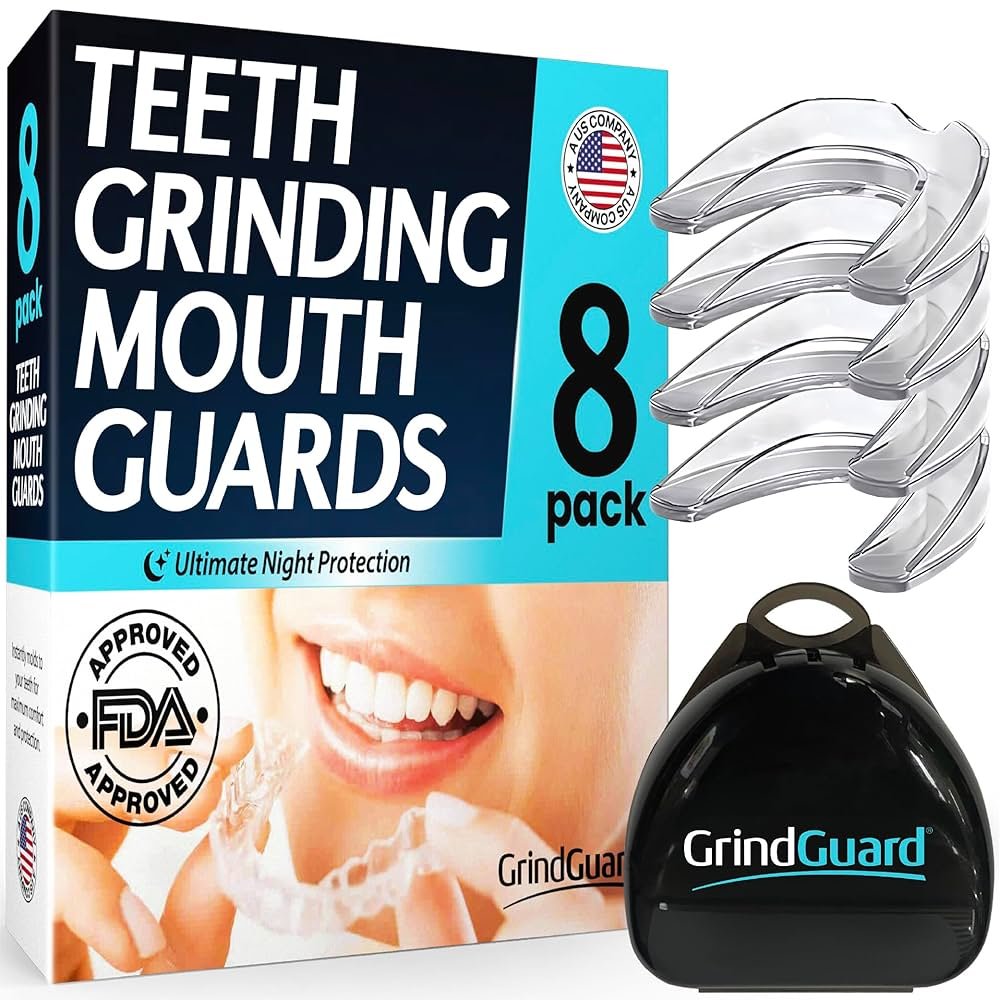
Wearing a night guardalong with your retainer can protect your teeth. Night guards cushion your teeth from grinding forces and reduce wear. Talk to your dentist about the best option for you.
When To See A Dentist
Persistent painin your jaw or teeth signals a need to visit your dentist. Pain that does not go away might mean your retainer is causing harm. Your dentist can check for damageto your teeth or gums.
Retainers can wear out or break over time. Replacementis necessary if your retainer no longer fits well. A dentist can help you get a new one that fits properly and stops grinding.
| Signs to See a Dentist | Why It Matters |
|---|---|
| Persistent jaw or tooth pain | Could indicate damage from grinding |
| Visible damage to teeth or gums | Needs professional care to prevent worsening |
| Retainer feels loose or broken | Needs replacement to protect teeth |

Credit: smilesbylarson.com

Credit: www.amazon.com
Frequently Asked Questions
How Do Retainers Help Stop Teeth Grinding?
Retainers provide a protective barrier between teeth, reducing friction from grinding. They also help align your bite, easing jaw tension and preventing damage caused by grinding during sleep.
Can Wearing Retainers Reduce Jaw Pain From Grinding?
Yes, retainers can ease jaw pain by stabilizing teeth and jaw alignment. This reduces muscle strain and inflammation caused by frequent teeth grinding, leading to less discomfort.
Are There Specific Retainers For Grinding Teeth?
Custom night guards or bite splints are specialized retainers designed for teeth grinding. They are thicker and more durable than regular retainers, offering better protection against grinding damage.
How Long Should I Wear Retainers To Stop Grinding?
Wear your retainer every night as recommended by your dentist. Consistent use helps train your jaw and prevents teeth grinding over time.
Conclusion
Stopping teeth grinding with retainers takes care and patience. Wear your retainer as your dentist says. Notice when you grind and try to relax your jaw. Avoid stress before bedtime and create a calm routine. If grinding continues, talk to your dentist for help.
Protecting your teeth helps keep your smile healthy. Small steps make a big difference over time. Keep your retainer clean and check it often. A peaceful night means less grinding and better rest.