
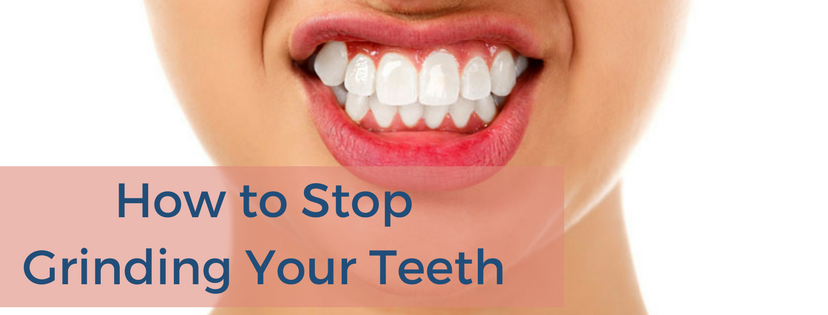
Do you catch yourself clenching or grinding your teeth during the day? It might seem harmless, but over time, this habit can lead to jaw pain, headaches, and even damage to your teeth.
The good news is you don’t have to live with it. You’ll discover simple and effective ways to stop grinding your teeth while you’re awake. By making a few easy changes, you can protect your smile and feel more comfortable throughout your day.
Keep reading to find out how you can take control and break this habit for good.
Credit: adofw.com
Causes Of Daytime Teeth Grinding
Stress and anxietyoften cause teeth grinding during the day. Tension in the mind makes the jaw clench tightly. This can happen without realizing it.
Poor jaw alignmentmeans teeth do not fit together well. This misalignment causes discomfort and leads to grinding. A dentist can check this problem.
Lifestyle factorslike caffeine, smoking, and lack of sleep increase grinding risk. These habits make the body tense and restless.
Medications and health conditionsmay also cause teeth grinding. Some medicines affect muscles or nerves. Conditions like Parkinson’s disease can increase jaw clenching.

Credit: www.amazon.ca
Identifying Teeth Grinding Habits
Teeth grindingoften causes jaw pain, headaches, and worn teeth. You might notice a clicking sound when moving your jaw. Some people feel tight muscles in the face or neck. These are common signs of daytime teeth grinding.
To watch your habits, try keeping a journal. Write down when you clench or grind your teeth. Notice if stress or tiredness makes it worse. Use gentle reminders like sticky notes or alarms to check your jaw.
Professional help is needed if pain lasts long or teeth look damaged. Dentists can offer devices to protect your teeth. They may also suggest exercises or stress relief tips. Early help can prevent serious problems.
Effective Stress Management
Breathing exerciseshelp calm the mind and relax muscles. Taking slow, deep breaths lowers stress and reduces teeth grinding. Try breathing in through the nose for four seconds, hold for four seconds, then breathe out slowly.
Mindfulness and meditationteach focus on the present moment. They help you notice when your jaw tenses. Practicing a few minutes daily can ease tension and stop grinding.
Physical activityreleases built-up stress and improves mood. Simple exercises like walking, stretching, or yoga relax the body. Regular movement keeps muscles loose and less prone to clenching.

Credit: kigodental.com
Jaw And Mouth Exercises
Relaxation techniqueshelp calm your jaw and stop teeth grinding. Try deep breathing to ease tension. Slowly breathe in through your nose, hold, then breathe out through your mouth. Repeat several times. This lowers stress and relaxes muscles.
Stretching exercisesloosen jaw muscles. Open your mouth wide, then gently close it. Move your jaw side to side slowly. Repeat these stretches 5-10 times. They increase jaw flexibility and reduce tightness.
Massage for jaw musclesrelieves built-up tension. Use your fingers to gently press and rub the muscles near your ears and jawline. Small circular motions help ease stiffness. Massage for 2-3 minutes daily to feel relief.
Lifestyle Changes To Reduce Grinding
Cutting down on caffeineand alcoholhelps calm your jaw muscles. These substances can make your body more tense. Try to avoid coffee, tea, energy drinks, and alcoholic drinks, especially in the afternoon and evening. This can lower the chance of grinding.
Good sleephelps your body relax and reduce stress. Make a bedtime routine that helps you feel calm. Keep your room dark and quiet. Avoid screens before sleep. Sleep well to protect your teeth and muscles.
Changing your body posturecan also help. Keep your head and neck straight when sitting or working. Use a chair that supports your back. Avoid holding your phone between your shoulder and ear. These small changes can ease muscle tension and stop grinding.
Dental Solutions And Devices
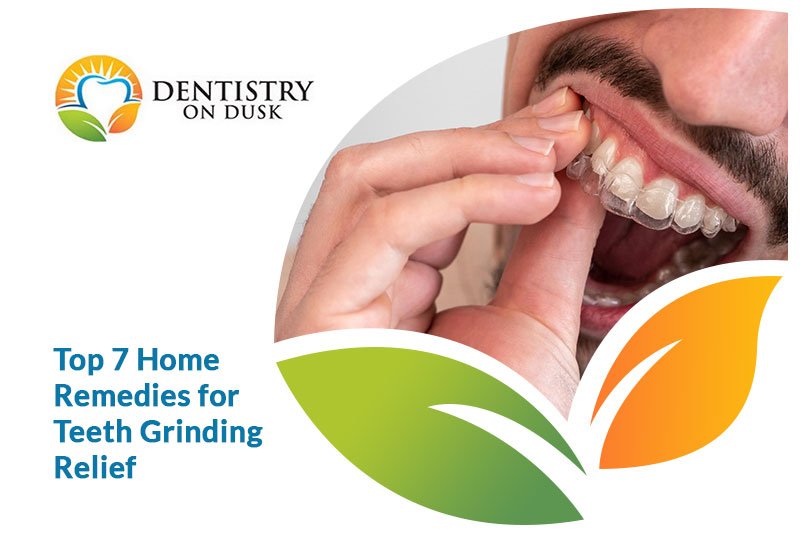
Mouthguardsand splintsprotect teeth from grinding damage. They are worn over teeth to stop direct contact. These devices can be custom-made by dentists for better fit and comfort. Wearing them during the day helps reduce stress on teeth. Some mouthguards are soft, while others are hard, depending on needs.
Corrective dental treatmentsfix teeth alignment. Crooked or misaligned teeth can cause grinding. Braces or clear aligners help position teeth properly. This reduces the urge to grind. Dentists may also reshape teeth surfaces to improve bite.
| Dental Solution | Purpose | How It Helps |
|---|---|---|
| Mouthguards | Protect teeth | Prevents teeth from rubbing and wearing down |
| Splints | Protect jaw | Reduces jaw muscle strain and grinding |
| Braces/Aligners | Align teeth | Fixes bite and reduces grinding urges |
| Tooth reshaping | Improve bite | Makes teeth fit better to stop grinding |
When To Consult A Specialist
Consulting a dentistis key if teeth grinding causes pain or damage. Dentists can check for worn teeth and jaw problems. They may suggest a mouth guard to protect your teeth during the day.
Therapists helpby teaching ways to reduce stress and control jaw clenching. They use talk therapy and relaxation techniques to ease tension that causes grinding.
| Medical Interventions | Purpose |
|---|---|
| Muscle relaxants | Help ease jaw muscle tightness |
| Botox injections | Reduce muscle activity causing grinding |
| Stress management | Lower stress to stop daytime teeth grinding |
Frequently Asked Questions
What Causes Teeth Grinding During The Day?
Daytime teeth grinding often results from stress, anxiety, or concentration. Poor posture and misaligned teeth can also contribute. Identifying triggers helps manage the habit effectively.
How Can I Stop Grinding Teeth While Working?
Taking regular breaks, practicing relaxation techniques, and maintaining good posture reduce grinding. Using a mouth guard during focused tasks may help protect your teeth.
Are There Exercises To Prevent Daytime Teeth Grinding?
Yes, jaw relaxation exercises and gentle stretching can relieve tension. Regularly massaging your jaw muscles also helps reduce grinding episodes throughout the day.
Can Diet Affect Teeth Grinding Habits?
Yes, high caffeine and sugar intake can increase anxiety, leading to more grinding. Staying hydrated and eating balanced meals support overall oral health and reduce grinding.
Conclusion
Stopping teeth grinding during the day takes effort and care. Pay attention to when you clench your teeth. Try to relax your jaw often. Use stress relief methods like deep breathing or short breaks. Avoid caffeine and chewing gum, as they can make grinding worse.
Talk to a dentist if grinding continues or causes pain. Small changes can protect your teeth and reduce discomfort. Keep practicing these tips for better oral health and peace of mind. Your smile will thank you.