
Do you wake up with a sore jaw or notice your teeth feeling worn down? Grinding your teeth, also known as bruxism, can cause pain and damage if it goes unchecked.
But you don’t have to accept this discomfort as your new normal. You’ll discover simple and effective ways to stop grinding your teeth and protect your smile. Keep reading to find out how you can take control and feel relief starting today.
Causes Of Teeth Grinding
Stress and anxietyare common causes of teeth grinding. When the mind is tense, the body reacts by clenching the jaw. This can happen during the day or at night while sleeping. Managing stress can reduce grinding significantly.
Sleep disorderssuch as sleep apnea or snoring often cause grinding. The body tries to protect the airway by tightening the jaw muscles. This action can lead to frequent teeth grinding episodes.
Dental issueslike crooked teeth or misaligned bites may trigger grinding. The teeth do not fit well together, causing the jaw to move oddly. Fixing dental problems can help stop the grinding.
Lifestyle factorsinclude habits like smoking, drinking alcohol, or drinking too much caffeine. These can increase the risk of grinding teeth. Healthy lifestyle changes often lower grinding frequency.

Credit: www.amazon.ca
Signs And Symptoms
Jaw pain and sorenessoften happen after grinding teeth at night. Your jaw may feel tired or tight. This pain can last for hours or days. Sometimes, your jaw may pop or click when you open your mouth.
Headaches and earachesare common signs. Grinding puts pressure on your face muscles. This can cause pain near your temples and around your ears. The pain may feel like a dull ache or sharp sting.
Worn teethshow visible signs of grinding. The edges of your teeth might look flat or chipped. Teeth can become sensitive to hot or cold food. This happens because enamel wears down over time.
Sleep disturbanceshappen when grinding makes you wake up often. It can stop deep sleep and cause tiredness during the day. Your partner might hear loud grinding noises at night.
At-home Remedies
Stress can cause teeth grinding. Try deep breathing or meditation to calm your mind.
Simple jaw exercises help relax muscles. Open your mouth wide, then slowly close it.
Good sleep helps reduce grinding. Keep a regular bedtime and create a quiet place to sleep.
Avoid drinks with caffeine or energy boosters, especially before bed. They can make grinding worse.
Dental Treatments
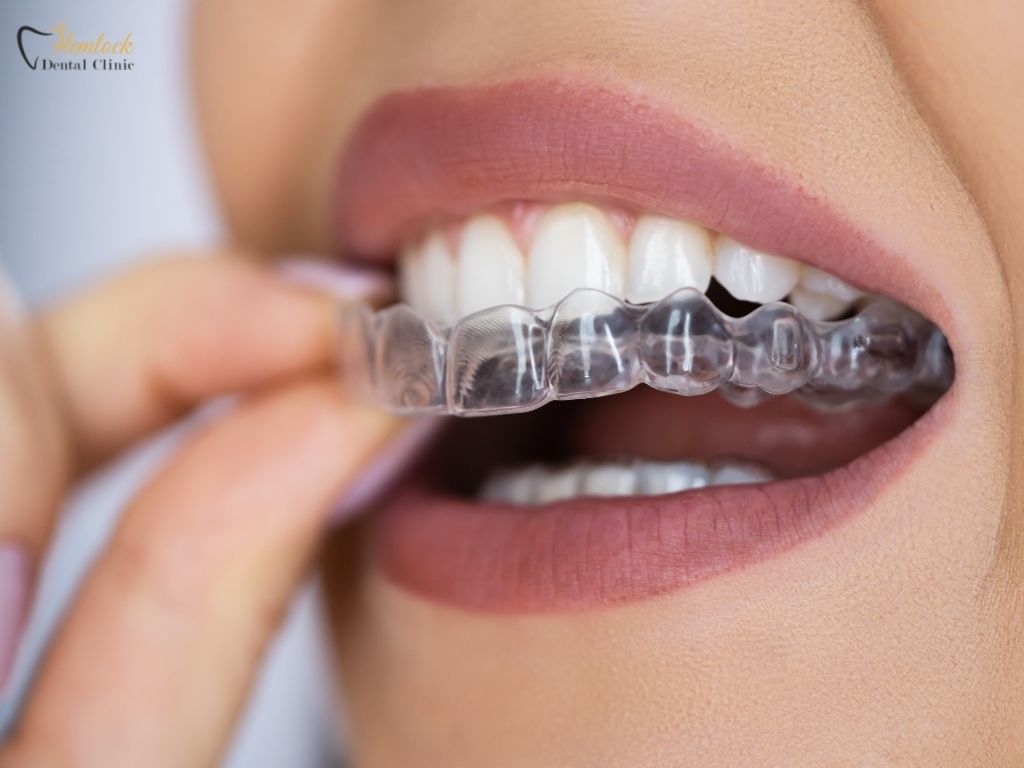
Mouthguardsand splints protect teeth from grinding damage. They fit over your teeth and stop them from rubbing.
Splints help reduce muscle strain and ease jaw pain. Custom-made devices fit better and feel more comfortable.
Corrective dental workfixes bite problems that cause grinding. Crowns, braces, or reshaping teeth can help.
Fixing how teeth meet lowers the chance of grinding. It also reduces jaw stress and discomfort.
Botox injectionsrelax jaw muscles. This limits the force used while grinding.
Botox can reduce muscle tightness and pain. It is a temporary treatment and must be repeated.
When To See A Doctor
Persistent symptomslike jaw pain, headaches, or worn teeth need medical advice. These signs mean grinding is causing harm.
Severe tooth damagesuch as cracks or loose teeth requires prompt dental care. Damage can worsen without treatment.
Sleep apnea concernsshould be checked by a doctor. Teeth grinding might link to breathing problems during sleep.

Credit: sentinelmouthguards.com
Preventive Measures
Regular dental checkups help catch teeth grinding early. Dentists can spot signs and suggest treatments. Visiting twice a year keeps teeth healthy and strong. Early care prevents more damage.
- Avoid caffeine and alcoholas they increase grinding risks.
- Keep a healthy sleep schedulefor better rest and less clenching.
- Limit chewing gumto reduce jaw stress.
Relaxation helps calm the jaw muscles. Try deep breathing or gentle stretches before bed. Warm compresses on the face ease tension. Quiet time reduces stress and grinding urges.
Credit: hemlockdentalclinic.com
Frequently Asked Questions
What Causes Teeth Grinding At Night?
Teeth grinding, or bruxism, is often caused by stress, anxiety, or misaligned teeth. Sleep disorders and lifestyle habits like caffeine intake can also contribute. Identifying the cause helps in choosing the right treatment to stop grinding effectively.
How Can I Stop Grinding Teeth Naturally?
To stop teeth grinding naturally, manage stress with relaxation techniques like meditation or deep breathing. Avoid caffeine and alcohol before bed. Practice good sleep hygiene and consider jaw exercises. These methods reduce tension and minimize grinding without medication.
Does A Mouthguard Help Prevent Teeth Grinding?
Yes, a mouthguard protects teeth by cushioning the jaw and reducing grinding damage. Custom-fitted guards from dentists are most effective. They help prevent tooth wear and jaw pain, making them a common and safe solution for bruxism.
When Should I See A Dentist For Teeth Grinding?
See a dentist if you experience jaw pain, headaches, or tooth damage. Early consultation prevents severe dental issues. Your dentist can diagnose bruxism and recommend treatments like mouthguards or orthodontics to stop grinding.
Conclusion
Stopping teeth grinding takes time and effort. Try to relax your jaw often. Avoid caffeine and stress before sleep. Use a mouth guard if your dentist suggests it. Stay aware of your habits during the day. Small changes can bring big relief.
Protect your teeth and improve your sleep. Keep trying different ways until you find what works. Your smile deserves care and attention every day.