
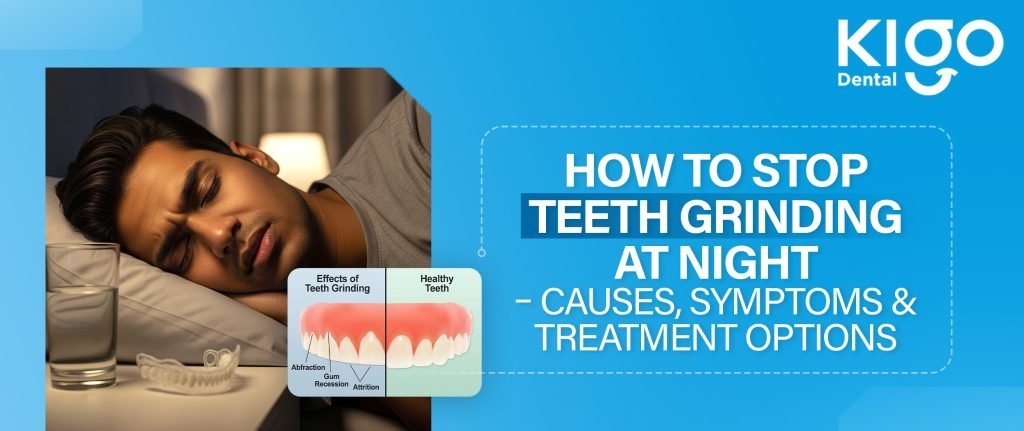
Are you waking up with a sore jaw or headaches and wondering why? Grinding your teeth while you sleep could be the hidden cause.
This habit can damage your teeth and affect your overall health if left unchecked. But don’t worry—you’re not alone, and there are simple steps you can take to stop it. You’ll discover easy, effective ways to protect your smile and get a restful night’s sleep.
Keep reading to learn how to finally put an end to teeth grinding for good.

Credit: www.amazon.com
Causes Of Teeth Grinding
Stress and anxietyare common causes of teeth grinding during sleep. Tension in the mind can make jaws clench tightly without control. This often happens during deep sleep phases.
Sleep disorderslike sleep apnea or snoring may trigger grinding. Disrupted sleep patterns cause the body to react by clenching teeth. This is a way to keep airways open.
Misaligned teethor bite problems can cause uneven pressure. The jaws try to adjust, leading to grinding or clenching at night. Dental issues often worsen this habit.
Lifestyle factorssuch as caffeine, smoking, or alcohol increase grinding risks. These habits affect sleep quality and muscle relaxation. Poor diet and lack of rest also contribute.
Signs And Symptoms
Morning jaw painis a common sign of teeth grinding. The muscles feel sore or tight after waking up. This pain can make chewing and talking uncomfortable.
Tooth damagehappens because of constant grinding. Teeth may become chipped, cracked, or worn down. This can lead to sensitivity and cavities over time.
Headachesoften occur, especially near the temples. These headaches can feel like tension or pressure and may happen more in the morning.
Sleep disruptionsare another symptom. Grinding noises can wake a person or their partner. This can cause poor sleep quality and tiredness during the day.
Home Remedies To Reduce Grinding
Managing stresshelps reduce teeth grinding at night. Try deep breathing or meditation to calm your mind. Simple activities like reading a book or listening to soft music can relax your body and mind before sleep.
Doing jaw exercisesdaily eases muscle tension. Open your mouth wide and move your jaw side to side slowly. Repeat these moves gently to relax your jaw muscles.
Avoid stimulantslike caffeine or nicotine before bed. These can make your muscles tense and cause grinding. Drinking water or herbal tea is a better choice in the evening.
Make a calming bedtime routine. Dim the lights and keep the room quiet. Try stretching or taking a warm bath. These habits help your body prepare for sleep without stress.
Professional Treatments
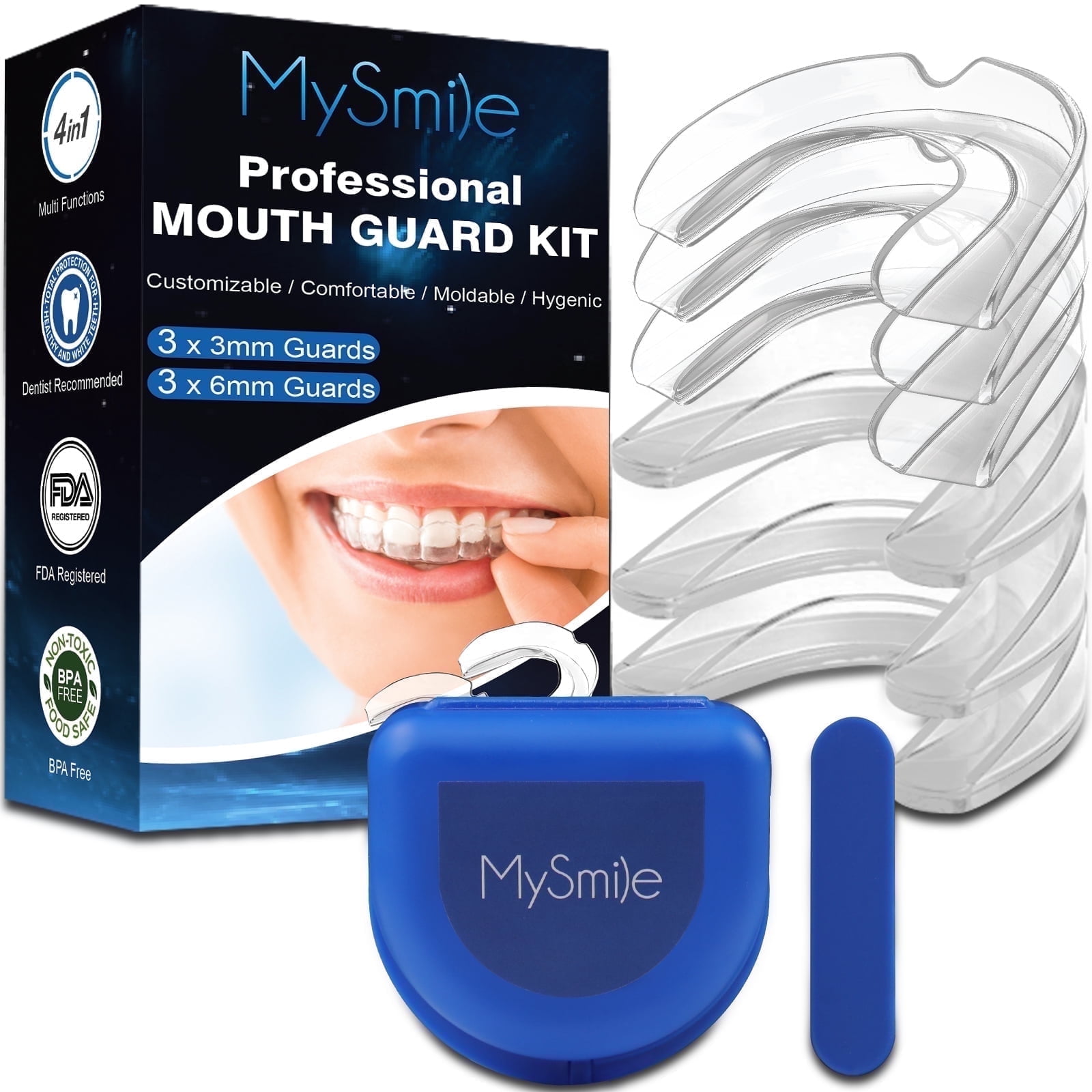
Dental mouthguardsare custom-made devices worn during sleep. They protect teeth from grinding damage. Mouthguards create a barrier between upper and lower teeth. They help reduce jaw pain and prevent tooth wear. Dentists fit and adjust these guards for comfort.
Behavioral therapyfocuses on changing habits that cause teeth grinding. It includes stress management and relaxation techniques. Therapists teach ways to keep the jaw muscles relaxed. This can lower the frequency of grinding episodes.
Medicationsmay be prescribed to reduce grinding. Muscle relaxants can ease jaw muscle tension. Sometimes, anti-anxiety drugs help if stress causes grinding. Medication use is usually short-term and under doctor supervision.
| Corrective Dental Procedures | Purpose |
|---|---|
| Tooth reshaping | Fixes uneven teeth to reduce grinding |
| Orthodontics | Aligns teeth and jaw to stop grinding |
| Restorative procedures | Rebuilds damaged teeth from grinding |
Preventive Measures
Good sleep hygienehelps reduce teeth grinding. Try to go to bed and wake up at the same time every day. Keep your bedroom quiet, dark, and cool. Avoid using screens at least one hour before sleep. This will help your mind and body relax.
Visiting the dentist regularly can catch early signs of grinding. Your dentist may suggest a mouthguard to protect your teeth at night. Early care can stop serious damage to your teeth and jaw.
Limit alcohol and caffeinebefore bedtime. These can make your muscles tense and increase grinding. Choose water or herbal tea instead. Avoid heavy meals late at night as well.
Using relaxation aidslike deep breathing or gentle stretching can calm your body. Try a warm bath or listen to soft music before bed. These simple steps help your muscles relax and lower stress.

Credit: www.amazon.ie
When To See A Doctor
Persistent painin the jaw or teeth signals a need for medical help. Constant headaches or sore muscles also matter. Noticeable damage to teeth, like chips or cracks, requires attention.
Severe sleep disruptionaffects daily life. Feeling very tired or having trouble focusing can be signs. Snoring loudly or gasping during sleep may also be related.
Underlying medical conditions could cause teeth grinding. Conditions such as stress, anxiety, or sleep disordersneed treatment. A doctor can help find the cause and suggest solutions.
Credit: www.walmart.com
Frequently Asked Questions
What Causes Teeth Grinding During Sleep?
Teeth grinding, or bruxism, is often caused by stress, anxiety, or misaligned teeth. Sleep disorders and lifestyle habits may also contribute. Identifying the cause helps in choosing effective treatments.
How Can I Stop Grinding Teeth Naturally?
Reducing stress through relaxation techniques and avoiding caffeine or alcohol before bed can help. Practicing good sleep hygiene and jaw exercises may also reduce grinding naturally.
Are Mouthguards Effective For Teeth Grinding?
Yes, custom or over-the-counter mouthguards protect teeth from damage. They create a barrier between upper and lower teeth, reducing grinding impact during sleep.
When Should I See A Dentist For Teeth Grinding?
Visit a dentist if you experience jaw pain, headaches, or worn teeth. Early diagnosis prevents damage and helps you get the right treatment.
Conclusion
Stopping teeth grinding at night improves your sleep and health. Try wearing a mouthguard to protect your teeth. Practice stress relief before bed, like deep breathing or light exercise. Avoid caffeine and heavy meals late in the evening. Talk to a dentist if grinding continues or causes pain.
Small changes can make a big difference. Take care of your teeth and enjoy peaceful nights. Your body will thank you for it.