
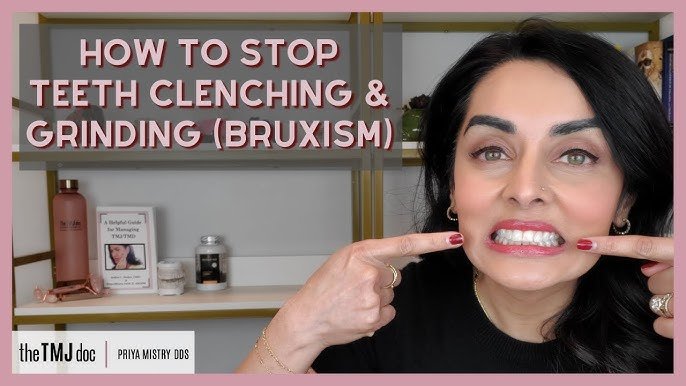
Are you waking up with a sore jaw or headaches that just won’t go away? You might be grinding or clenching your teeth without even realizing it.
This common habit can damage your teeth, cause pain, and affect your sleep. But the good news is—you don’t have to live with it. You’ll discover simple, effective ways to stop grinding and clenching your teeth for good. Keep reading to protect your smile and feel more comfortable every day.

Credit: www.dentistryondusk.com
Causes Of Teeth Grinding And Clenching
Teeth grinding and clenchingoften happen because of stress and anxiety. When people feel tense, their jaws tighten without them knowing. Sleep disorderslike sleep apnea can also cause this problem. These disorders disturb sleep and trigger jaw movements during the night.
Misaligned teethmake it hard to close the mouth properly. This can cause extra pressure on the jaw muscles, leading to grinding. Certain lifestyle factorssuch as smoking, drinking too much caffeine, or using drugs can increase the chance of teeth grinding and clenching.
- Stress and Anxiety:Muscle tension from stress tightens the jaw.
- Sleep Disorders:Interrupted sleep causes jaw movements.
- Misaligned Teeth:Poor bite alignment strains jaw muscles.
- Lifestyle Factors:Smoking, caffeine, and drugs raise risk.
Signs And Symptoms To Watch For
Jaw painand soreness are common signs of teeth grinding and clenching. The muscles around your jaw may feel tight or tired, especially in the morning. This discomfort can make it hard to open your mouth fully or chew food.
Tooth damageoften happens over time. Teeth may become worn, cracked, or chipped. This damage can cause tooth sensitivity or pain. Regular dental check-ups help catch these problems early.
- Headachesoften start near the temples and can be dull or sharp.
- Earachesmay occur even without ear infection, due to jaw muscle strain.
Sleep disruptionsare common with grinding. The noise may wake you or your partner. Poor sleep quality can lead to tiredness and trouble focusing during the day.
Effective Stress Management Techniques
Relaxation exerciseshelp ease muscle tension in your jaw and face. Simple techniques like deep breathing and gentle stretching calm your body. Try to breathe slowly in through your nose and out through your mouth. Repeat this several times to feel relaxed.
Mindfulness and meditationfocus your mind on the present moment. This practice reduces stress, which often causes teeth grinding. Sit quietly and pay attention to your breath or sounds around you. Even a few minutes daily can help your jaw relax.
Regular physical activityreduces overall stress and improves sleep. Activities like walking, swimming, or yoga can calm your mind and body. Aim for at least 30 minutes of exercise most days. This can lower the chance of clenching your teeth at night.

Credit: kigodental.com
Dental Solutions For Grinding And Clenching
Custom mouthguardsand splints protect teeth from damage caused by grinding and clenching. These devices fit snugly over the teeth and create a barrier between upper and lower teeth. They help reduce pressure on the jaw and prevent wear on tooth surfaces. Mouthguards are usually made from soft or hard plastic. Dentists design them to match each person’s mouth shape. Wearing these at night can lessen pain and prevent future dental problems.
Corrective dental treatmentsfix problems that cause teeth grinding. Crooked or missing teeth can lead to clenching. Treatments like braces, crowns, or bridges help align teeth properly. This reduces uneven pressure and jaw strain. Sometimes, dentists reshape the biting surfaces to make the teeth meet better. These fixes can improve comfort and stop damage from grinding over time.
Lifestyle Changes To Reduce Grinding
Limiting caffeine and alcoholhelps calm your body. Caffeine can make your muscles tense. Alcohol may increase teeth clenching at night. Try drinking less coffee, tea, and soda. Choose water or herbal tea instead.
Establishing a sleep routinetrains your body to relax. Go to bed and wake up at the same time. Create a calm, dark, and quiet bedroom. Avoid screens before sleep to help your mind rest.
Avoiding chewing non-food itemsstops jaw strain. Chewing pens, pencils, or gum can make your jaw tired. Use this habit time to relax your mouth instead.

Credit: www.smiledentalturkey.com
When To Seek Professional Help
Consulting a dentistcan help identify the cause of teeth grinding. Dentists may suggest a mouth guard to protect teeth during sleep. Regular dental check-ups spot damage early and prevent further problems.
Working with a therapistcan reduce stress and anxiety, common causes of grinding. Therapists teach relaxation techniques to help calm the mind and muscles. This support can lower the urge to clench teeth.
| Sleep Study Evaluations | Purpose | Benefits |
|---|---|---|
| Overnight Monitoring | Tracks teeth grinding and sleep quality | Identifies sleep disorders that trigger clenching |
| Muscle Activity Recording | Measures jaw muscle tension | Helps customize treatment plans |
| Breathing Analysis | Checks for breathing problems during sleep | Improves overall sleep health |
Frequently Asked Questions
What Causes Teeth Grinding And Clenching?
Teeth grinding and clenching often result from stress, anxiety, or sleep disorders. Misaligned teeth and lifestyle factors like caffeine can also contribute. Identifying triggers is key to effective treatment and prevention.
How Can I Stop Grinding Teeth At Night?
Use a mouthguard to protect teeth during sleep. Practice relaxation techniques before bed. Avoid caffeine and alcohol in the evening. Consult a dentist for personalized advice and treatment options.
Can Stress Cause Teeth Clenching?
Yes, stress is a common cause of teeth clenching. It triggers muscle tension and unconscious jaw tightening. Managing stress through therapy, exercise, or meditation can reduce clenching episodes.
Are There Natural Remedies For Teeth Grinding?
Natural remedies include stress reduction, warm compresses, and jaw exercises. Avoiding stimulants and practicing good sleep hygiene also help. These methods support overall dental health and reduce grinding frequency.
Conclusion
Stopping teeth grinding and clenching takes time and effort. Small steps can make a big difference. Try to relax your jaw often during the day. Use mouthguards at night to protect your teeth. Avoid caffeine and stress before bedtime. Practice good sleep habits for better rest.
Remember, consistency helps reduce the problem. Talk to your dentist for personalized advice. Taking care of your teeth improves comfort and health. Keep these tips in mind and stay patient. Relief is possible with simple daily changes.