
Are you waking up with a sore jaw or headaches that just won’t go away? Grinding or clenching your teeth at night could be the hidden cause behind your discomfort.
This habit not only affects your sleep but can also damage your teeth and lead to long-term problems. The good news is, you don’t have to live with it. You’ll discover simple and effective ways to stop grinding and clenching your teeth while you sleep.
Keep reading to protect your smile and enjoy restful nights again.
Credit: vancouverdentistbc.ca
Causes Of Teeth Grinding And Clenching
Stress and anxietyoften cause people to grind or clench teeth unknowingly. Tension builds up in the jaw muscles during stressful times. This tension can lead to frequent grinding at night. It may worsen if stress is not managed well.
Sleep disorderssuch as sleep apnea or snoring can trigger teeth grinding. These problems disrupt normal sleep patterns. The body may react by tightening jaw muscles and clenching teeth. This happens especially during deep sleep phases.
Dental issueslike misaligned teeth or missing teeth can cause grinding. The jaw tries to find a comfortable position, leading to clenching. Uneven teeth surfaces increase the chance of wear and damage from grinding.
Lifestyle factorssuch as caffeine, smoking, and alcohol use also play a role. These habits can increase jaw muscle activity at night. Poor sleep hygiene may worsen grinding and clenching symptoms.
Signs And Symptoms
Jaw pain and sorenessoften appear after a night of teeth grinding. The muscles feel tight or tired. Many people wake up with a stiff jaw or find it hard to open their mouth wide. This discomfort can last for hours or even days.
Tooth damageshows as worn edges, chips, or cracks on teeth. Constant grinding wears down enamel and makes teeth more sensitive. Over time, this can lead to cavities or broken teeth.
Headaches and earachesare common complaints. The pressure from clenching spreads to the head and ears. These pains often happen in the morning and may get worse during the day.
Sleep disturbancesinclude restless sleep or waking up tired. Grinding makes it hard to stay in deep sleep. This leads to poor rest and feeling sleepy during the day.
Effective Prevention Techniques
Stressoften causes teeth grinding and clenching. Try simple ways to relax before bed. Breathing deeply or listening to soft music can help calm your mind. Avoid thinking about stressful things right before sleep.
Good sleep habits are key. Keep a regular bedtime and wake time. Make your bedroom quiet and dark. Avoid screens at least an hour before sleeping. This helps your body rest well and reduces grinding.
Avoid stimulants like caffeine and nicotine in the evening. These can make your muscles tense and cause clenching. Drink water or herbal tea instead to stay calm.
- Open your mouth wide and hold for a few seconds.
- Move your jaw side to side slowly.
- Massage your jaw muscles gently with your fingers.
- Repeat these exercises daily to relax your jaw.

Credit: www.amazon.com
Dental Solutions
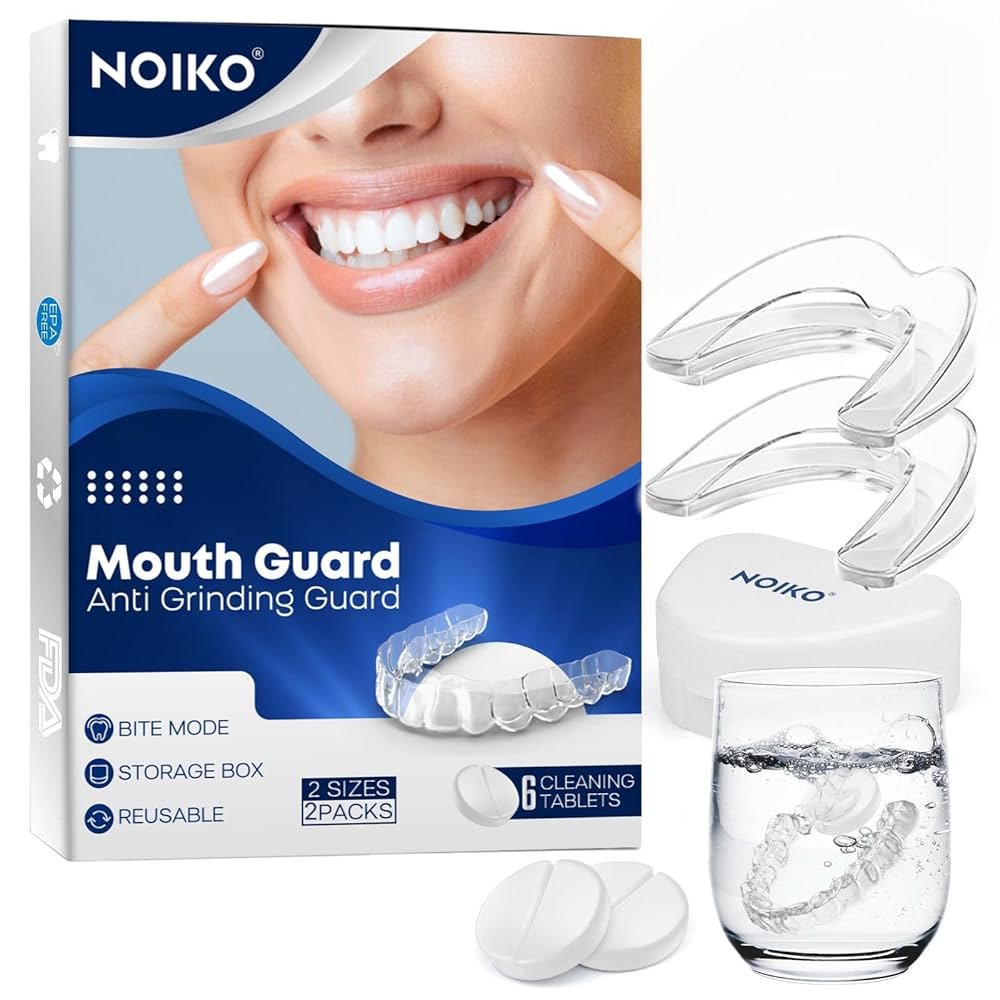
Mouthguards and splintshelp protect teeth from grinding damage. They fit over the teeth and stop them from rubbing together. These devices reduce pain and prevent wear on teeth. Custom-made mouthguards by dentists fit better and feel comfortable. Over-the-counter versions are cheaper but may not fit well. Wearing a mouthguard every night helps reduce clenching and grinding.
Corrective dental proceduresfix teeth alignment problems causing grinding. Crooked or missing teeth can cause uneven pressure. Procedures like braces or crowns can balance bite forces. These treatments reduce stress on teeth and jaw muscles. Dentists check your bite and suggest the best option. Fixing dental issues lowers the chance of grinding at night.
Lifestyle Adjustments
Cutting down on alcoholand caffeinehelps reduce teeth grinding at night. These substances can increase muscle tensionand make it harder to relax your jaw. Try to avoid coffee, tea, and energy drinks in the late afternoon and evening. Choose water or herbal tea instead.
Regular exercise also plays an important role. Physical activity helps lower stressand release tension in your body. Aim for at least 30 minutes of moderate exercise most days. Activities like walking, swimming, or yoga can be very helpful. Avoid intense workouts close to bedtime, as they may keep you awake.
When To Seek Professional Help
Severe teeth grindingcan cause pain, broken teeth, and jaw problems. Signs include constant headaches, sore jaw muscles, and worn-down teeth. If these symptoms happen often, it is time to see a professional.
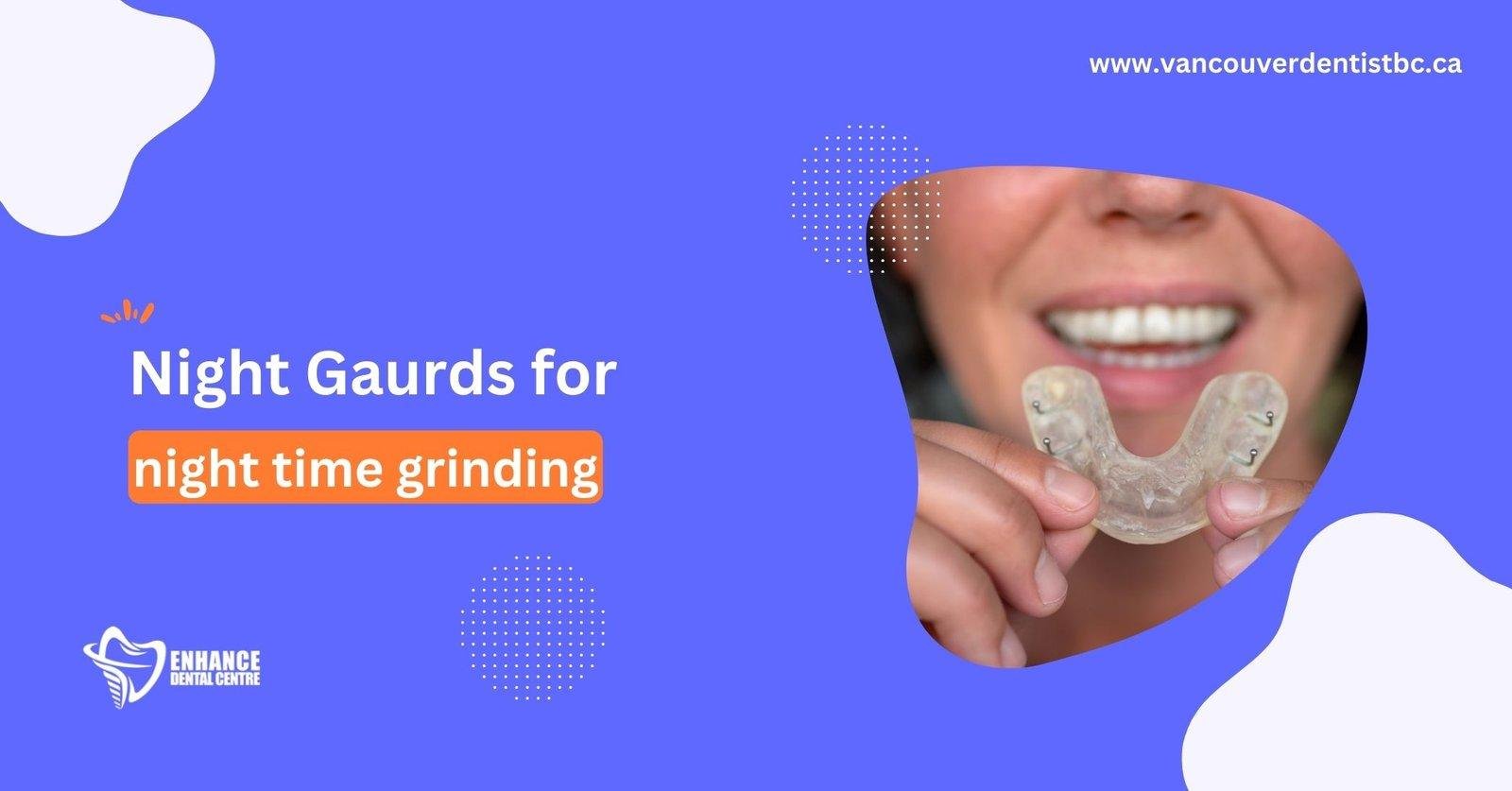
A dentist can check your teeth and bite. They may suggest a mouth guard to protect your teeth at night. A sleep specialist can help if grinding is linked to sleep problems like sleep apnea.
- Teeth damage or pain that does not improve
- Frequent headaches or jaw soreness
- Sleep disruptions or loud grinding noises
- Difficulty opening or closing the mouth
Professional help can stop damage and ease pain. Early treatment helps avoid bigger problems later.

Credit: kigodental.com
Frequently Asked Questions
What Causes Teeth Grinding And Clenching At Night?
Teeth grinding, or bruxism, is often caused by stress, anxiety, sleep disorders, or misaligned teeth. It can also result from lifestyle habits like caffeine or alcohol intake. Identifying the root cause helps in choosing the right treatment to stop grinding and clenching effectively.
How Can I Stop Grinding Teeth Naturally At Night?
Relaxation techniques such as meditation, deep breathing, and progressive muscle relaxation can reduce nighttime grinding. Avoid caffeine and alcohol before bed. Maintaining a consistent sleep schedule and managing stress levels also help prevent teeth clenching naturally without medication or devices.
Are Mouthguards Effective For Teeth Grinding?
Yes, custom-fitted mouthguards protect teeth from grinding damage by cushioning the bite. They reduce jaw muscle strain and prevent tooth wear. Using a mouthguard at night is a common and effective solution recommended by dentists for managing sleep bruxism safely.
Can Lifestyle Changes Reduce Teeth Clenching During Sleep?
Absolutely. Reducing stress through exercise, therapy, and mindfulness lowers clenching frequency. Avoiding stimulants like caffeine and alcohol before bed also helps. Good sleep hygiene, including a calming bedtime routine, supports relaxation and decreases nighttime teeth grinding.
Conclusion
Stopping teeth grinding and clenching at night takes small steps. Try to relax before bed with deep breaths or soft music. Use a mouth guard if a dentist suggests it. Avoid caffeine and stress late in the day. Keep a regular sleep schedule to help your body rest.
These habits protect your teeth and improve sleep quality. Stay patient and consistent. Relief will come with time and care. Your smile and health will thank you.