
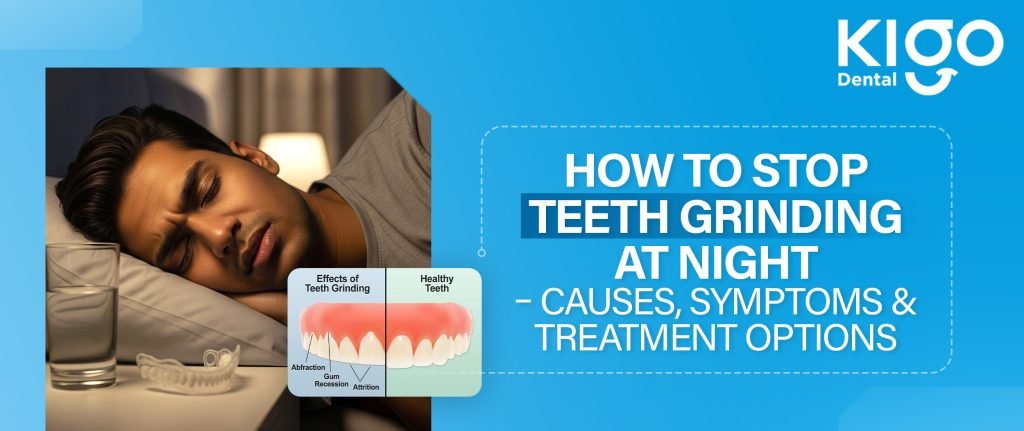
Do you wake up with a sore jaw or headaches that just won’t go away? You might be grinding your teeth while you sleep, and it’s more common than you think.
Teeth grinding can damage your smile, cause pain, and even affect your overall health. But here’s the good news—you don’t have to live with it. You’ll discover simple, effective ways to stop grinding your teeth at night. Keep reading to protect your smile and get the restful sleep you deserve.

Credit: sentinelmouthguards.com
Causes Of Teeth Grinding
Teeth grindingcan happen for many reasons. Stress and anxietyoften cause the jaw to tighten during sleep. This tension leads to grinding sounds and discomfort.
Sleep disorderslike sleep apnea may also trigger grinding. The body reacts to breathing problems by clenching teeth.
Misaligned teethcan cause uneven pressure. This makes the jaw work harder and grind more.
Lifestyle factorssuch as caffeine, alcohol, and smoking increase the chance of grinding. Poor sleep habits also play a role.

Credit: www.amazon.com
Symptoms To Watch For
Jaw pain and sorenessare common signs of teeth grinding. You may feel discomfort in your jaw muscles or around your ears. This pain often worsens in the morning.
Headachescan happen from the strain in your jaw. These headaches usually start near the temples and can last for hours.
Damaged teethshow as worn-down edges, chips, or cracks. Your dentist may notice these during a check-up, even if you don’t feel pain.
Sleep disruptionsoccur because grinding makes it hard to rest well. You might wake up often or feel tired during the day.
Home Remedies To Reduce Grinding
Stress can make teeth grinding worse. Try deep breathing or meditation to calm your mind. Taking time to relax before bed helps reduce tension. A calm mind leads to less grinding during sleep.
Good sleep habits improve your rest and reduce grinding. Keep a regular bedtime and wake-up time every day. Make your bedroom quiet, dark, and cool. Avoid screens at least one hour before sleep.
Simple jaw exercises can ease muscle tension. Gently open and close your mouth several times. Move your jaw side to side slowly. These exercises help relax muscles and reduce clenching.
- Avoid caffeine and energy drinks in the evening.
- Skip alcohol before bedtime as it may worsen grinding.
- Limit smoking; it can increase stress and muscle activity.
Dental Solutions
Mouthguardsand splintshelp protect teeth from grinding damage. They create a soft barrier between upper and lower teeth. This reduces pressure and prevents wear. Custom-made devices fit well and feel comfortable. They are usually worn during sleep.
Corrective dental treatmentsfix bite problems causing grinding. These may include:
- Braces to align teeth properly
- Crowns to restore damaged teeth
- Adjusting tooth shape or height
Consulting a dentist helps choose the best treatment. Early care can stop damage and ease discomfort.
When To See A Doctor
Persistent teeth grinding may cause pain and disrupt sleep. Seek medical advice if symptoms last more than a few weeks. A doctor can check for hidden problems and suggest treatments.
Severe tooth damage can include cracked or worn teeth. This damage may cause sensitivity and pain. A dentist can fix or protect your teeth to stop further harm.
Sleep apnea can worsen teeth grinding. Signs include loud snoring and gasping during sleep. A sleep study might be needed to diagnose and treat this condition properly.
Credit: medium.com
Frequently Asked Questions
What Causes Teeth Grinding During Sleep?
Teeth grinding, or bruxism, is caused by stress, anxiety, sleep disorders, or misaligned teeth. It often occurs unconsciously during deep sleep stages. Identifying triggers can help manage or reduce grinding and prevent dental damage.
How Can I Stop Grinding Teeth At Night Naturally?
To stop grinding teeth naturally, try stress reduction techniques like meditation or exercise. Avoid caffeine and alcohol before bed. Use relaxation exercises and maintain a consistent sleep schedule to improve sleep quality and reduce nighttime teeth grinding.
Does A Mouthguard Help Prevent Teeth Grinding?
Yes, a mouthguard protects teeth from damage caused by grinding. It cushions the teeth and reduces jaw strain. Custom-fitted mouthguards from dentists offer the best protection and comfort for night-time teeth grinders.
When Should I See A Dentist For Teeth Grinding?
See a dentist if you experience jaw pain, headaches, or worn teeth. Early dental consultation can prevent further damage and provide treatments like mouthguards or orthodontics. Timely care improves comfort and oral health.
Conclusion
Stopping teeth grinding during sleep needs simple steps and care. Try using a mouth guard at night. Practice relaxation techniques before bed. Avoid caffeine and stress in the evening. Keep a regular sleep schedule. Visit your dentist for advice and checkups.
Small changes can bring big relief. Protect your teeth and enjoy peaceful sleep. Take action today for a healthier smile.