
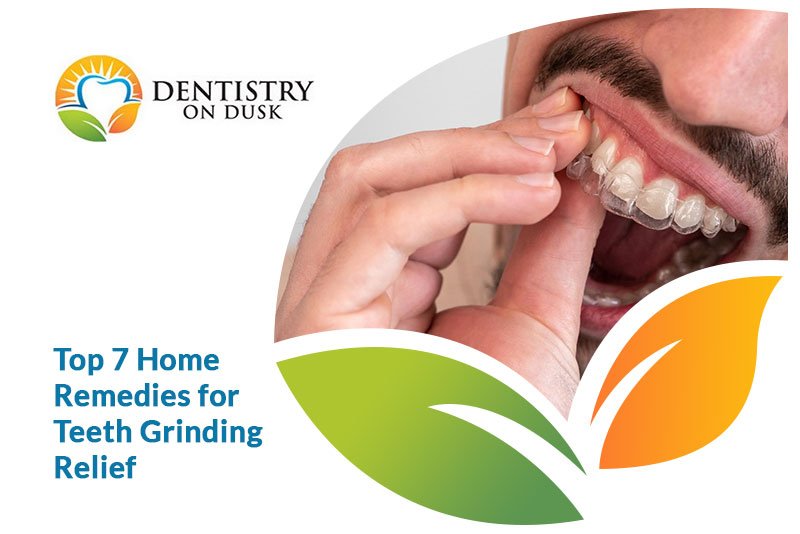
Do you find yourself clenching or grinding your teeth during the day? This habit can cause headaches, jaw pain, and even damage your teeth over time.
But the good news is, you don’t have to live with it. You’ll discover simple and effective ways to stop daytime teeth grinding for good. Keep reading to protect your smile and feel more comfortable every day.
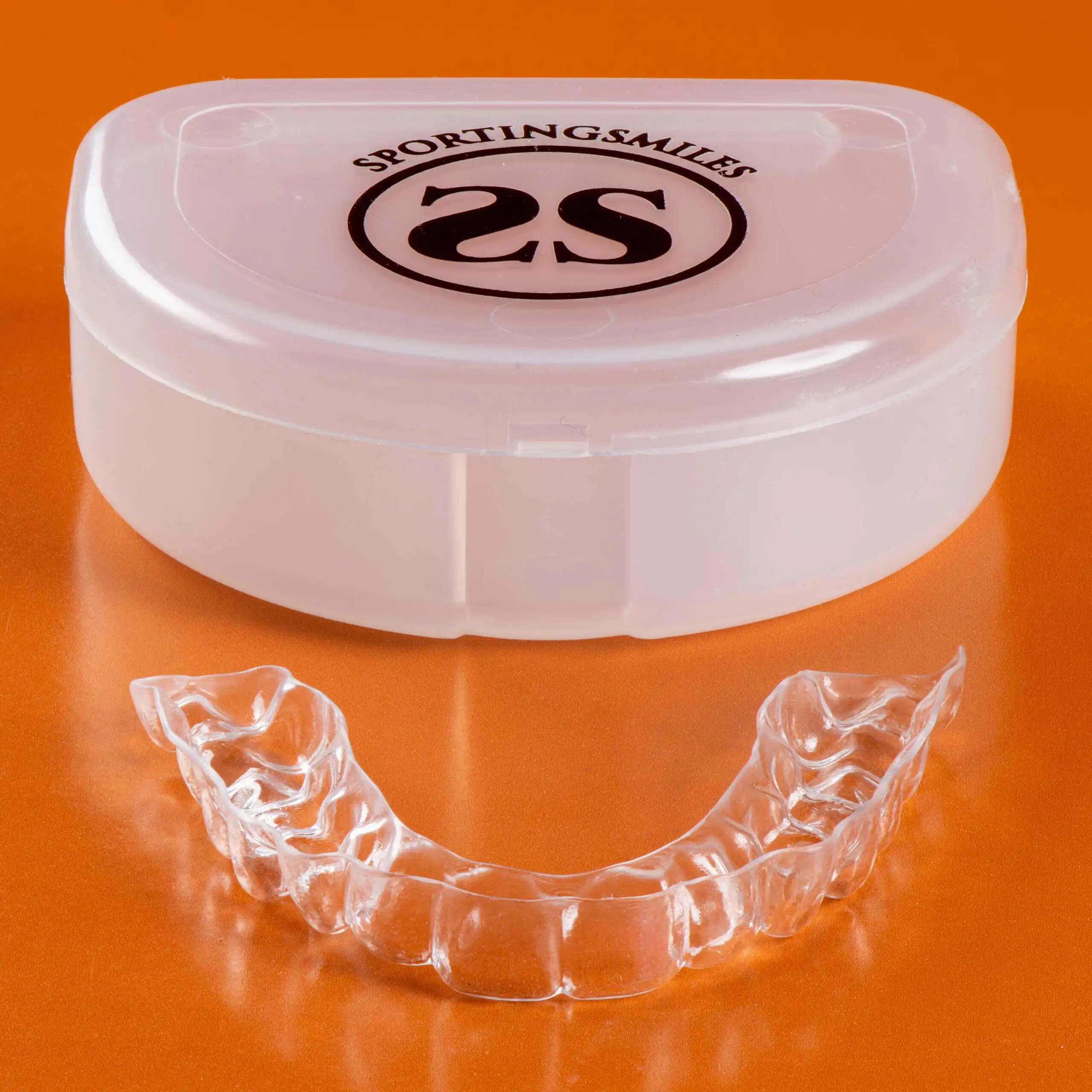
Credit: sportingsmiles.com
Causes Of Daytime Teeth Grinding
Stress and anxietycan cause muscles to tense up, leading to teeth grinding during the day. People under pressure or feeling worried often clench their jaws without knowing.
Misaligned teethcreate discomfort, causing the jaw to move awkwardly. This can lead to grinding as the mouth tries to find a comfortable position. Uneven teeth or bite problems often trigger this behavior.
Lifestyle factorssuch as caffeine, smoking, and lack of sleep increase the chance of grinding. These habits can make the jaw muscles more sensitive or tense, causing more grinding episodes.
Certain medications and health conditionsmay also contribute. Drugs that affect the nervous system or cause muscle spasms can lead to teeth grinding. Conditions like acid reflux or sleep disorders can increase jaw clenching too.
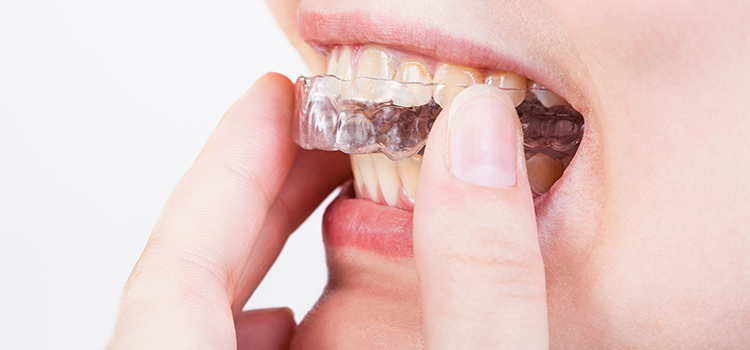
Credit: www.proteethguard.com
Signs You Grind Your Teeth During The Day
Grinding teeth during the day can cause several signs. Jaw painand soreness often happen after clenching. It may feel like your jaw is tired or stiff.
Tooth sensitivitycan occur due to the constant pressure. Cold or hot foods might hurt more than usual.
Headachescan start near your temples. They might feel dull or sharp and come often.
Worn tooth surfacesappear when enamel wears down. Teeth might look flat or chipped over time.
Behavioral Changes To Reduce Grinding
Stress can cause teeth grinding.Try deep breathing or meditation to feel calm. Short breaks during work help reduce tension. Exercise also lowers stress and relaxes muscles.
Good jaw posture helps stop grinding.Keep your teeth slightly apart and lips closed. Avoid clenching your jaw tightly. Relax your face often to ease jaw muscles.
Avoid chewy foods.Gum and tough snacks make jaw muscles tired. Choose softer foods to give your jaw a rest.
Limit stimulants like caffeine and energy drinks.They can increase jaw tension and grinding. Drink water or herbal teas instead.
Dental Solutions For Teeth Grinding
Custom mouthguardsfit the shape of your teeth. They stop your jaws from grinding. Wearing them during the day can protect your teeth. They also reduce muscle strain and jaw pain.
Corrective dental treatmentsfix problems causing grinding. Crooked teeth or bad bites may make grinding worse. Braces or dental reshaping can help. These treatments guide your teeth into better positions.
Regular dental checkupshelp spot teeth grinding early. Dentists check for wear or damage on teeth. Early care can prevent serious problems. They may suggest treatments to stop grinding.
Home Remedies To Soothe Jaw Muscles
A warm compresscan help relax tight jaw muscles. Apply it to the jaw area for 10-15 minutes. This soothes soreness and improves blood flow.
Simple jaw exercisesease muscle tension. Open your mouth slowly and hold for a few seconds. Then, gently move your jaw from side to side. Repeat this several times daily.
- Deep breathingcalms your body and reduces stress.
- Progressive muscle relaxationhelps release jaw tightness.
- Try to stay mindfuland avoid clenching your teeth.

Credit: www.amazon.com
When To See A Professional
Persistent painin your jaw or teeth signals a need for expert care. Continuous grinding can cause tooth damage, which only a dentist can fix properly. Do not ignore soreness or visible wear on your teeth.
Grinding often links with sleep disorderslike sleep apnea. Specialists can check for these problems. Treating sleep issues may reduce grinding and improve your overall health.
Stress and anxiety can cause daytime teeth grinding. Psychological supportsuch as therapy or counseling can help manage these triggers. Learning to relax can reduce the urge to grind your teeth.
Frequently Asked Questions
What Causes Daytime Teeth Grinding?
Daytime teeth grinding often results from stress, anxiety, or poor jaw alignment. Identifying triggers helps in managing and reducing grinding effectively.
How Can I Stop Grinding Teeth During The Day?
Practice stress-relief techniques, maintain good posture, and use a dental guard if recommended. Regular breaks to relax your jaw also help.
Is Daytime Teeth Grinding Harmful To Teeth?
Yes, it can cause tooth wear, sensitivity, and jaw pain. Early intervention prevents long-term dental damage and discomfort.
Can Lifestyle Changes Reduce Daytime Teeth Grinding?
Yes, reducing caffeine, quitting smoking, and improving sleep quality can significantly decrease grinding episodes during the day.
Conclusion
Stopping daytime teeth grinding takes time and patience. Small changes make a big difference. Practice stress-reducing techniques like meditation. Use a mouthguard if needed. Regular dental checkups help catch issues early. Talk to your dentist about your concerns. They can offer personalized advice.
Stay consistent with your routine. Habits take time to change. Notice improvements as you stay committed. Healthier teeth and jaws await you. Keep learning and adapting. Your smile deserves the best care.