
Do you wake up with a sore jaw or a headache and wonder why? You might be clenching or grinding your teeth at night without even realizing it.
This common problem can damage your teeth and disrupt your sleep, leaving you tired and uncomfortable. But the good news is, you don’t have to live with this pain. You’ll discover simple, effective ways to stop clenching and grinding your teeth at night.
Keep reading to protect your smile and wake up feeling refreshed every day.

Credit: www.amazon.com
Causes Of Teeth Clenching And Grinding
Stress and anxietyare common triggers of teeth clenching and grinding at night. When the mind is tense, the body often reacts by tightening muscles, including those around the jaw. This can cause unconscious grindingduring sleep.
Sleep disorderslike sleep apnea may lead to grinding. These conditions disrupt normal sleep patterns, causing brief awakenings. The jaw muscles can tighten in response, leading to clenching or grinding.
Misaligned teethor an uneven bite may cause the jaw to work harder. The teeth do not fit together properly, which can result in excess pressureand grinding during sleep.
Lifestyle factorssuch as caffeine, smoking, and alcohol can increase the risk of teeth grinding. These habits can affect the nervous system and make muscles more active, especially at night.

Credit: www.amazon.com
Signs And Symptoms To Watch For
Jaw pain and sorenessoften occur after waking up. The muscles feel tight and tired. This can happen from clenching or grinding teeth at night.
Headachesmay start in the morning or after sleep. They feel like pressure around the temples or forehead. Grinding can cause tension headaches.
Worn tooth surfacesshow as flat or chipped teeth. The enamel may look thin or shiny. This damage happens because of constant grinding.
Sleep disruptionshappen due to discomfort or jaw pain. Teeth grinding noise can also wake a sleeping partner. Poor sleep quality is common with this issue.
Effective Stress Management Techniques
Relaxation exercises help calm the mind and body. Deep breathing and gentle stretching reduce tension. These activities lower stress and ease muscle tightness in the jaw. Practicing relaxation before bed can stop teeth grinding.
Mindfulness and meditation focus attention on the present moment. They help clear worries and promote calmness. Regular meditation teaches the brain to relax, which may reduce clenching during sleep. Even a few minutes daily can make a difference.
Physical activity relieves stress and improves mood. Activities like walking, swimming, or yoga help release built-up tension. Exercise also improves sleep quality, which lessens night-time grinding. Aim for at least 30 minutes most days.
Proper sleep hygiene creates a peaceful bedtime routine. Keep a regular sleep schedule and make the bedroom quiet and dark. Avoid screens and caffeine before bed. Good sleep habits support relaxation and reduce teeth clenching.
Dental Solutions To Protect Your Teeth
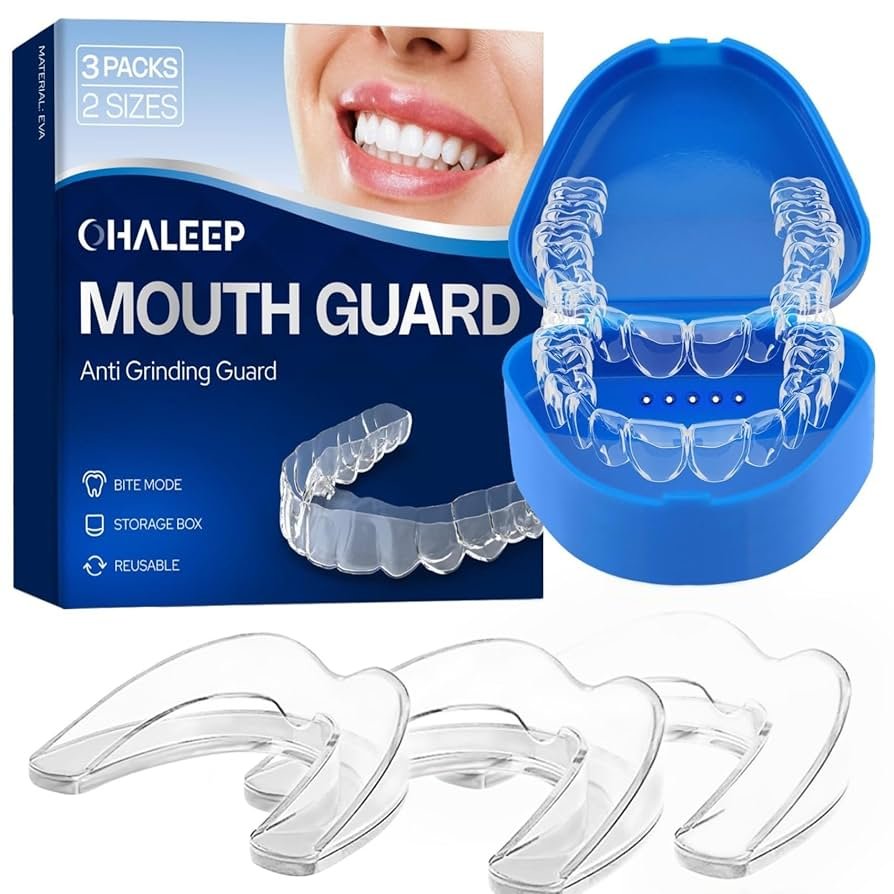
Custom night guards are made to fit your teeth perfectly. They act as a cushion between your upper and lower teeth. This stops damage from clenching and grinding. Wearing a night guard can reduce pain in your jaw and headaches.
Orthodontic treatments help align your teeth properly. Misaligned teeth can cause more grinding. Braces or clear aligners can fix this issue over time. Proper alignment means less pressure on teeth while sleeping.
Dental corrections fix damaged or uneven teeth. Crowns, fillings, or reshaping can make teeth less likely to grind. These treatments balance your bite and protect your teeth’s surface. Regular dental check-ups can spot these problems early.
Lifestyle Changes To Reduce Grinding
Limiting caffeine and alcoholhelps relax your jaw muscles. Both can increase teeth grinding at night. Try to avoid coffee, tea, and energy drinks after late afternoon. Cut back on alcohol before bedtime as it may disturb your sleep and cause clenching.
Avoiding chewing gumstops your jaw from getting too tense. Chewing gum trains your muscles to stay active. This can lead to more grinding during sleep. Give your jaw a break to reduce strain and pain.
Establishing a calm bedtime routineprepares your body for rest. Try gentle stretches, deep breathing, or reading a book. Avoid screens and bright lights before bed. A quiet mind helps lower stress and prevents clenching.

Credit: www.amazon.com
When To Seek Professional Help
Consulting a dentistis important if teeth clenching causes pain or damage. Dentists can check for worn teeth and suggest a mouth guard. This device protects teeth during sleep. They may also spot other problems linked to grinding.
Visiting a sleep specialisthelps when clenching is linked to sleep issues. Specialists study sleep patterns and may use tests to find problems like sleep apnea. Treating these problems can reduce teeth grinding.
Therapy for stress and anxietycan reduce teeth clenching caused by tension. Talking to a counselor or therapist helps manage stress. Learning ways to relax before bed can stop grinding. Simple breathing exercises or meditation might help.
Frequently Asked Questions
What Causes Teeth Clenching And Grinding At Night?
Teeth clenching and grinding, or bruxism, is often caused by stress, anxiety, or misaligned teeth. Sleep disorders and certain medications can also contribute to this condition. Identifying the cause helps in choosing the right treatment to prevent damage and discomfort.
How Can I Stop Grinding Teeth While Sleeping?
To stop grinding teeth at night, try stress management techniques like meditation or therapy. Using a custom nightguard protects teeth from damage. Avoid caffeine and alcohol before bed, and maintain good sleep hygiene to reduce grinding episodes effectively.
Are There Any Home Remedies For Teeth Clenching?
Home remedies include practicing relaxation exercises before bed, applying warm compresses to jaw muscles, and avoiding hard foods. Regular jaw stretches and maintaining a consistent sleep schedule can also help reduce teeth clenching naturally without medical intervention.
When Should I See A Dentist About Teeth Grinding?
See a dentist if you experience jaw pain, headaches, or worn tooth surfaces. Persistent grinding can cause serious dental damage. Early diagnosis allows for effective treatments like nightguards or corrective dental work to protect your oral health.
Conclusion
Finding ways to stop teeth clenching and grinding can improve your sleep. Simple changes help. Start with stress management techniques. Try relaxation exercises before bed. Consider using a mouthguard. These can protect teeth from damage. Consult a dentist for personalized advice.
Regular check-ups matter. They ensure your teeth stay healthy. Focus on small, steady changes for the best results. Over time, your efforts will pay off. Sleep will be more restful. Teeth will thank you. Consistency is key. With patience and care, you can overcome this challenge.